
Summarise Data In Excel
Summarise Data In Excel - Use filter to filter out any rows where aa has nas, then group the data by column bb and then summarise by counting the number of unique elements of column aa by group of bb. I want to find the number of records for a particular combination of data. I would like to take the mean of variables with summarise_each(mean) but i don't know how to. Now i want to calculate the mean for each column within each group, using. Is there a way to instruct dplyr to use summarise_each with na.rm=true? The real data frame is fairly large,. ℹ please use reframe() instead. ℹ when switching from summarise() to reframe(),. Returning more (or less) than 1 row per summarise() group was deprecated in dplyr 1.1.0. I am using the mtcars dataset. By default, summarise() drops the last level of grouping, so all the examples above would still be grouped by year. I would like to take the mean of variables with summarise_each(mean) but i don't know how to. I'm having trouble grasping the purpose of.group = drop in dplyr's summarise function. To drop all grouping, you can add an ungroup() call,. Returning more (or less) than 1 row per summarise() group was deprecated in dplyr 1.1.0. My question involves summing up values across multiple columns of a data frame and creating a new column corresponding to this summation using dplyr. I'm having trouble grasping the purpose of.group = drop in dplyr's summarise function. Use filter to filter out any rows where. ℹ please use reframe() instead. Returning more (or less) than 1 row per summarise() group was deprecated in dplyr 1.1.0. Now i want to calculate the mean for each column within each group, using. Is there a way to instruct dplyr to use summarise_each with na.rm=true? By default, summarise() drops the last level of grouping, so all the examples above. Now i want to calculate the mean for each column within each group, using. I want to find the number of records for a particular combination of data. I'm having trouble grasping the purpose of.group = drop in dplyr's summarise function. By default, summarise() drops the last level of grouping, so all the examples above would still be grouped by. My question involves summing up values across multiple columns of a data frame and creating a new column corresponding to this summation using dplyr. Returning more (or less) than 1 row per summarise() group was deprecated in dplyr 1.1.0. ℹ when switching from summarise() to reframe(),. I'm having trouble grasping the purpose of.group = drop in dplyr's summarise function. Is. # several summary columns with arbitrary names The real data frame is fairly large,. I want to find the number of records for a particular combination of data. By default, summarise() drops the last level of grouping, so all the examples above would still be grouped by year. ℹ when switching from summarise() to reframe(),. I am using the mtcars dataset. Something very similar to the count(*) group by clause in sql. The real data frame is fairly large,. I want to group a data frame by a column (owner) and output a new data frame that has counts of each type of a factor at each observation. I would like to take the mean. I am using the mtcars dataset. The real data frame is fairly large,. I would like to take the mean of variables with summarise_each(mean) but i don't know how to. My question involves summing up values across multiple columns of a data frame and creating a new column corresponding to this summation using dplyr. Now i want to calculate the. Now i want to calculate the mean for each column within each group, using. I want to group a data frame by a column (owner) and output a new data frame that has counts of each type of a factor at each observation. ℹ please use reframe() instead. I have a data frame with different variables and one grouping variable.. I'm having trouble grasping the purpose of.group = drop in dplyr's summarise function. To drop all grouping, you can add an ungroup() call, or set.groups = drop. The real data frame is fairly large,. Is there a way to instruct dplyr to use summarise_each with na.rm=true? Now i want to calculate the mean for each column within each group, using.
How To Summarize Data in Excel Top 10 Ways
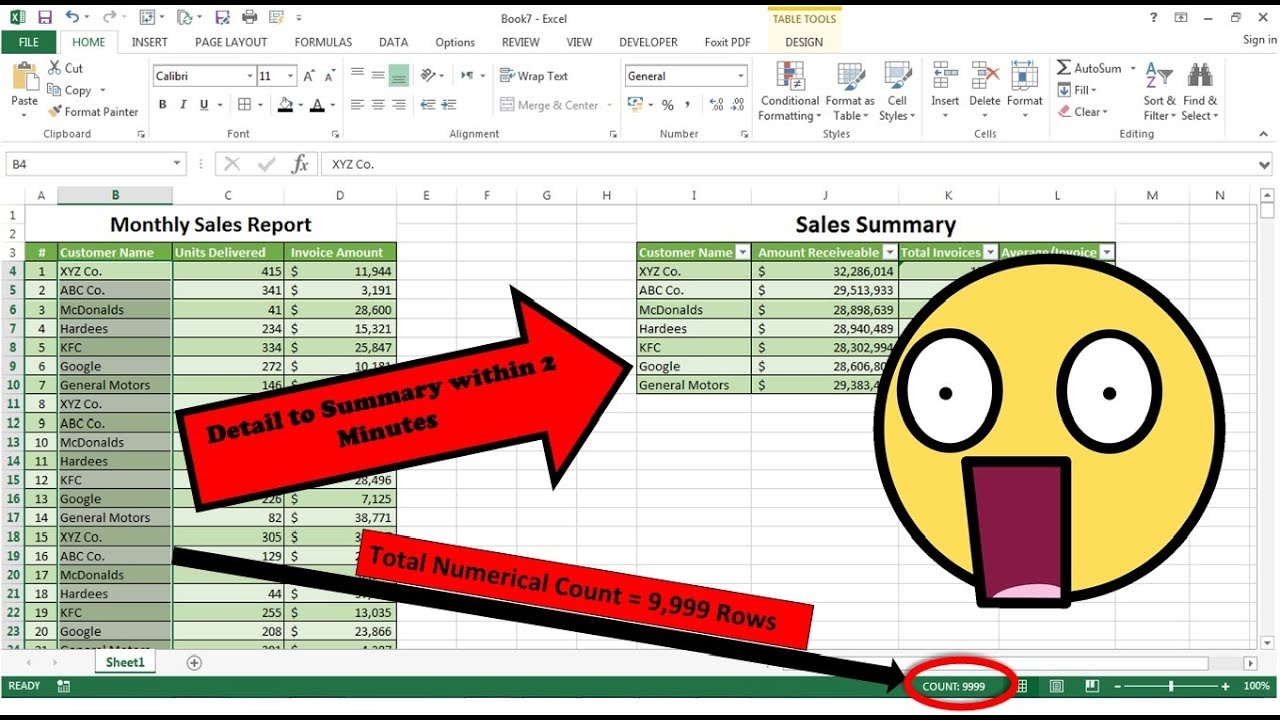
How to make Summary Report in Excel within 2 minutes, How to Summarize

How to Create a Summary Table in Excel (With Example)

How to Summarize Data in Excel (8 Easy Methods) ExcelDemy
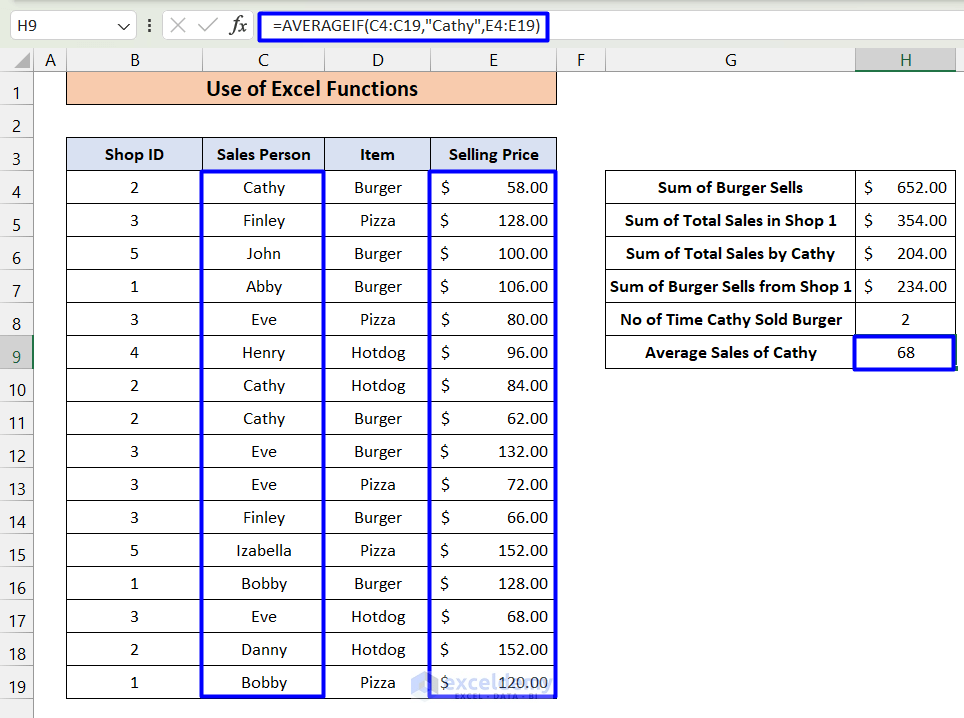
How to Summarize Data in Excel (8 Easy Methods) ExcelDemy

How To Summarize Data in Excel Top 10 Ways
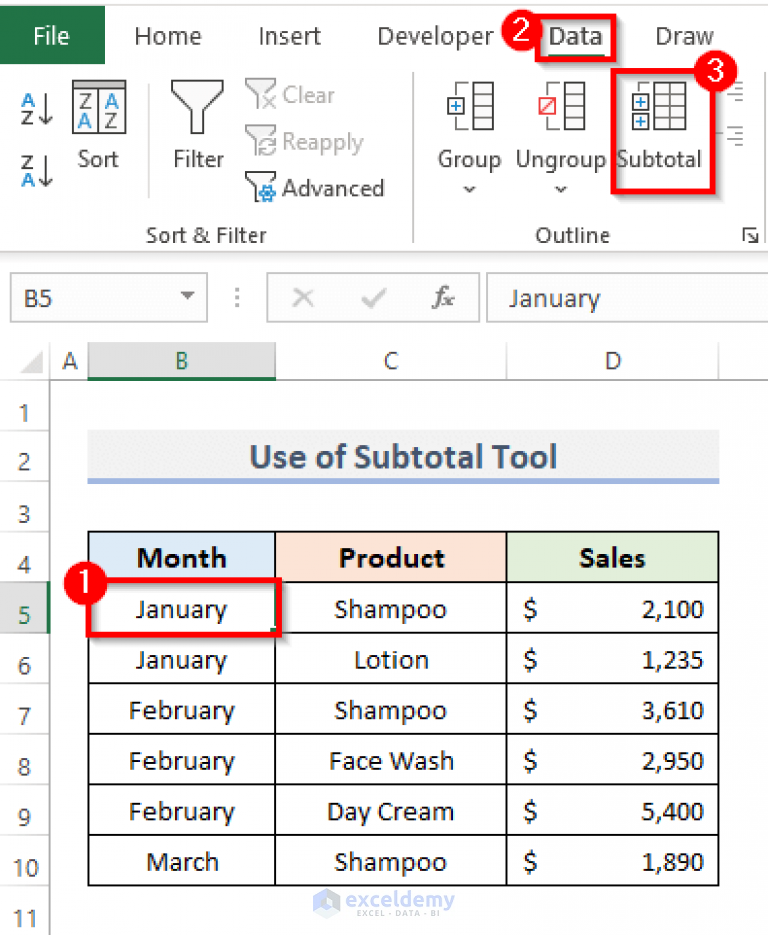
How to Group and Summarize Data in Excel (3 Suitable Ways)

How to Create a Summary Report in Excel Quick & Simple Ways to
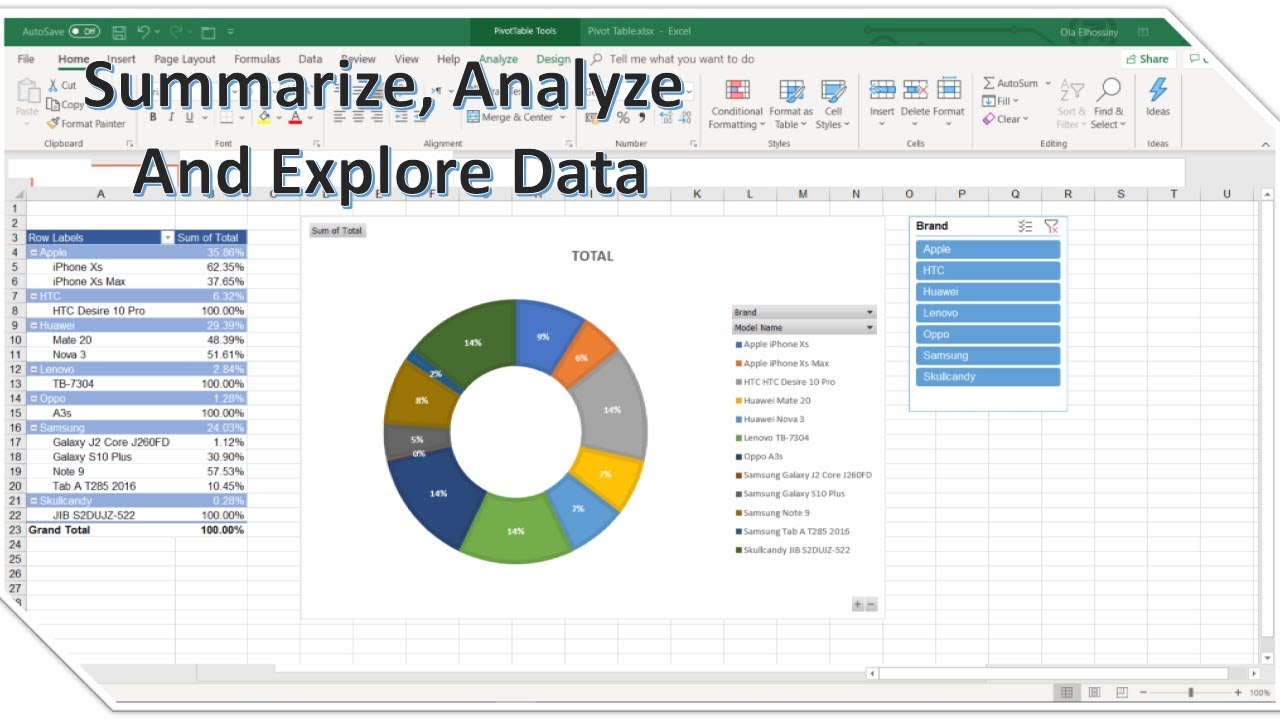
How To Summarize And Analyze Big Data Using Pivot Table In Excel
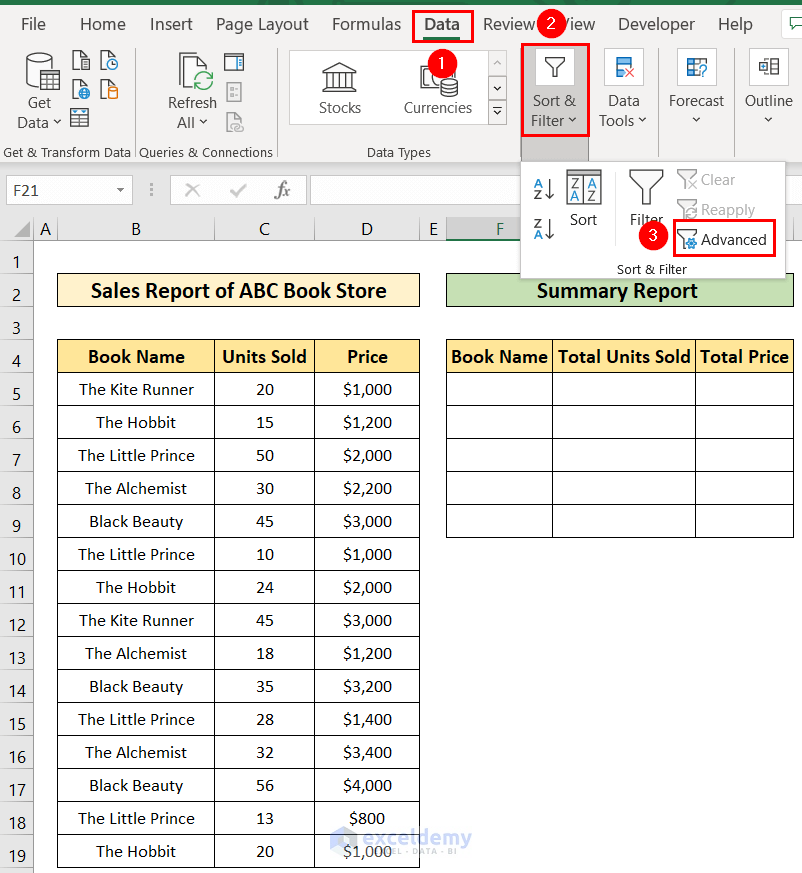
How to Create a Summary Report in Excel 2 Easy Methods ExcelDemy
Related Post: