
Sql Export Table To Excel
Sql Export Table To Excel - Sql> oracle sql allows us to ignore the case of database object names provided we either create them with names all in upper case, or without using double quotes. What is the difference between these two where clauses? I'm trying to run the following fairly simple query in sql server management studio: From tablea this very powerful sql syntax avoids a long list of columns that must be constantly updated due to table column name changes. But i cannot find full download of sql server® 2016 express. Sql query with not like in asked 13 years, 7 months ago modified 2 years, 4 months ago viewed 567k times Select top 1000 * from master.sys.procedures as procs left join master.sys.parameters as params. Microsoft themselves recommend using <> over != specifically for ansi compliance, e.g. Which one i should use on which scenarios? Where if isnumeric(@ordernumber) = 1 ordernumber = @ordernumber else. Select top 1000 * from master.sys.procedures as procs left join master.sys.parameters as params. What is the difference between these two where clauses? Is it possible to use an if clause within a where clause in ms sql? But i cannot find full download of sql server® 2016 express. In sql server 2000 and 2005: Microsoft themselves recommend using <> over != specifically for ansi compliance, e.g. Sql query with not like in asked 13 years, 7 months ago modified 2 years, 4 months ago viewed 567k times What is the difference between these two where clauses? 10 to delete the duplicate rows from the table in sql server, you follow these steps: Find duplicate. Is it possible to use an if clause within a where clause in ms sql? With the query i showed there's literally no other way for the database to produce a result other than scanning every record in. Where if isnumeric(@ordernumber) = 1 ordernumber = @ordernumber else. Select top 1000 * from master.sys.procedures as procs left join master.sys.parameters as params.. Find duplicate rows using group by clause or row_number () function. I'm trying to run the following fairly simple query in sql server management studio: Sql> oracle sql allows us to ignore the case of database object names provided we either create them with names all in upper case, or without using double quotes. Select top 1000 * from master.sys.procedures. From tablea this very powerful sql syntax avoids a long list of columns that must be constantly updated due to table column name changes. Find duplicate rows using group by clause or row_number () function. Which one i should use on which scenarios? With the query i showed there's literally no other way for the database to produce a result. But i cannot find full download of sql server® 2016 express. Which one i should use on which scenarios? Sql> oracle sql allows us to ignore the case of database object names provided we either create them with names all in upper case, or without using double quotes. All previous version of sql server express were available in both web. Microsoft themselves recommend using <> over != specifically for ansi compliance, e.g. What is the difference between these two where clauses? Select top 1000 * from master.sys.procedures as procs left join master.sys.parameters as params. Which one i should use on which scenarios? I'm trying to run the following fairly simple query in sql server management studio: From tablea this very powerful sql syntax avoids a long list of columns that must be constantly updated due to table column name changes. Is it possible to use an if clause within a where clause in ms sql? Sql query with not like in asked 13 years, 7 months ago modified 2 years, 4 months ago viewed 567k times. Which one i should use on which scenarios? Where if isnumeric(@ordernumber) = 1 ordernumber = @ordernumber else. This functionality is missing in the. What is the difference between these two where clauses? All previous version of sql server express were available in both web and full downloads. All previous version of sql server express were available in both web and full downloads. Note this is for sql server but should be similar for mysql. Sql query with not like in asked 13 years, 7 months ago modified 2 years, 4 months ago viewed 567k times Sql> oracle sql allows us to ignore the case of database object.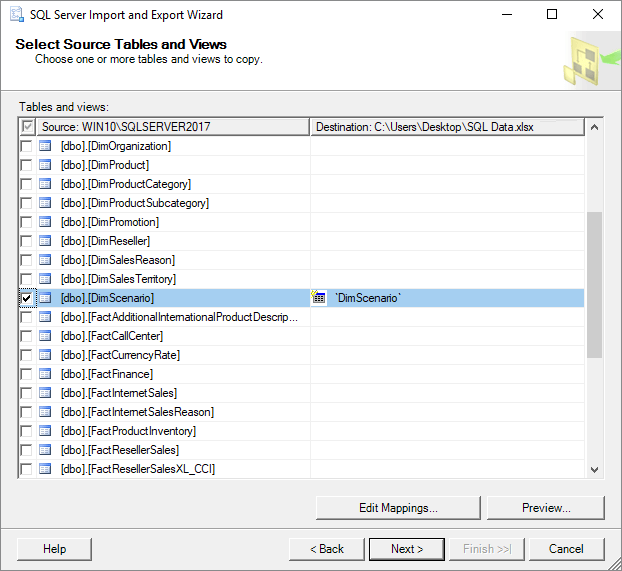
How to Export Data from SQL Server to Excel Automatically EaseUS

How To Export Excel To Sql Table Design Talk
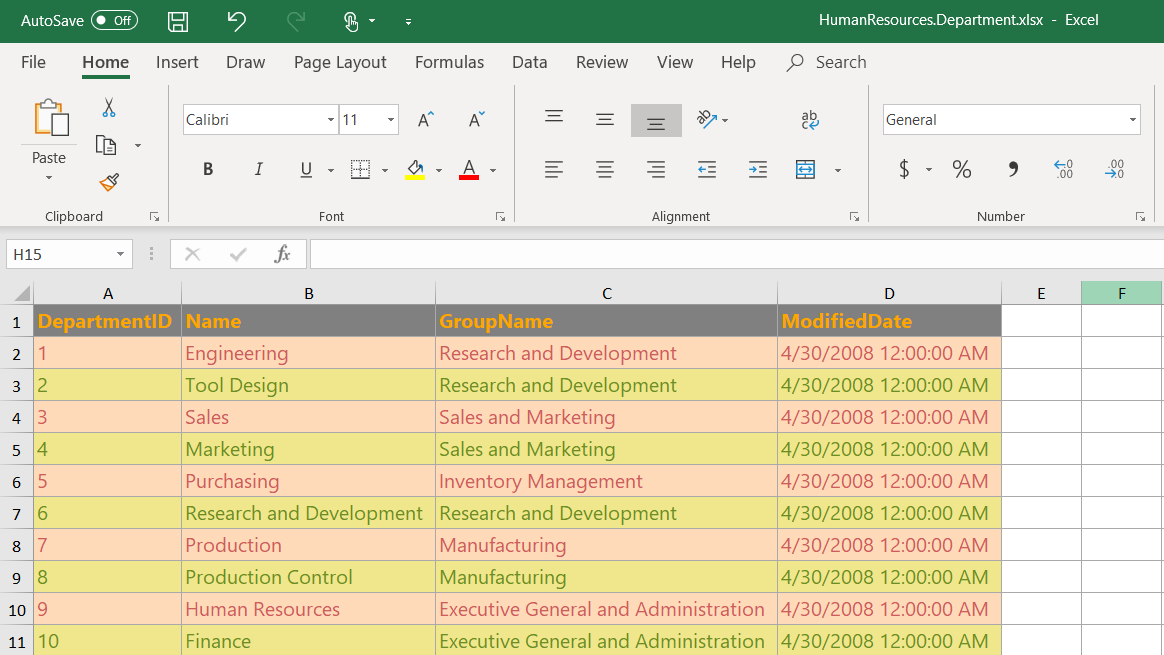
How to export data from SQL database to Excel file format
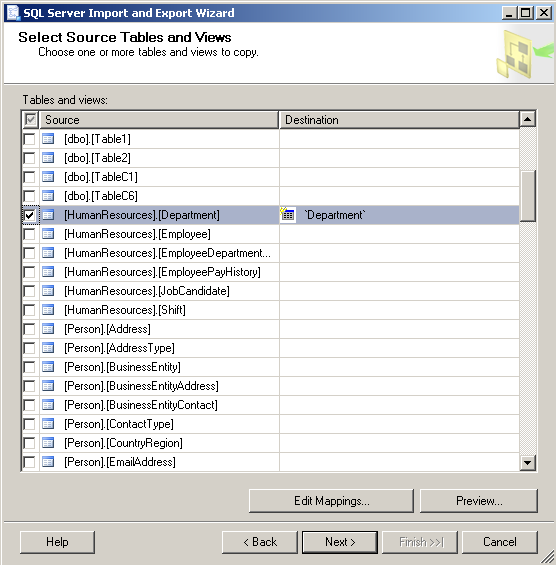
SQL Server Export to Excel using SQL Server Import and Export Wizard

How To Export Table From Ms Sql Server To Excel Design Talk
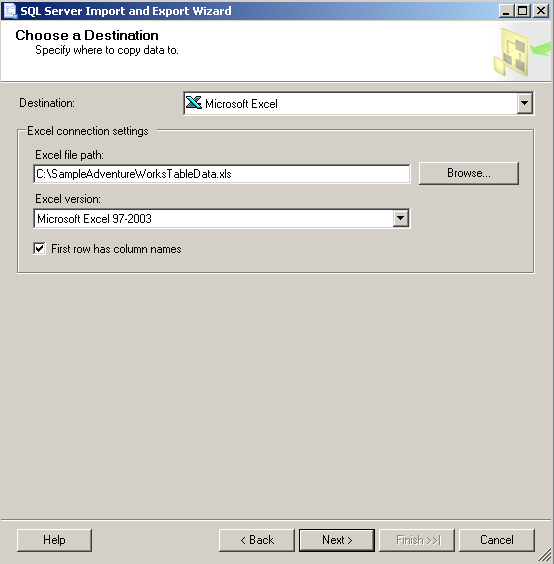
Export Sql Server Tables To Excel
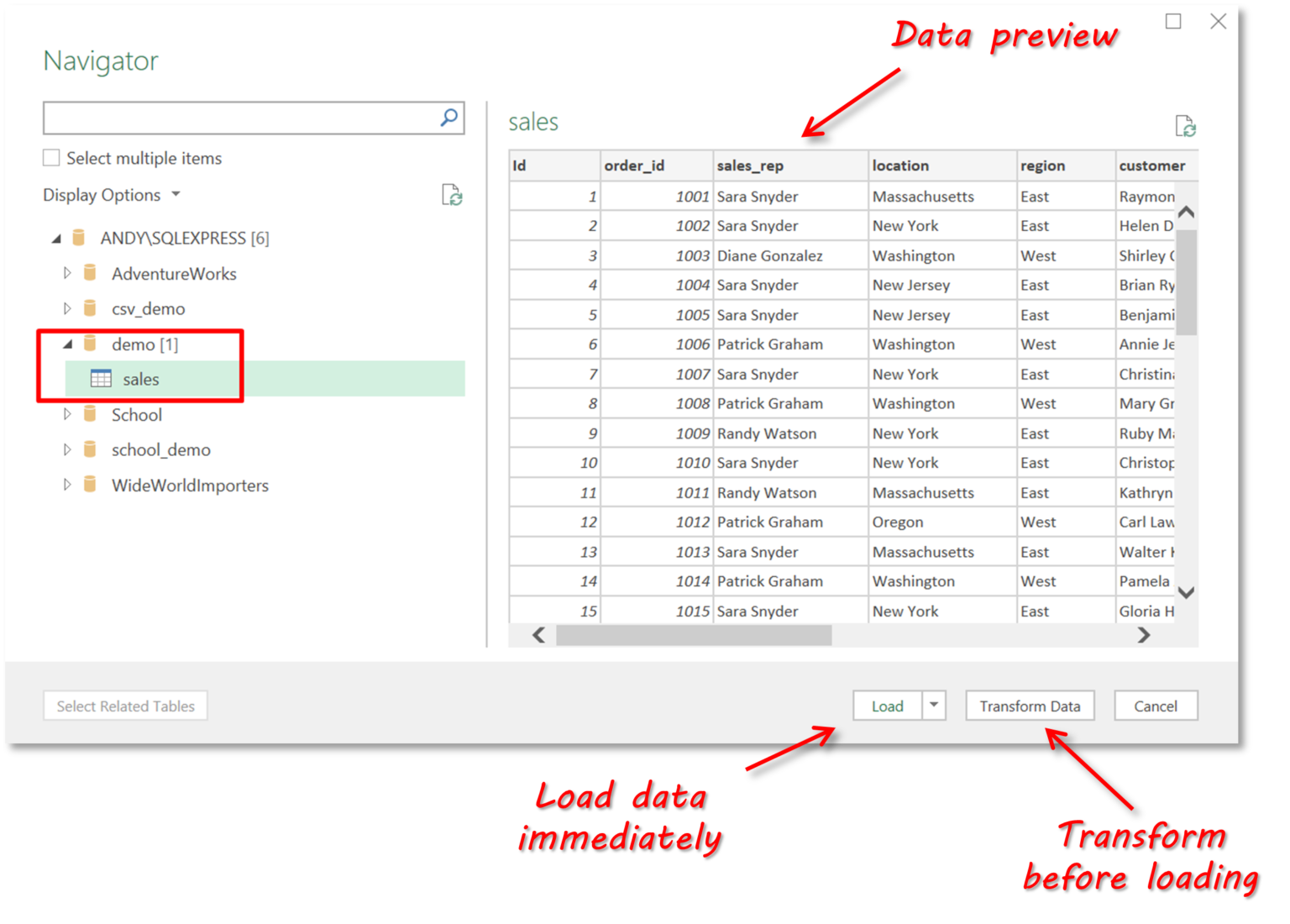
How to Export Data from SQL Server to Excel SQL Spreads
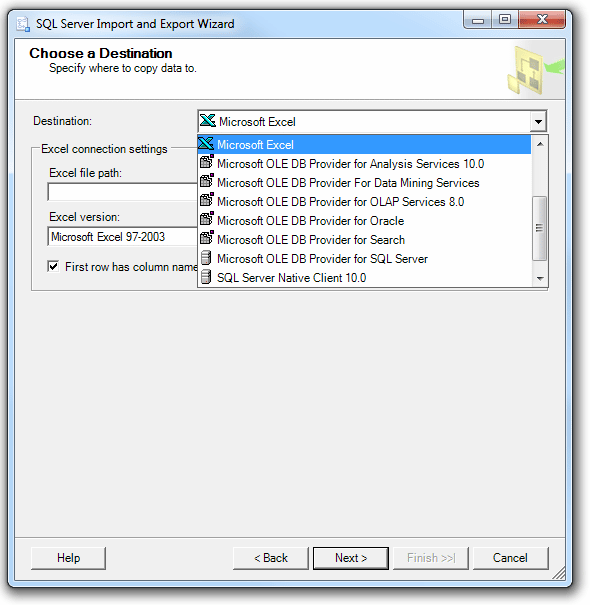
How to export SQL table to Excel SqlBak Blog
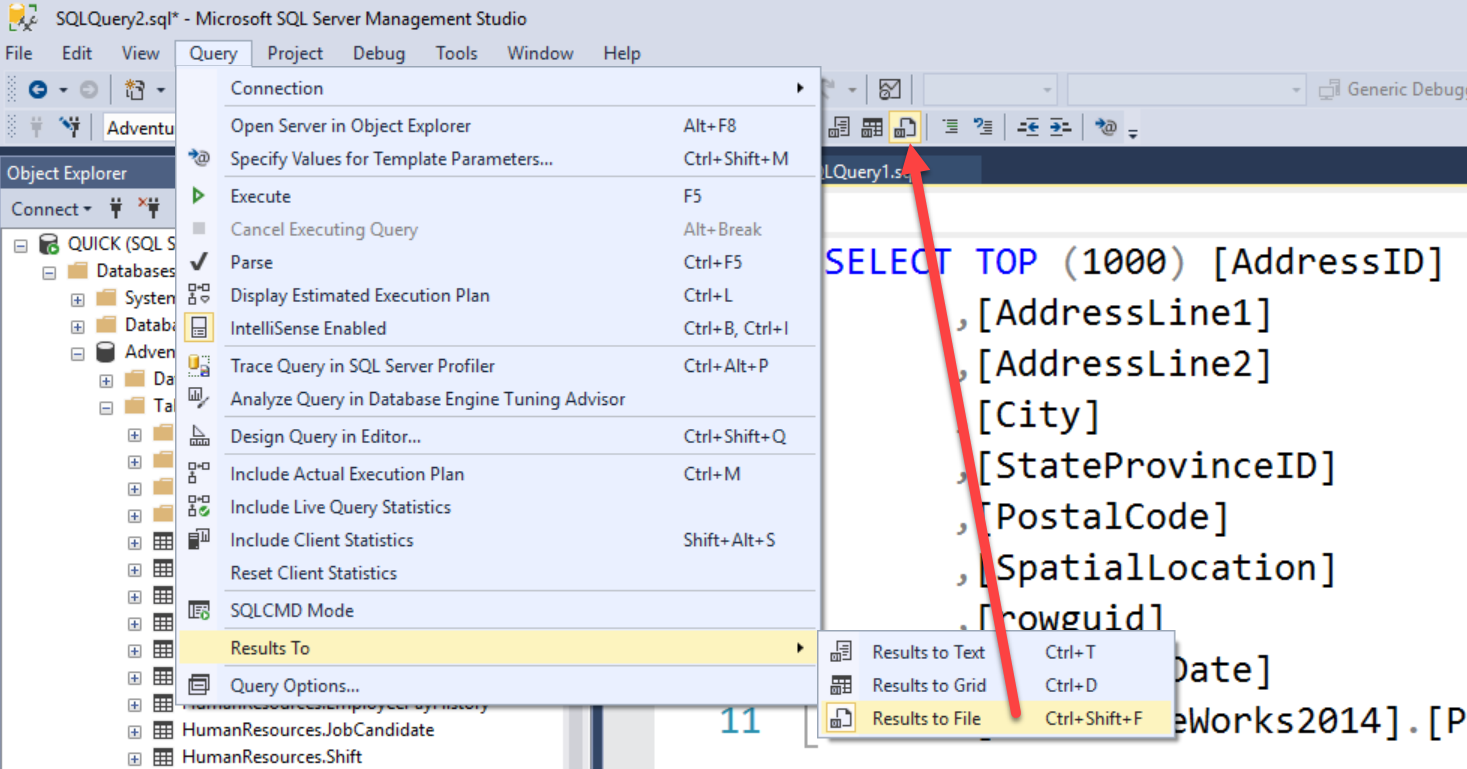
How To Export Excel From Sql Developer Riset
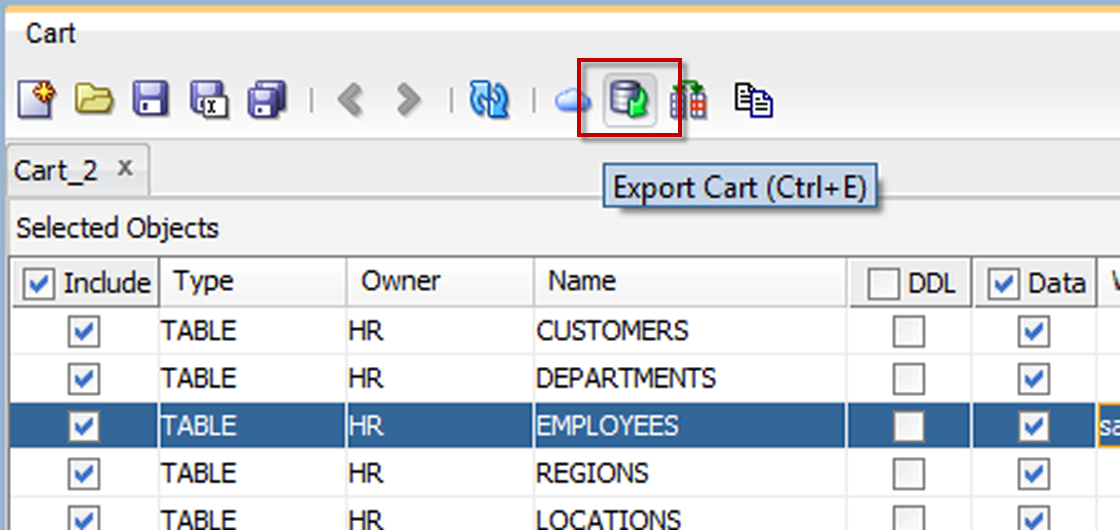
Exporting Multiple Tables To A Single Excel File…Using SQL Developer’s Cart
Related Post: