
Shape Transparency Powerpoint
Shape Transparency Powerpoint - However, most numpy functions that change the dimension or size of an array, however, don't necessarily. X.shape[0] will give the number of rows in an array. For any keras layer (layer class), can someone explain how to understand the difference between input_shape, units, dim, etc.? For example the doc says units specify the. In your case it will give output 10. 10 x[0].shape will give the length of 1st row of an array. So in line with the previous answers, df.shape is good if you need both. In tensorflow v.get_shape().as_list() gives a list of integers of the dimensions of v. If you will type x.shape[1], it will. You can think of a placeholder in tensorflow as an operation specifying the shape and type of data that will be fed into the graph.placeholder x defines that an unspecified number of rows of. X.shape[0] will give the number of rows in an array. So in your case, since the index value of y.shape[0] is 0, your are working along the first dimension of. The actual relation between the two is size = np.prod(shape) so the distinction should. You can think of a placeholder in tensorflow as an operation specifying the shape and type. For example the doc says units specify the. You can think of a placeholder in tensorflow as an operation specifying the shape and type of data that will be fed into the graph.placeholder x defines that an unspecified number of rows of. 10 x[0].shape will give the length of 1st row of an array. Objects cannot be broadcast to a. In your case it will give output 10. In pytorch, v.size() gives a size object, but how do i convert it to ints? For example the doc says units specify the. In tensorflow v.get_shape().as_list() gives a list of integers of the dimensions of v. For any keras layer (layer class), can someone explain how to understand the difference between input_shape,. 10 x[0].shape will give the length of 1st row of an array. You can think of a placeholder in tensorflow as an operation specifying the shape and type of data that will be fed into the graph.placeholder x defines that an unspecified number of rows of. Shape is a tuple that gives you an indication of the number of dimensions. So in line with the previous answers, df.shape is good if you need both. X.shape[0] will give the number of rows in an array. Shape is a tuple that gives you an indication of the number of dimensions in the array. Shape (in the numpy context) seems to me the better option for an argument name. In tensorflow v.get_shape().as_list() gives. For any keras layer (layer class), can someone explain how to understand the difference between input_shape, units, dim, etc.? (r,) and (r,1) just add (useless) parentheses but still express respectively 1d. However, most numpy functions that change the dimension or size of an array, however, don't necessarily. So in line with the previous answers, df.shape is good if you need. If you will type x.shape[1], it will. So in your case, since the index value of y.shape[0] is 0, your are working along the first dimension of. In pytorch, v.size() gives a size object, but how do i convert it to ints? So in line with the previous answers, df.shape is good if you need both. Currently, shape type information. Currently, shape type information is reflected in ndarray.shape. You can think of a placeholder in tensorflow as an operation specifying the shape and type of data that will be fed into the graph.placeholder x defines that an unspecified number of rows of. Shape (in the numpy context) seems to me the better option for an argument name. In your case. In pytorch, v.size() gives a size object, but how do i convert it to ints? So in line with the previous answers, df.shape is good if you need both. Shape is a tuple that gives you an indication of the number of dimensions in the array. However, most numpy functions that change the dimension or size of an array, however,. X.shape[0] will give the number of rows in an array. However, most numpy functions that change the dimension or size of an array, however, don't necessarily. You can think of a placeholder in tensorflow as an operation specifying the shape and type of data that will be fed into the graph.placeholder x defines that an unspecified number of rows of..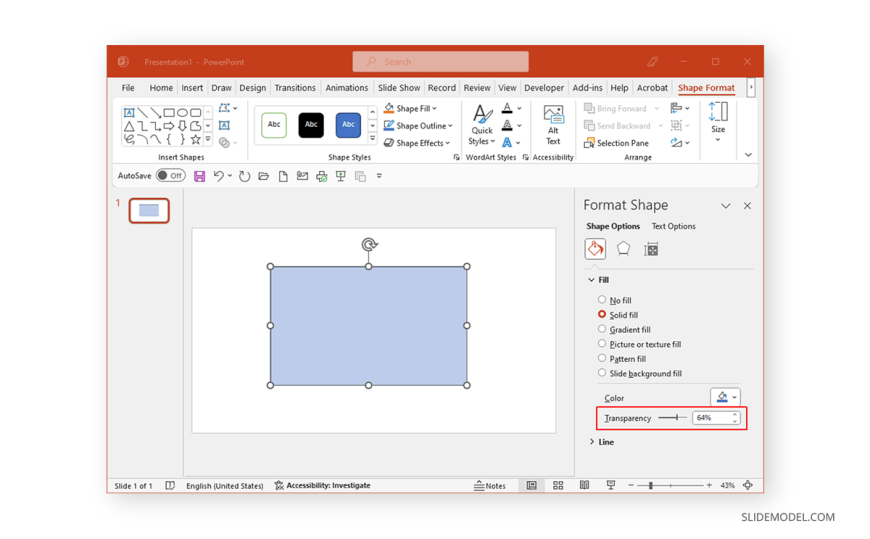
04addingtransparencyeffecttoshapeinpowerpoint SlideModel
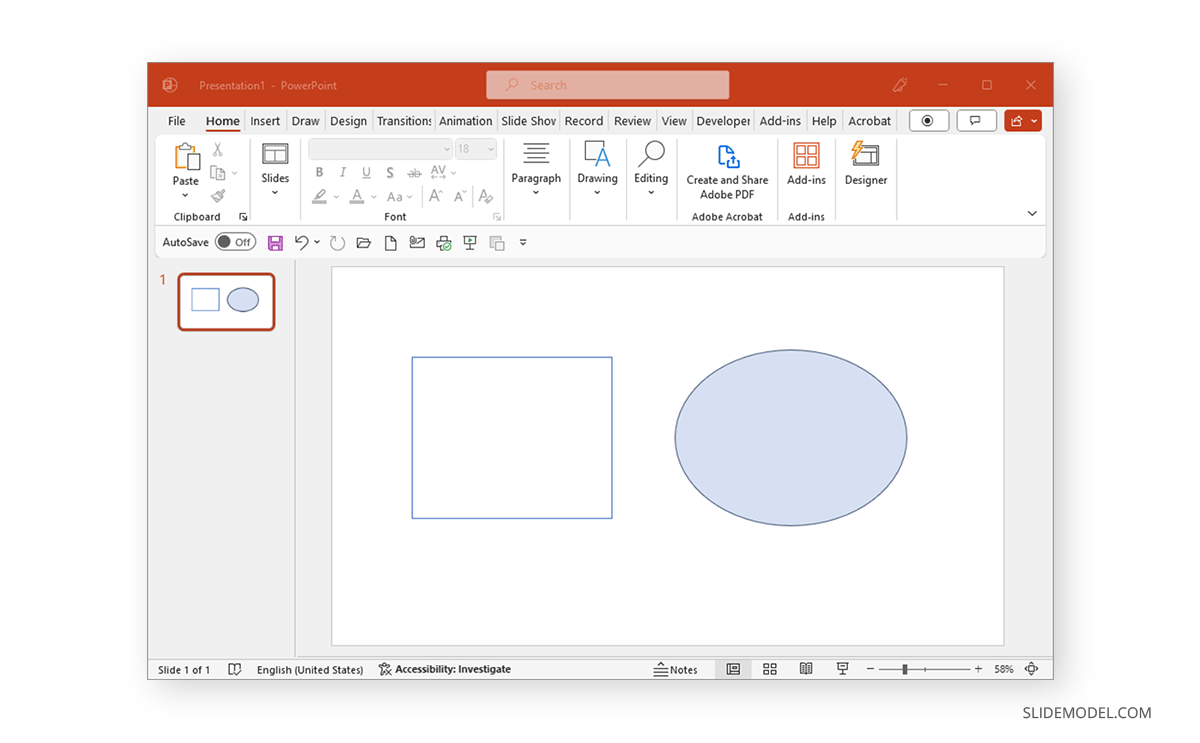
How to Make a Shape Transparent in PowerPoint

How to Make a Shape Transparent in PowerPoint
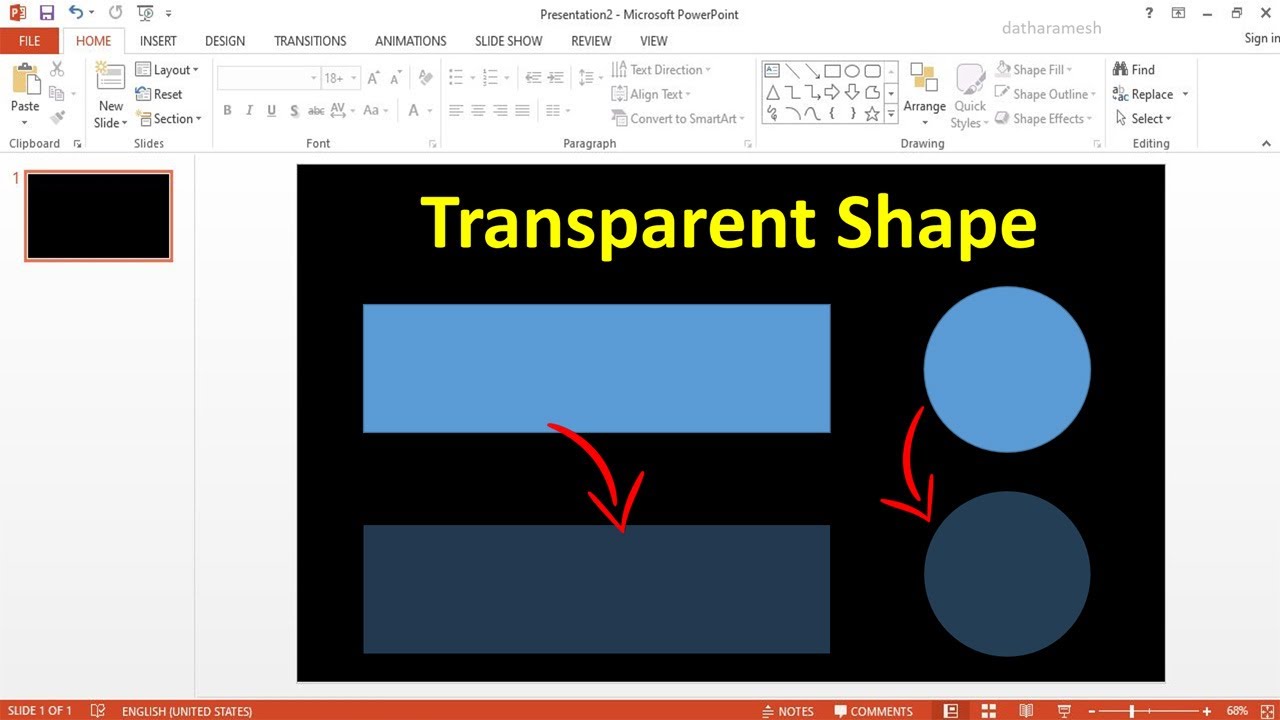
How to Make Shape Transparent In PowerPoint YouTube
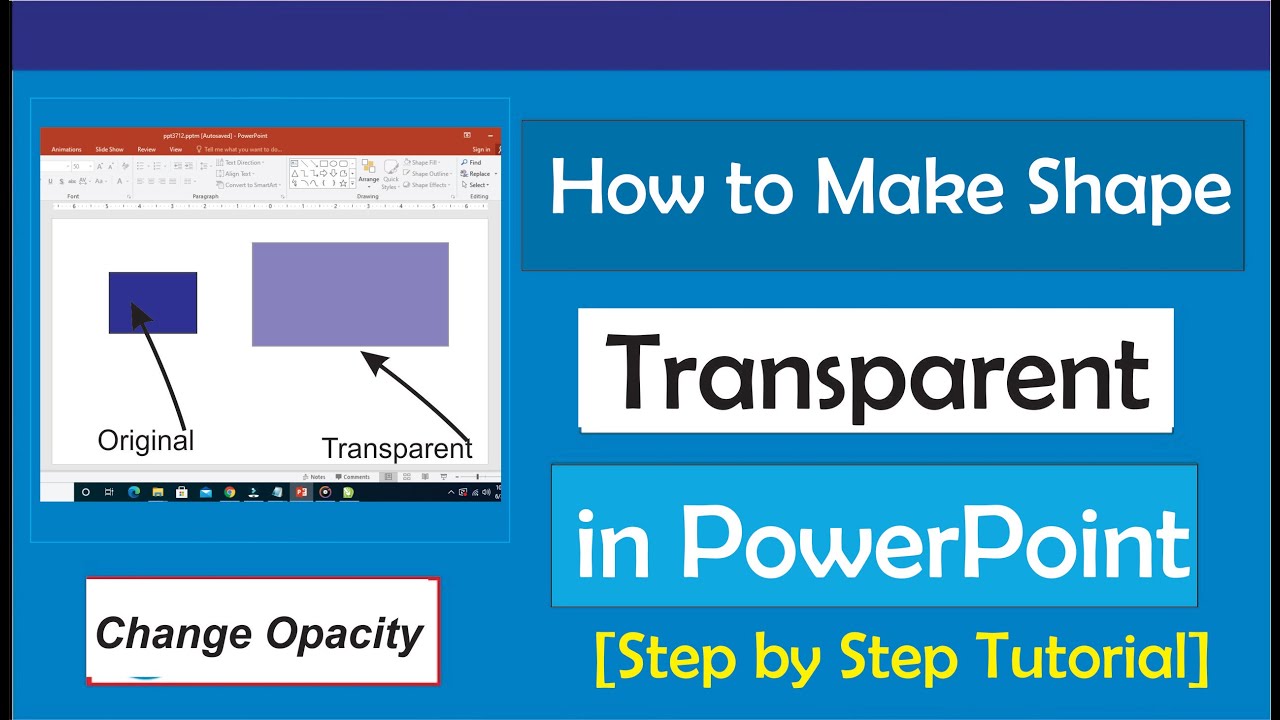
How to Make a Shape Transparent in PowerPoint YouTube
:max_bytes(150000):strip_icc()/001_make-shape-transparent-in-powerpoint-5211795-1ab6a390a0a746fe849e3ca3f3e8e0e9.jpg)
How to Make a Shape Transparent in PowerPoint
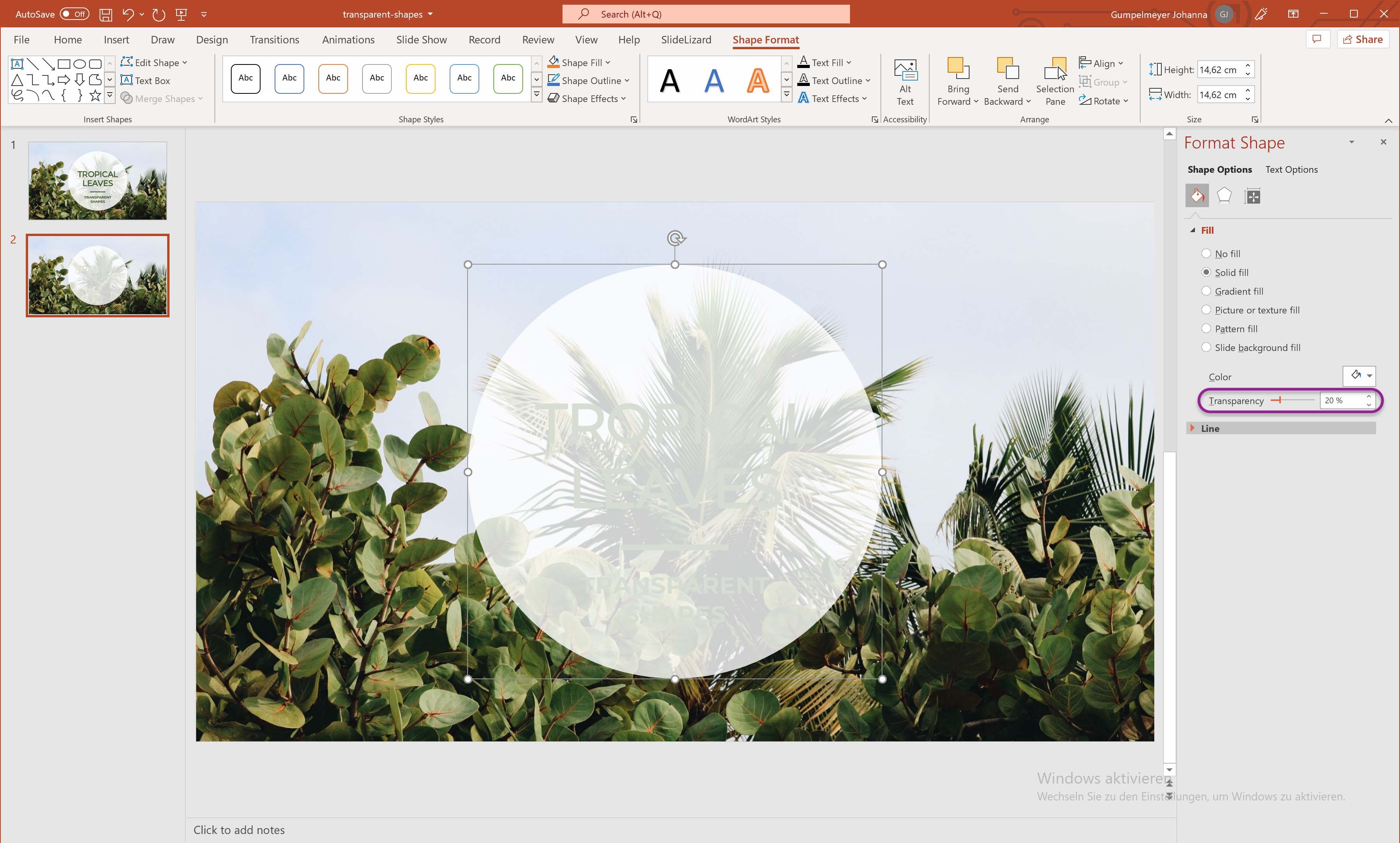
How To Change The Shape Of A Picture In Powerpoint

How to Make a Shape Transparent in PowerPoint
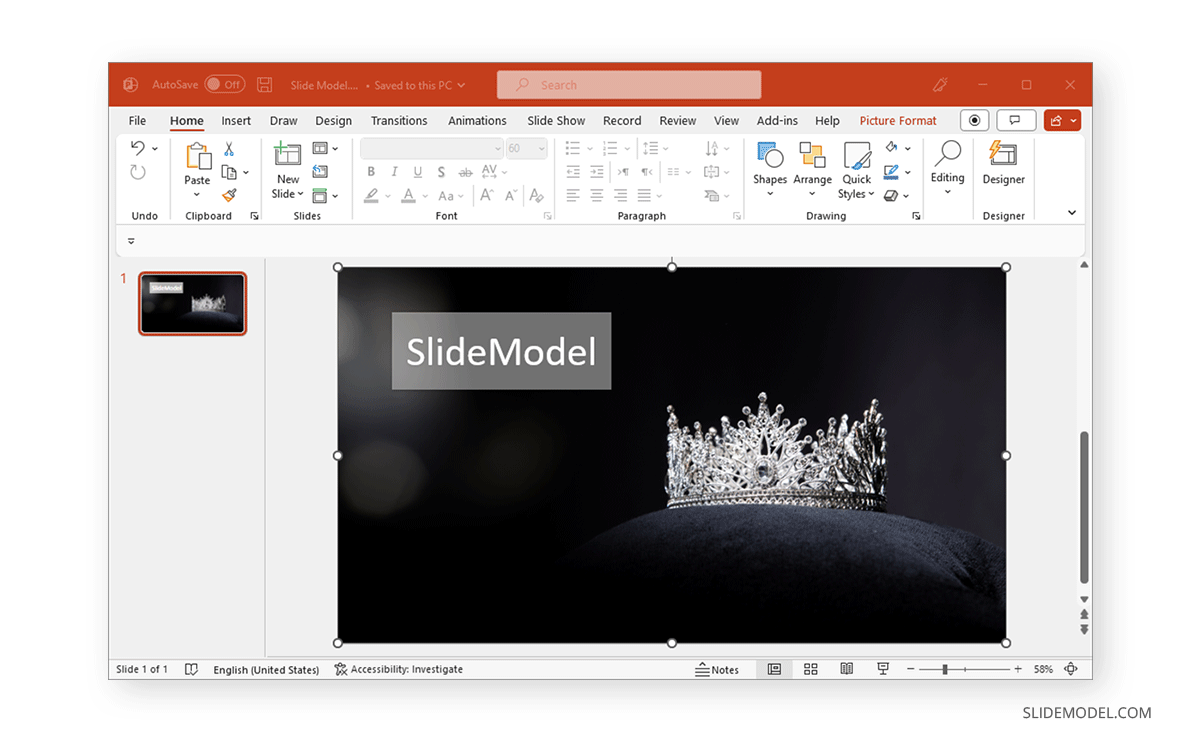
How to Make a Picture Transparent in PowerPoint

How to Make a Shape Transparent in PowerPoint YouTube
Related Post: