
Regex In Excel
Regex In Excel - By putting ^ at the beginning of your regex and $ at the end, you ensure that no other characters are allowed before or after your regex. Parentheses in regular expressions define groups, which is why you need to escape the parentheses to match the literal characters. In case it is js it indicates the start and end of the regex, like quotes for strings. For example, what is its significance in this expression: Yes, the $ in this regular expression means the end of string. In regex in general, ^ is negation only at the beginning of a character class. Unless cmake is doing something really funky (to the point where calling their pattern matching language. It's just that i'm a bit confused about why the first question mark and colon are there. \s* any number of whitespace characters a comma \s* any number of whitespace characters which will split on commas and consume any spaces either side Be aware that the first ^ in this answer gives the regex a completely different meaning: May i know what ?= means in a regular expression? For example, what is its significance in this expression: In regex in general, ^ is negation only at the beginning of a character class. In case it is js it indicates the start and end of the regex, like quotes for strings. In those languages, you can. The regex compiles fine, and there are already junit tests that show how it works. In those languages, you can. Be aware that the first ^ in this answer gives the regex a completely different meaning: Unless cmake is doing something really funky (to the point where calling their pattern matching language. For example, what is its significance in this. In case it is js it indicates the start and end of the regex, like quotes for strings. ($|\/) means end of string or '/'. So to modify the groups just remove all of the. It makes the regular expression look only for matches starting from the beginning of the string. Be aware that the first ^ in this answer. Be aware that the first ^ in this answer gives the regex a completely different meaning: It makes the regular expression look only for matches starting from the beginning of the string. Javascript and vbscript do not have an option to make the dot match line break characters. Unless cmake is doing something really funky (to the point where calling. The regex compiles fine, and there are already junit tests that show how it works. By putting ^ at the beginning of your regex and $ at the end, you ensure that no other characters are allowed before or after your regex. It's just that i'm a bit confused about why the first question mark and colon are there. In. For example, what is its significance in this expression: In those languages, you can. Be aware that the first ^ in this answer gives the regex a completely different meaning: Yes, the $ in this regular expression means the end of string. Parentheses in regular expressions define groups, which is why you need to escape the parentheses to match the. ($|\/) means end of string or '/'. It's just that i'm a bit confused about why the first question mark and colon are there. The regex compiles fine, and there are already junit tests that show how it works. Unless cmake is doing something really funky (to the point where calling their pattern matching language. Yes, the $ in this. In case it is js it indicates the start and end of the regex, like quotes for strings. In terms of string matching, this. In those languages, you can. Parentheses in regular expressions define groups, which is why you need to escape the parentheses to match the literal characters. It's just that i'm a bit confused about why the first. Yes, the $ in this regular expression means the end of string. In case it is js it indicates the start and end of the regex, like quotes for strings. ($|\/) means end of string or '/'. In those languages, you can. \s* any number of whitespace characters a comma \s* any number of whitespace characters which will split on. ($|\/) means end of string or '/'. It's just that i'm a bit confused about why the first question mark and colon are there. The regex compiles fine, and there are already junit tests that show how it works. Parentheses in regular expressions define groups, which is why you need to escape the parentheses to match the literal characters. For.
Simplify Data Analysis with Regex in Excel 1 Cheat Sheet for Excel
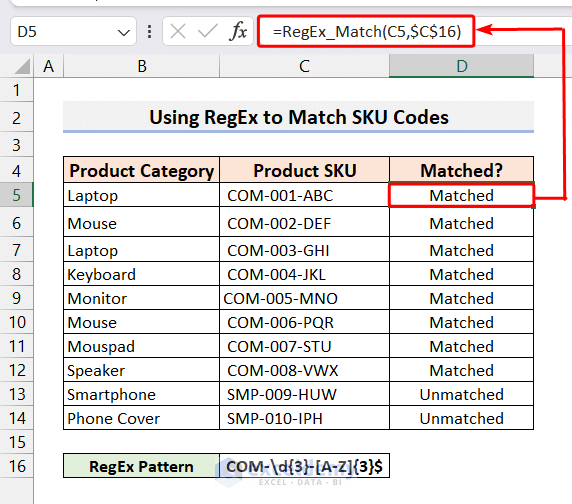
RegEx in Excel (For Matching, Extracting and Replacing)
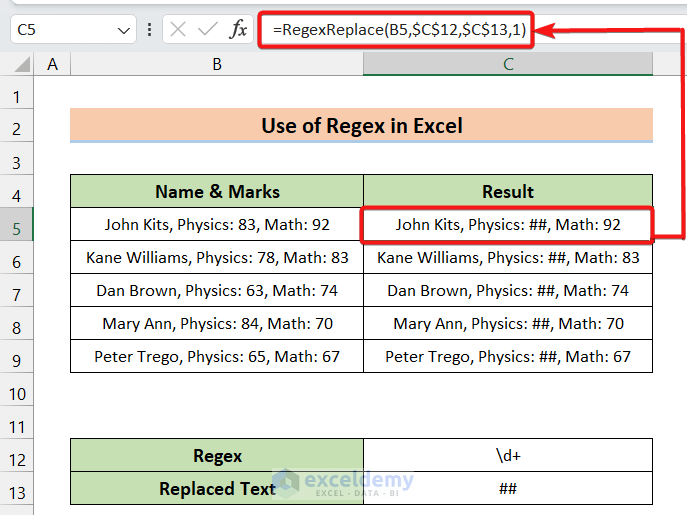
How to Find & Replace Text Using Regex in Excel ExcelDemy

How to Find & Replace Text Using Regex in Excel ExcelDemy

Regular Expressions in Excel Exceljet
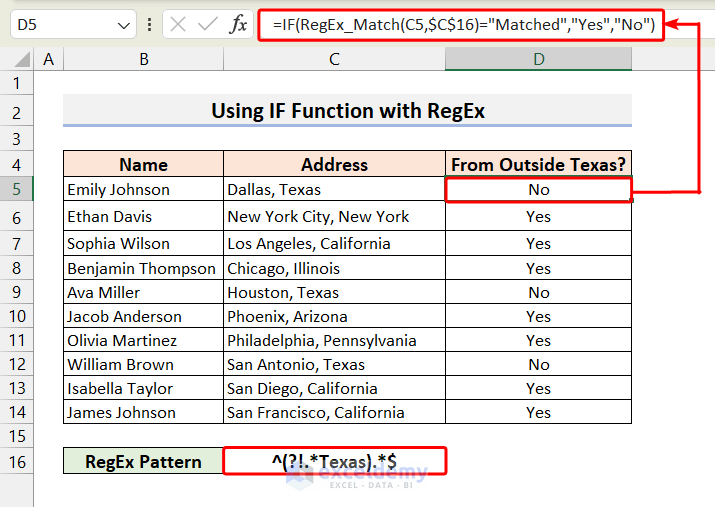
RegEx in Excel (For Matching, Extracting and Replacing)
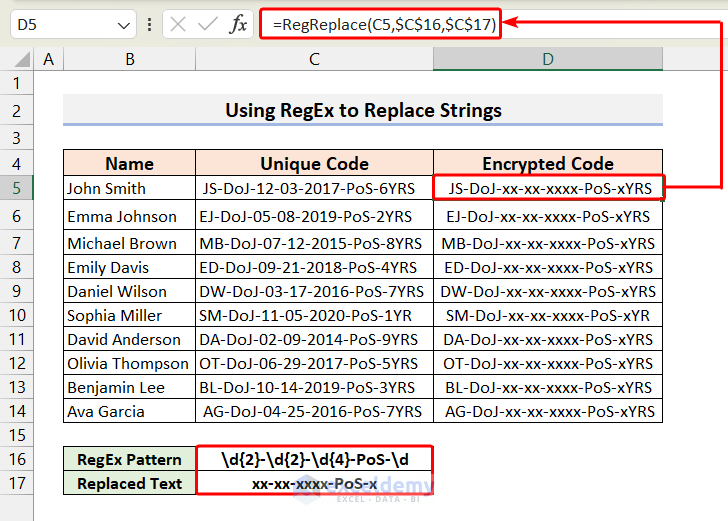
RegEx in Excel (For Matching, Extracting and Replacing)
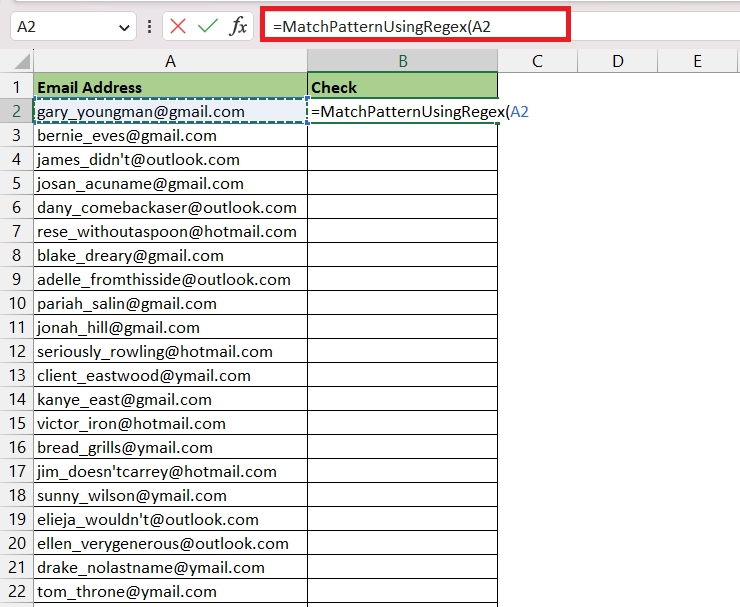
Simplify Data Analysis with Regex in Excel
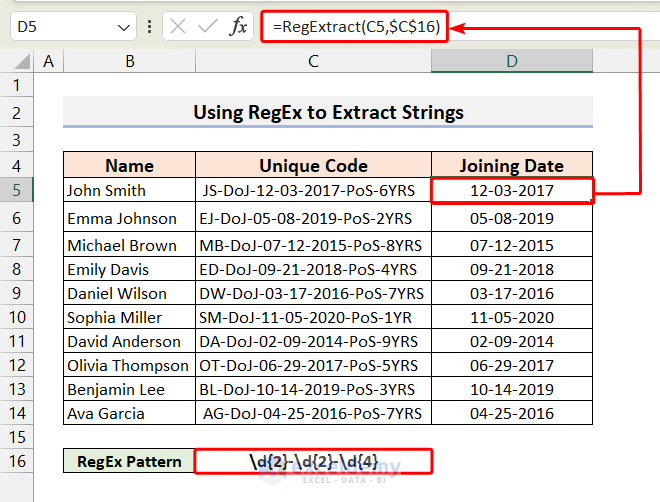
RegEx in Excel (For Matching, Extracting and Replacing)

REGEX Functions in Excel (10 Examples)
Related Post: