
Pareto Chart Using Excel
Pareto Chart Using Excel - What does pareto mean in the world of analytics and optimization, the term pareto holds significant importance, particularly in the realm of data analysis and decision. The pareto principle is the idea that, for many things, roughly 80% of the results come from 20% of the inputs. The pareto principle, commonly referred to as the 80/20 rule, suggests that 80% of results/outcomes will result from 20% of the actions/inputs that can be associated with it. A pareto chart is a bar graph. The lengths of the bars represent frequency or cost (time or money), and are arranged with longest bars on the left and the shortest to the right. Named after italian economist vilfredo pareto, who observed in 1896 that 80% of italy’s land belonged to just 20% of the population, this principle has become one of the most. The pareto principle, also known as the 80/20 rule, states that approximately 80% of the effects come from 20% of the causes, highlighting the unequal distribution of inputs and. Pareto’s first statement of this rule was based on the discovery that throughout history 80% of the wealth in. Pareto analysis is based on the 80/20 rule, which states that 80% of any outcome, good or bad, can be traced to 20% of its causes. What is the pareto principle? What does pareto mean in the world of analytics and optimization, the term pareto holds significant importance, particularly in the realm of data analysis and decision. The pareto principle, commonly referred to as the 80/20 rule, suggests that 80% of results/outcomes will result from 20% of the actions/inputs that can be associated with it. Pareto analysis is based on the. A pareto chart is a bar graph. The pareto principle, also known as the 80/20 rule, states that approximately 80% of the effects come from 20% of the causes, highlighting the unequal distribution of inputs and. What is the pareto principle? Pareto analysis is based on the 80/20 rule, which states that 80% of any outcome, good or bad, can. The pareto principle is the idea that, for many things, roughly 80% of the results come from 20% of the inputs. The pareto principle, commonly referred to as the 80/20 rule, suggests that 80% of results/outcomes will result from 20% of the actions/inputs that can be associated with it. What does pareto mean in the world of analytics and optimization,. What does pareto mean in the world of analytics and optimization, the term pareto holds significant importance, particularly in the realm of data analysis and decision. The lengths of the bars represent frequency or cost (time or money), and are arranged with longest bars on the left and the shortest to the right. The pareto principle, commonly referred to as. Pareto’s first statement of this rule was based on the discovery that throughout history 80% of the wealth in. Named after italian economist vilfredo pareto, who observed in 1896 that 80% of italy’s land belonged to just 20% of the population, this principle has become one of the most. What does pareto mean in the world of analytics and optimization,. The pareto principle, also known as the 80/20 rule, states that approximately 80% of the effects come from 20% of the causes, highlighting the unequal distribution of inputs and. The pareto principle, commonly referred to as the 80/20 rule, suggests that 80% of results/outcomes will result from 20% of the actions/inputs that can be associated with it. Pareto analysis is. A pareto chart is a bar graph. Named after italian economist vilfredo pareto, who observed in 1896 that 80% of italy’s land belonged to just 20% of the population, this principle has become one of the most. Pareto analysis is based on the 80/20 rule, which states that 80% of any outcome, good or bad, can be traced to 20%. The pareto principle is the idea that, for many things, roughly 80% of the results come from 20% of the inputs. Pareto’s first statement of this rule was based on the discovery that throughout history 80% of the wealth in. What does pareto mean in the world of analytics and optimization, the term pareto holds significant importance, particularly in the. Pareto’s first statement of this rule was based on the discovery that throughout history 80% of the wealth in. This is why the pareto principle is also known as. Named after italian economist vilfredo pareto, who observed in 1896 that 80% of italy’s land belonged to just 20% of the population, this principle has become one of the most. The. The pareto principle, also known as the 80/20 rule, states that approximately 80% of the effects come from 20% of the causes, highlighting the unequal distribution of inputs and. The pareto principle, commonly referred to as the 80/20 rule, suggests that 80% of results/outcomes will result from 20% of the actions/inputs that can be associated with it. Pareto’s first statement.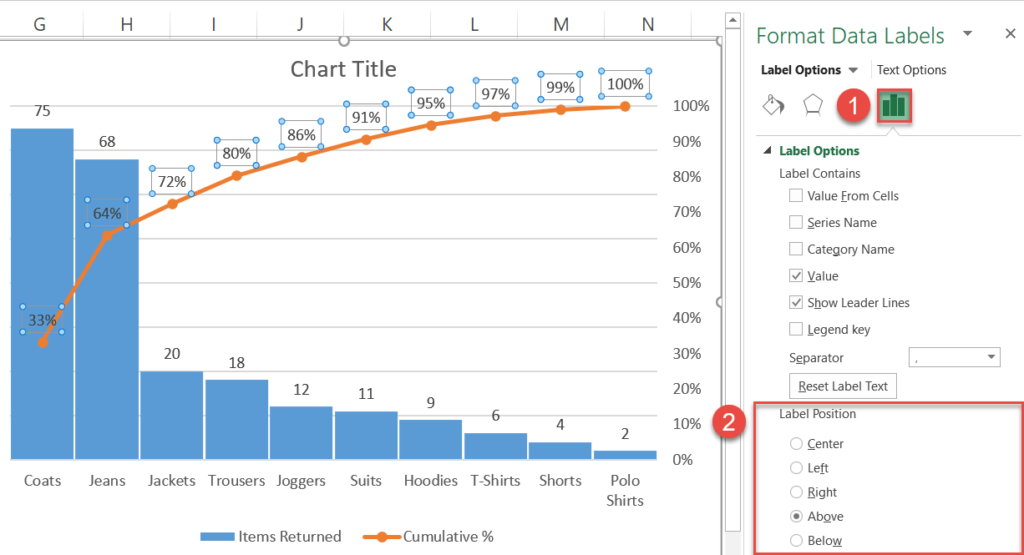
How to Create a Pareto Chart in Excel Automate Excel

Pareto chart in Excel how to create it
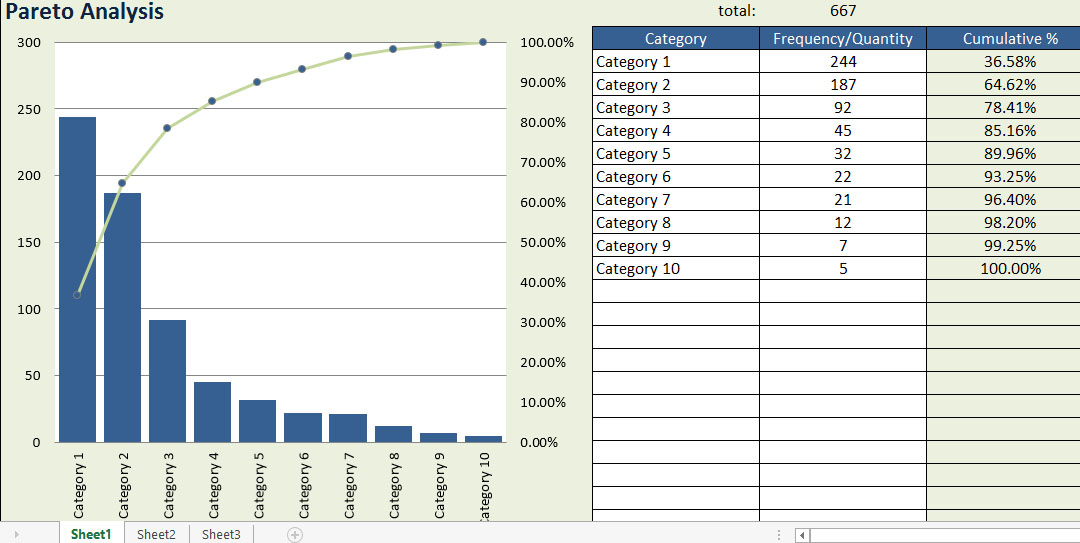
Excel Chart Pareto Master Data Visualization Techniques Daily Excel Tips
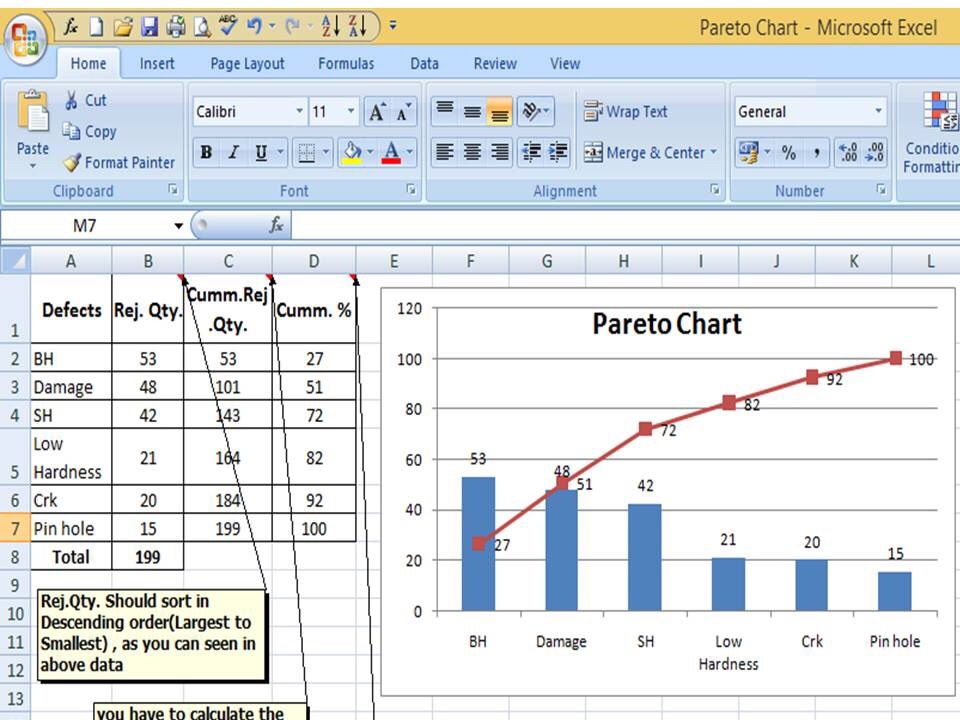
How to Plot Pareto Chart in Excel Example Download format
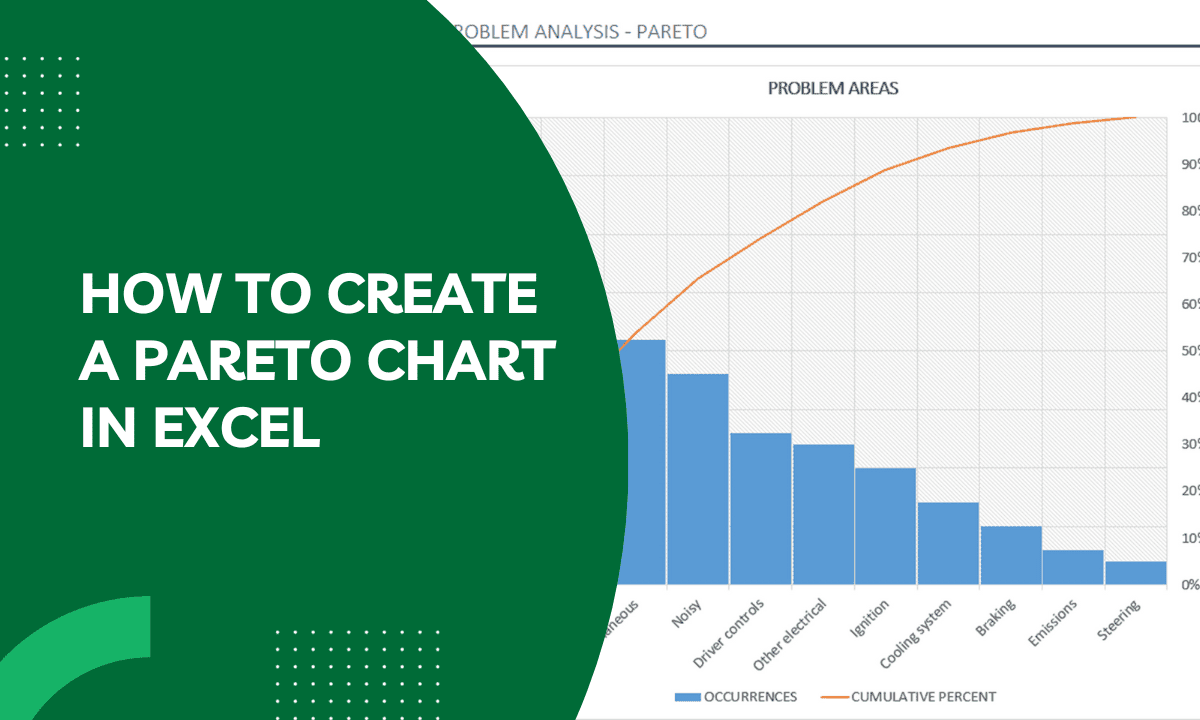
How to Create a Pareto Chart in Excel A StepbyStep Guide Earn and
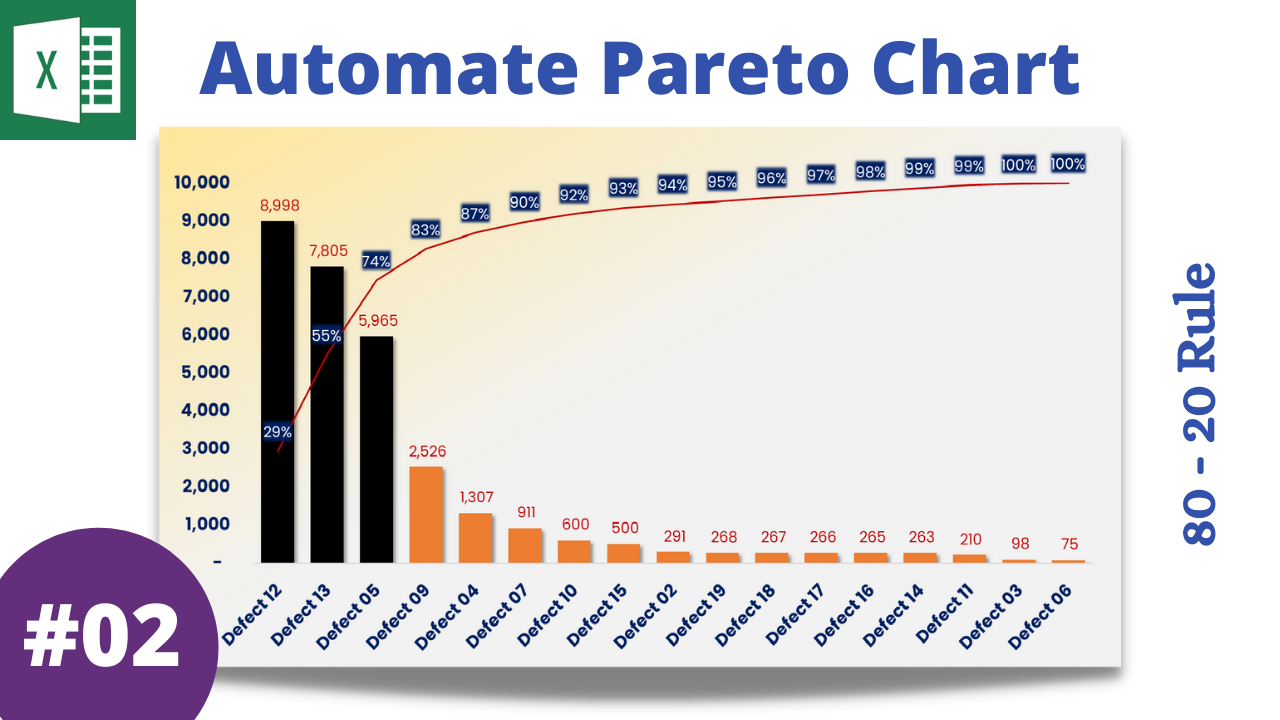
Pareto Chart in Excel Lean Excel Solutions
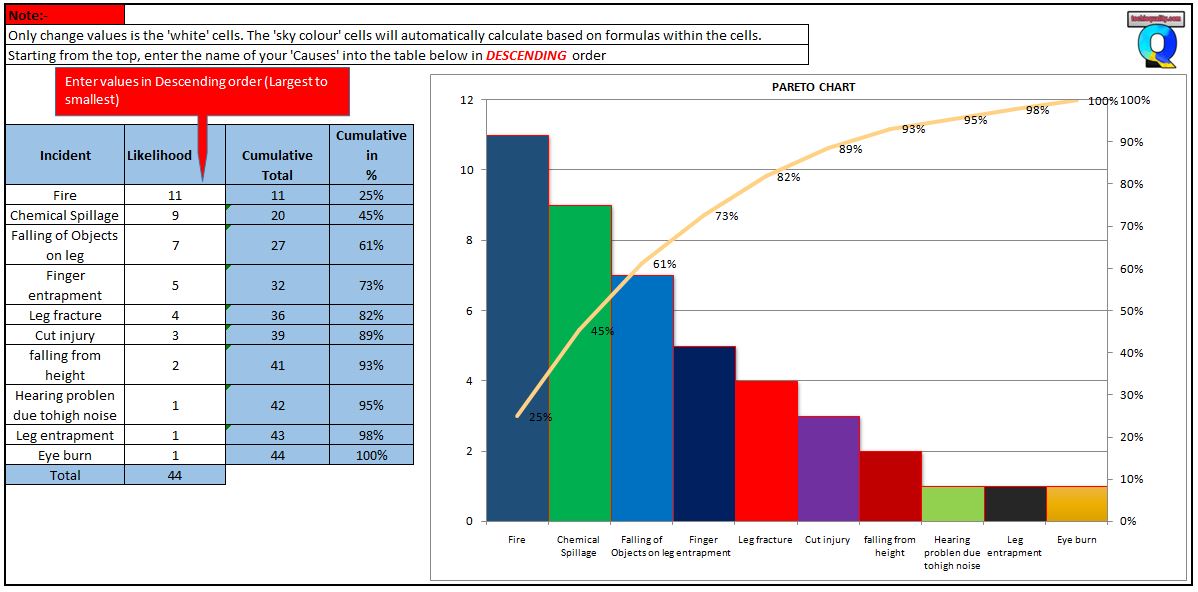
How to Plot Pareto Chart in Excel ( with example), illustration

Pareto Chart Template A Comprehensive Guide To Pareto Charts In Six

Pareto Chart Excel Template Pareto Chart
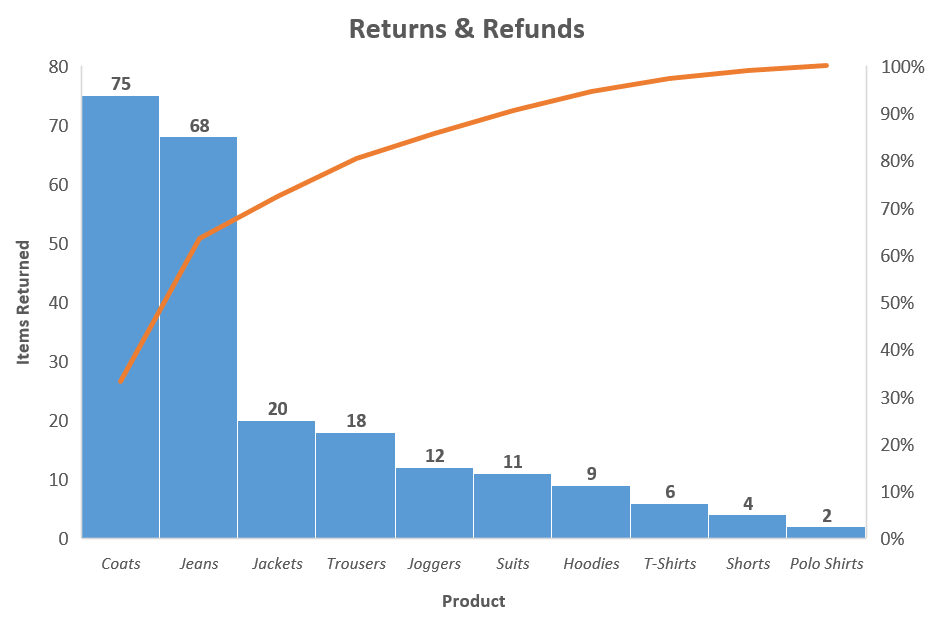
How to Create a Pareto Chart in Excel Automate Excel
Related Post: