
Integral On Excel
Integral On Excel - @user599310, i am going to attempt some pseudo math to show it: 45 i'm looking for definite integrals that are solvable using the method of differentiation under the integral sign (also called the feynman trick) in order to practice using. In particular, i would like to understand how the following equations are I've been learning the fundamental theorem of calculus. So, i can intuitively grasp that the derivative of the integral of a given function brings you back to that function. These are actually defined by a normal integral (such as a riemann integral), but path. In calculus we've been introduced first with indefinite integral, then with the definite one. There are two rules from differentiation that result in products of things: Then we've been introduced with the concept of double (definite) integral and multiple (definite) integ. If by integral you mean the cumulative distribution function $\phi (x)$ mentioned in the comments by the op, then your assertion is incorrect. Then we've been introduced with the concept of double (definite) integral and multiple (definite) integ. So, i can intuitively grasp that the derivative of the integral of a given function brings you back to that function. Remember that integration is basically undoing differentiation. A different type of integral, if you want to call it an integral, is a path integral.. These are actually defined by a normal integral (such as a riemann integral), but path. So, i can intuitively grasp that the derivative of the integral of a given function brings you back to that function. Then we've been introduced with the concept of double (definite) integral and multiple (definite) integ. In calculus we've been introduced first with indefinite integral,. Then we've been introduced with the concept of double (definite) integral and multiple (definite) integ. Remember that integration is basically undoing differentiation. @user599310, i am going to attempt some pseudo math to show it: These are actually defined by a normal integral (such as a riemann integral), but path. The chain rule and the product rule. So, i can intuitively grasp that the derivative of the integral of a given function brings you back to that function. Remember that integration is basically undoing differentiation. In calculus we've been introduced first with indefinite integral, then with the definite one. The chain rule and the product rule. 45 i'm looking for definite integrals that are solvable using the. So, i can intuitively grasp that the derivative of the integral of a given function brings you back to that function. In calculus we've been introduced first with indefinite integral, then with the definite one. If by integral you mean the cumulative distribution function $\phi (x)$ mentioned in the comments by the op, then your assertion is incorrect. The chain. Remember that integration is basically undoing differentiation. In particular, i would like to understand how the following equations are In calculus we've been introduced first with indefinite integral, then with the definite one. 45 i'm looking for definite integrals that are solvable using the method of differentiation under the integral sign (also called the feynman trick) in order to practice. If by integral you mean the cumulative distribution function $\phi (x)$ mentioned in the comments by the op, then your assertion is incorrect. Remember that integration is basically undoing differentiation. I've been learning the fundamental theorem of calculus. @user599310, i am going to attempt some pseudo math to show it: There are two rules from differentiation that result in products. If by integral you mean the cumulative distribution function $\phi (x)$ mentioned in the comments by the op, then your assertion is incorrect. The chain rule and the product rule. There are two rules from differentiation that result in products of things: These are actually defined by a normal integral (such as a riemann integral), but path. @user599310, i am. Then we've been introduced with the concept of double (definite) integral and multiple (definite) integ. These are actually defined by a normal integral (such as a riemann integral), but path. There are two rules from differentiation that result in products of things: The chain rule and the product rule. A different type of integral, if you want to call it. @user599310, i am going to attempt some pseudo math to show it: In particular, i would like to understand how the following equations are The chain rule and the product rule. 45 i'm looking for definite integrals that are solvable using the method of differentiation under the integral sign (also called the feynman trick) in order to practice using. There.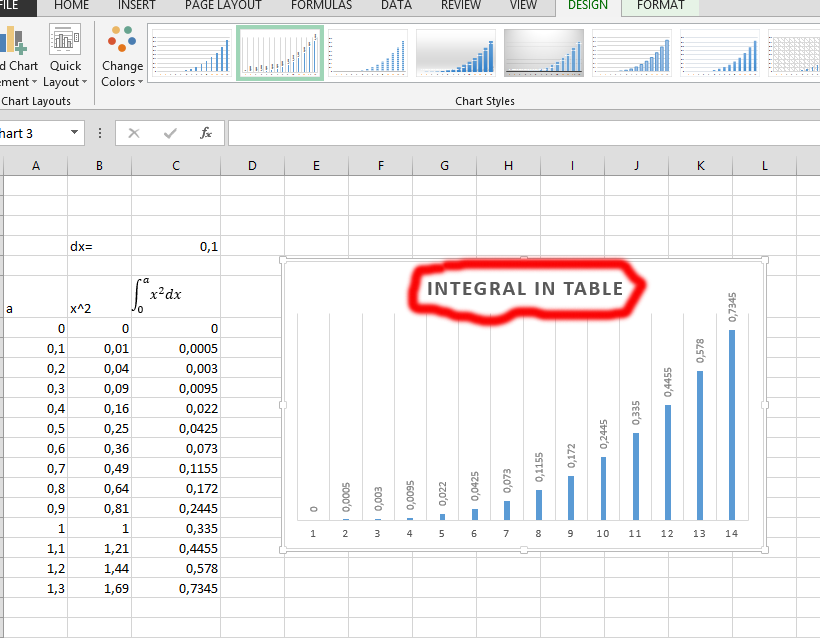
How to use the integral function? Best Excel Tutorial

Numerical integration examples in Excel YouTube

Computing optimal limits for a multiple integral example in Excel YouTube
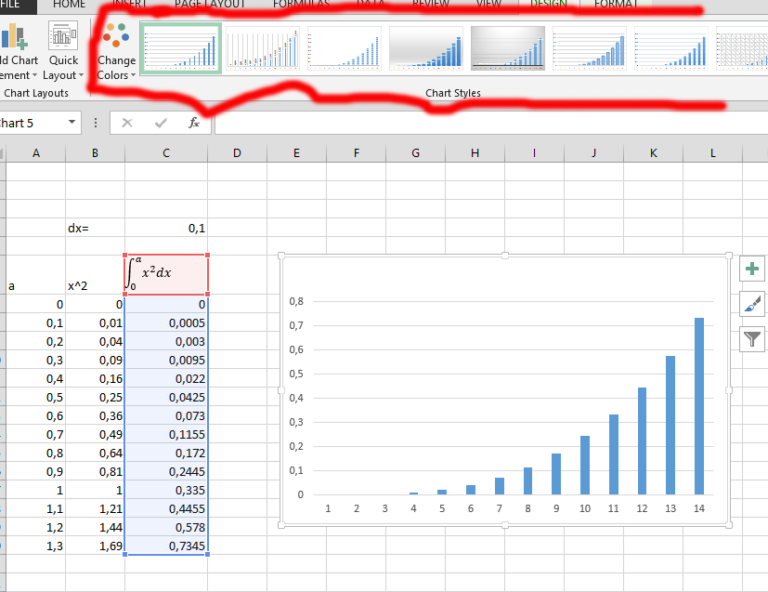
How to use the integral function? Best Excel Tutorial
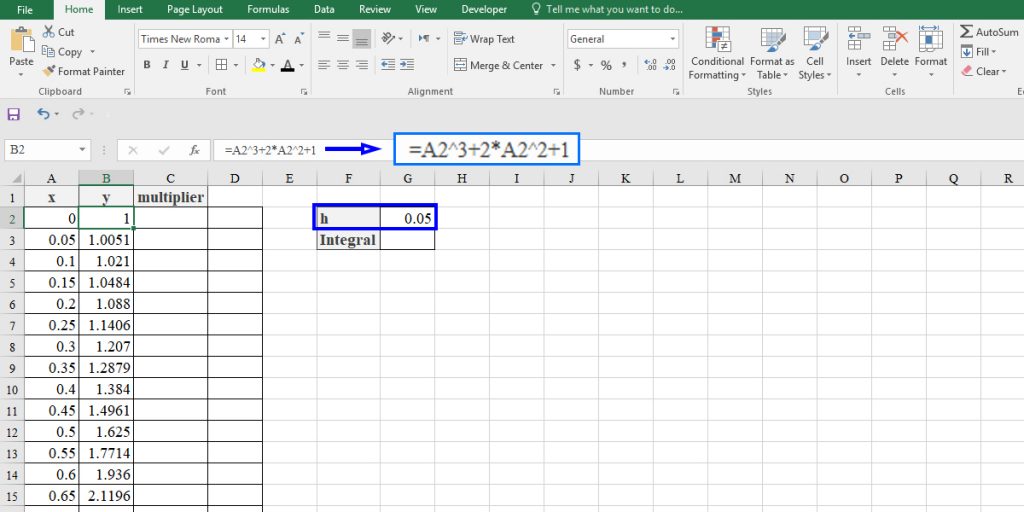
How to Calculate Integral in Excel BSUITE365
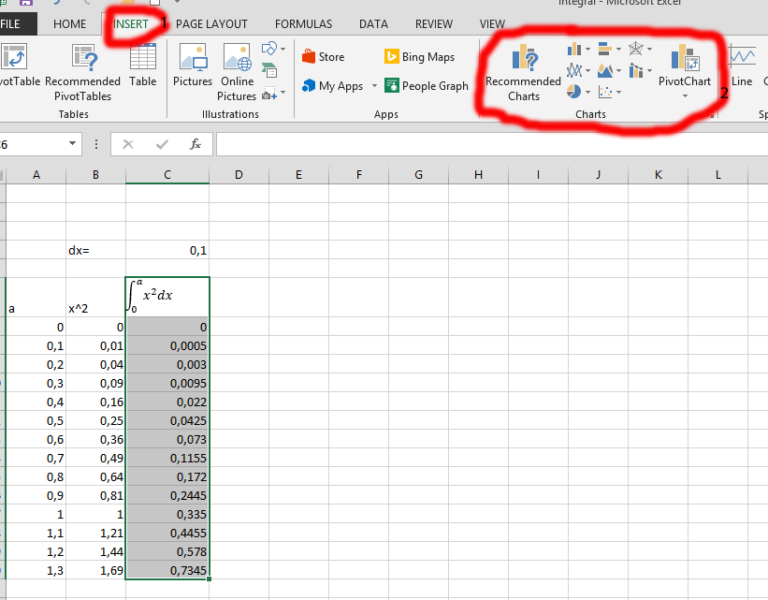
How to use the integral function? Best Excel Tutorial
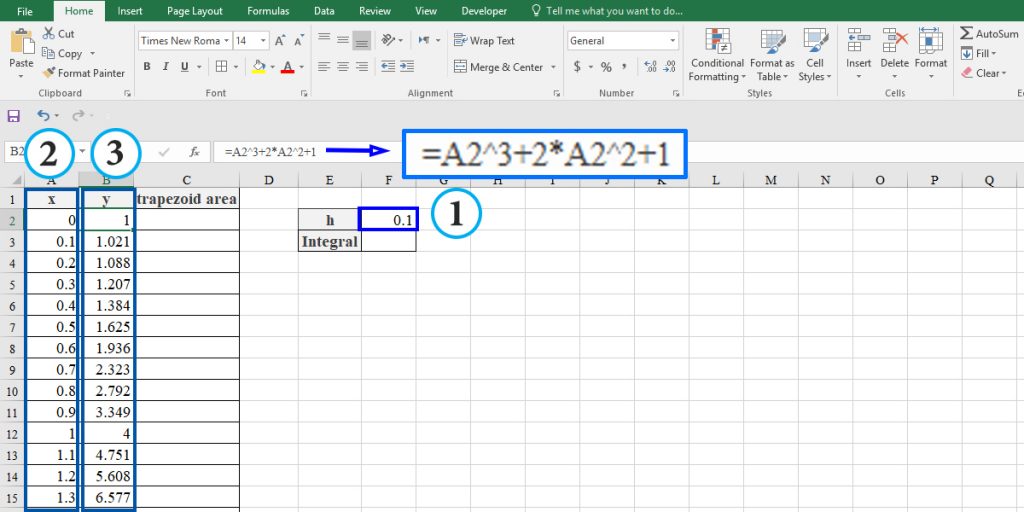
How to Calculate Integral in Excel BSUITE365

Mathe mit Excel Integral Trapezmethode Tutorial YouTube
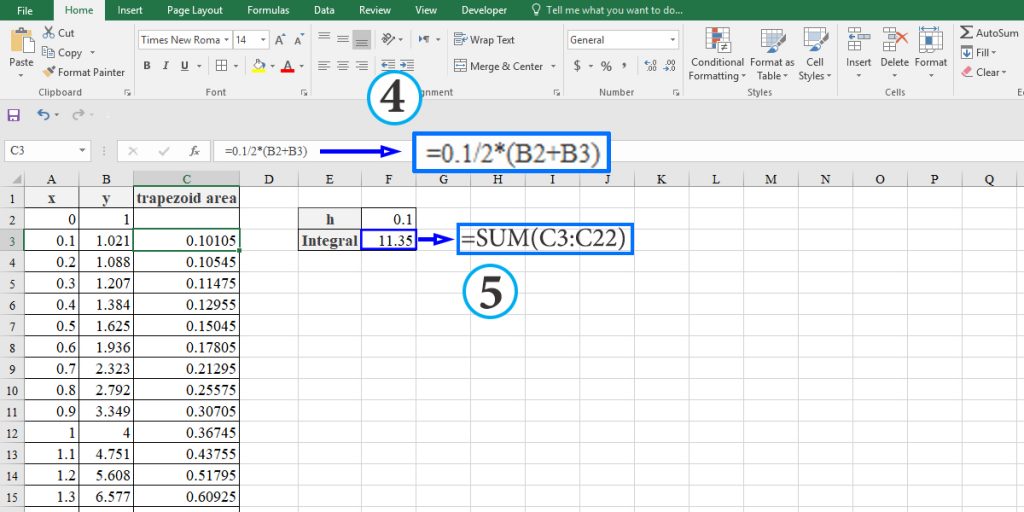
How to Calculate Integral in Excel BSUITE365
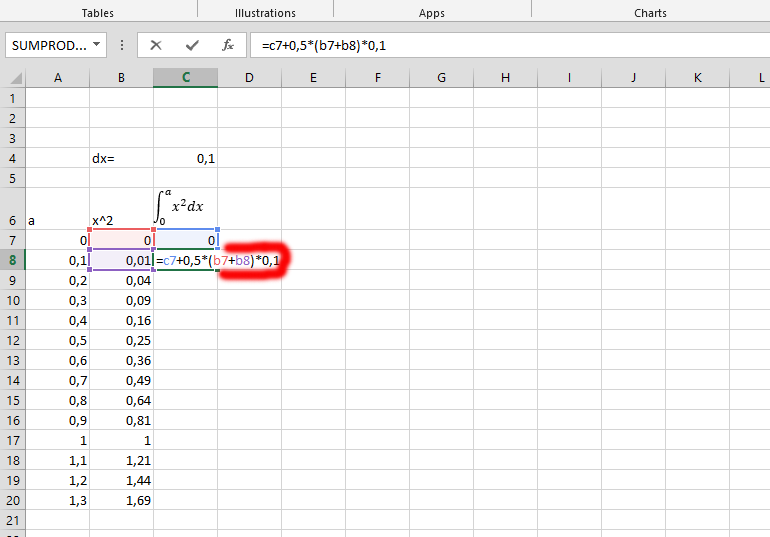
How to use the integral function? Best Excel Tutorial
Related Post: