
Function To Multiply In Excel
Function To Multiply In Excel - The main purpose of wrapping a function with close and open parenthesis is to avoid polluting the global. I have seen the use of %>% (percent greater than percent) function in some packages like dplyr and rvest. One of the columns in your sharepoint list is required/mandatory and you are not passing any value to this column using patch function you are not passing the value with. Jquery (a library built on javascript) has built in functions that generally required the dom to be fully rendered before being called. The identifier __func__ is implicitly declared by the translator as if, immediately following the opening brace of each function definition, the declaration static const char. Is it a way to write closure blocks in r? For example, the following lines is written in c: Iife (immediately invoked function expression) is a function which executes as soon as the script loads and goes away. A function of that nature can be called at any time, anywhere. Consider the function below written in a file named iife.js Consider the function below written in a file named iife.js The identifier __func__ is implicitly declared by the translator as if, immediately following the opening brace of each function definition, the declaration static const char. A function of that nature can be called at any time, anywhere. Makes the expression return a boolean based on the return value of the. Jquery (a library built on javascript) has built in functions that generally required the dom to be fully rendered before being called. A function of that nature can be called at any time, anywhere. Is there a way in javascript to define a function and immediately call it, in a way that allows it to be reused? Consider the function. The identifier __func__ is implicitly declared by the translator as if, immediately following the opening brace of each function definition, the declaration static const char. Usually, an immediately invoked function expression (iife) doesn’t. Makes the expression return a boolean based on the return value of the function. I have seen the use of %>% (percent greater than percent) function in. Is it a way to write closure blocks in r? Iife (immediately invoked function expression) is a function which executes as soon as the script loads and goes away. Actually, the above function will be treated as function expression without a name. I have seen the use of %>% (percent greater than percent) function in some packages like dplyr and. Actually, the above function will be treated as function expression without a name. Line 2 is a plain function, wrapped in parenthesis to tell the runtime to return the function to the parent scope, once it's returned the function is executed using line 4, maybe. Is there a way in javascript to define a function and immediately call it, in. Consider the function below written in a file named iife.js The identifier __func__ is implicitly declared by the translator as if, immediately following the opening brace of each function definition, the declaration static const char. Actually, the above function will be treated as function expression without a name. A function of that nature can be called at any time, anywhere.. Is it a way to write closure blocks in r? Iife (immediately invoked function expression) is a function which executes as soon as the script loads and goes away. Makes the expression return a boolean based on the return value of the function. Jquery (a library built on javascript) has built in functions that generally required the dom to be. Is it a way to write closure blocks in r? For example, the following lines is written in c: Consider the function below written in a file named iife.js Actually, the above function will be treated as function expression without a name. Line 2 is a plain function, wrapped in parenthesis to tell the runtime to return the function to. For example, the following lines is written in c: Is it a way to write closure blocks in r? Actually, the above function will be treated as function expression without a name. The main purpose of wrapping a function with close and open parenthesis is to avoid polluting the global. Consider the function below written in a file named iife.js For example, the following lines is written in c: Line 2 is a plain function, wrapped in parenthesis to tell the runtime to return the function to the parent scope, once it's returned the function is executed using line 4, maybe. Actually, the above function will be treated as function expression without a name. Iife (immediately invoked function expression) is.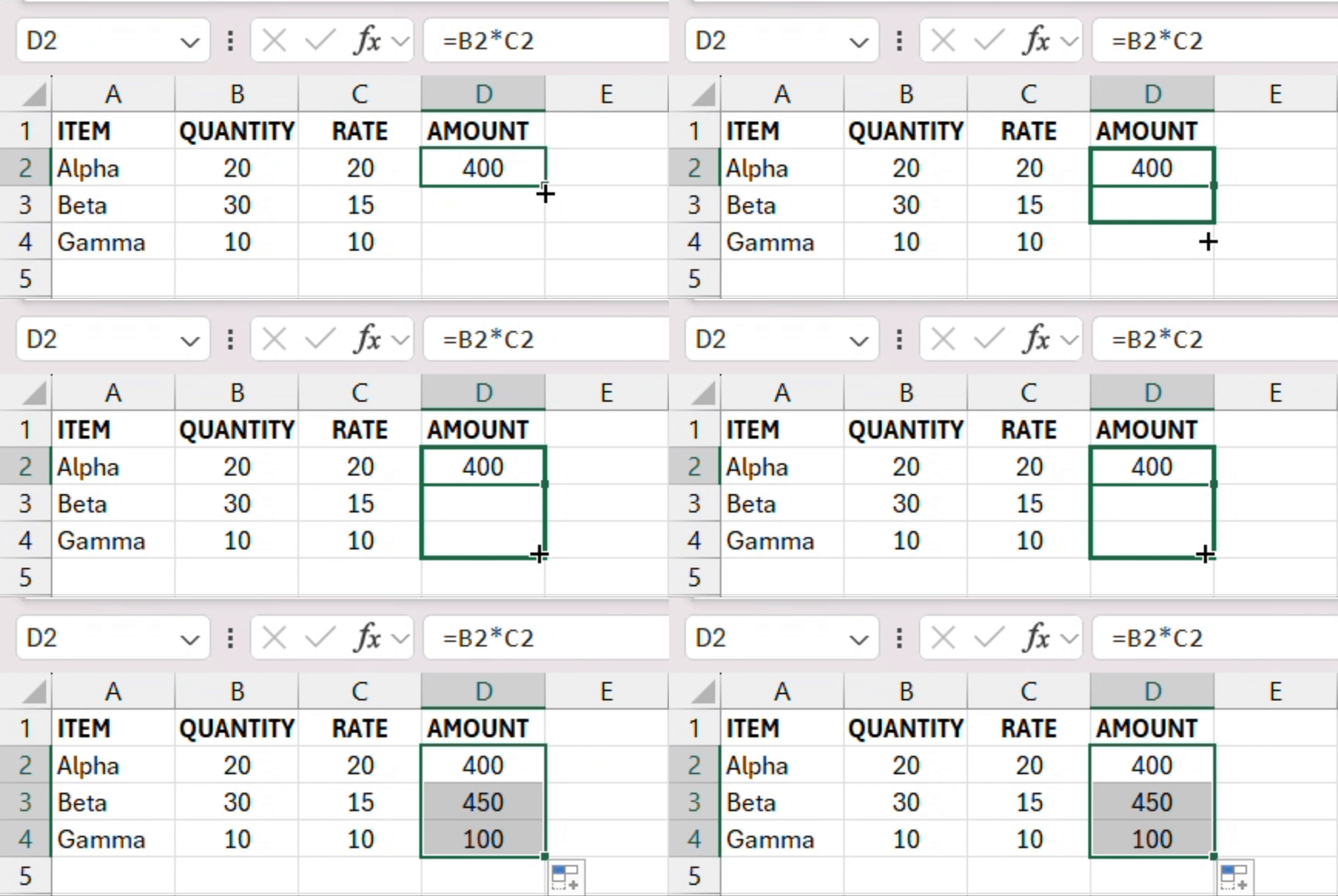
How to Multiply in Excel Step by Step Formula Guide

How to Multiply in Excel? (Easy Ways)
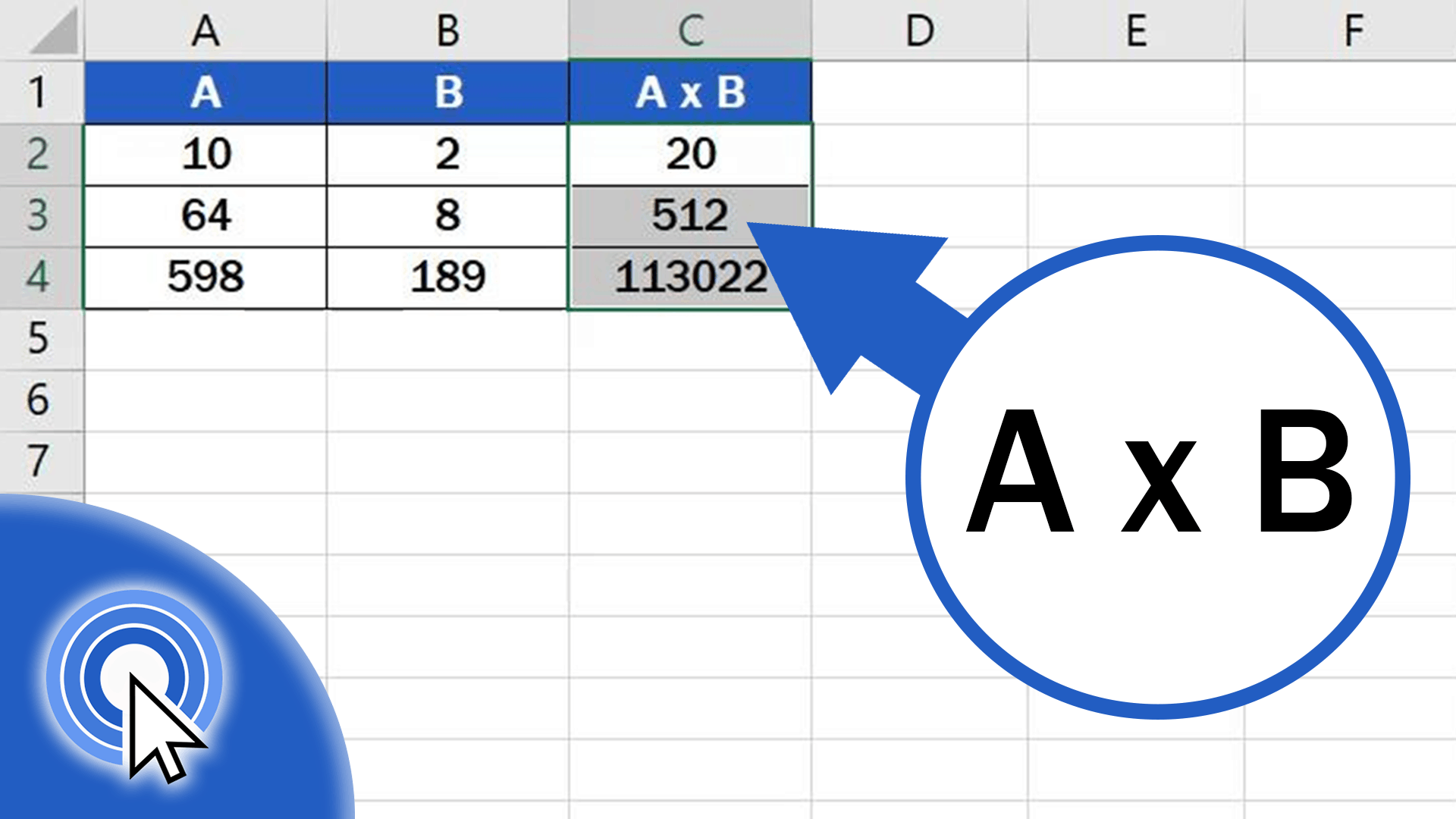
How to Multiply Numbers in Excel (Basic way)

How to Create a Multiplication Formula in Excel (5 Easy Ways)
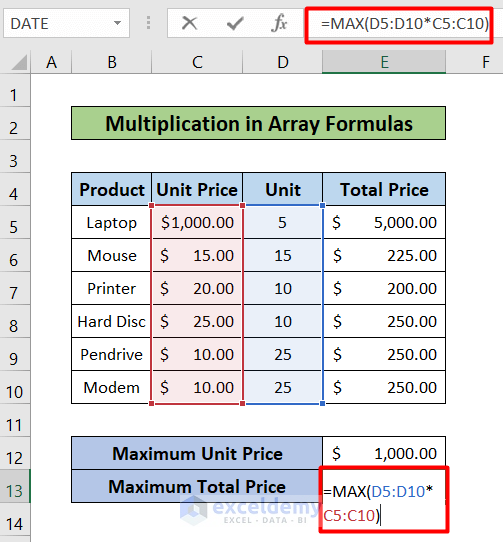
How to Create a Multiplication Formula in Excel (5 Easy Ways)
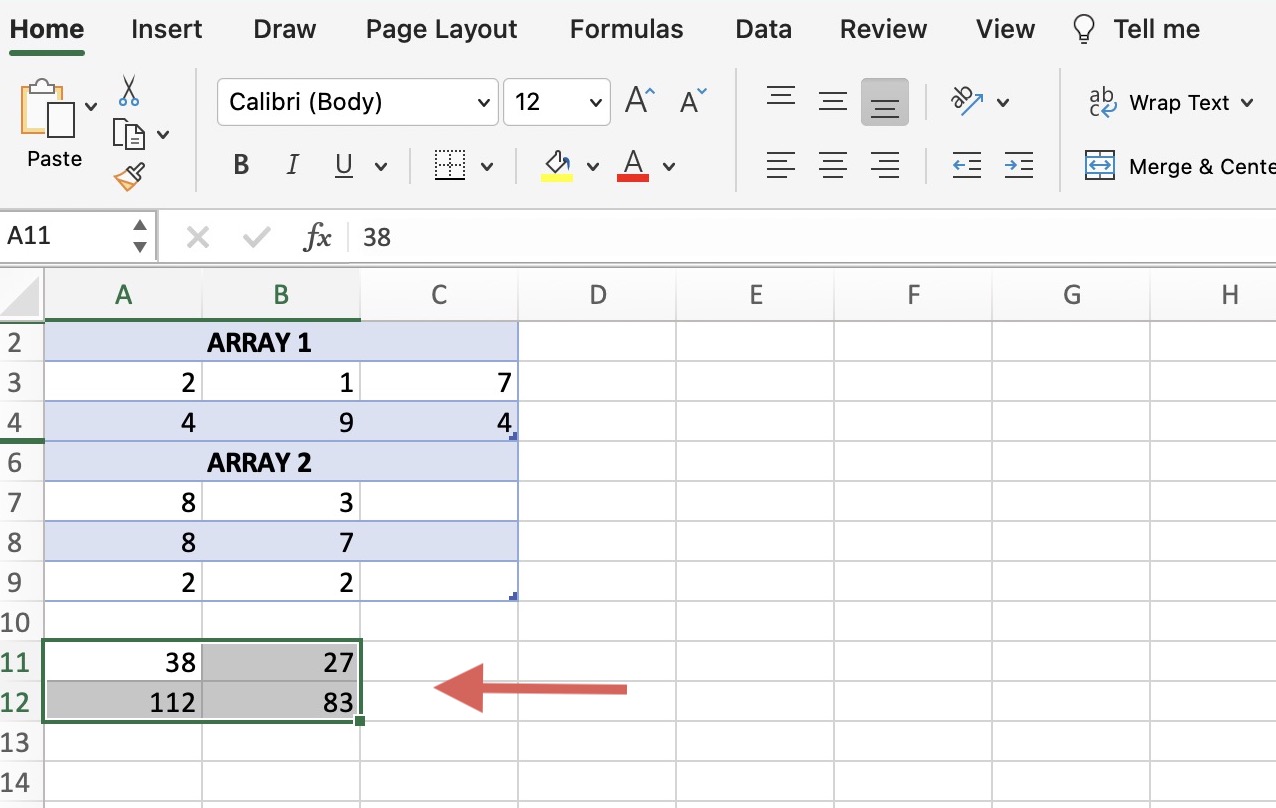
How To Multiply in Excel A Complete Guide
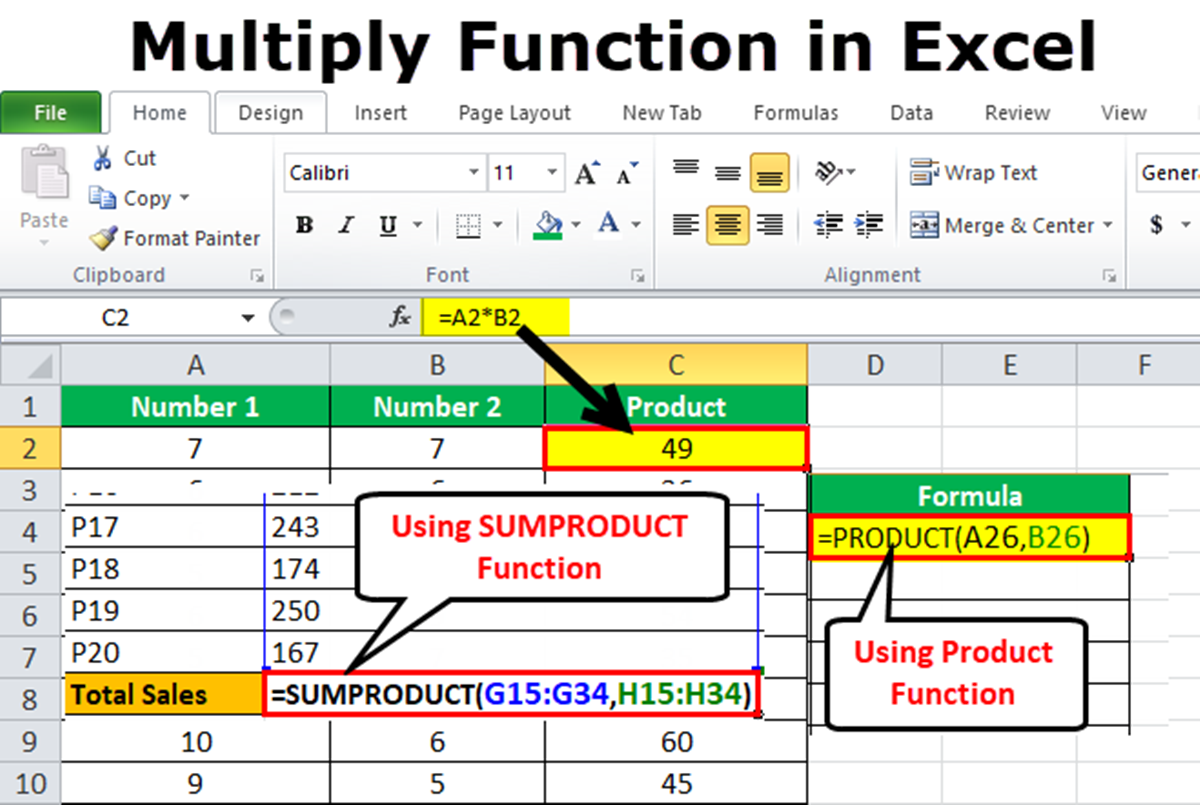
How to Multiply in Excel CitizenSide
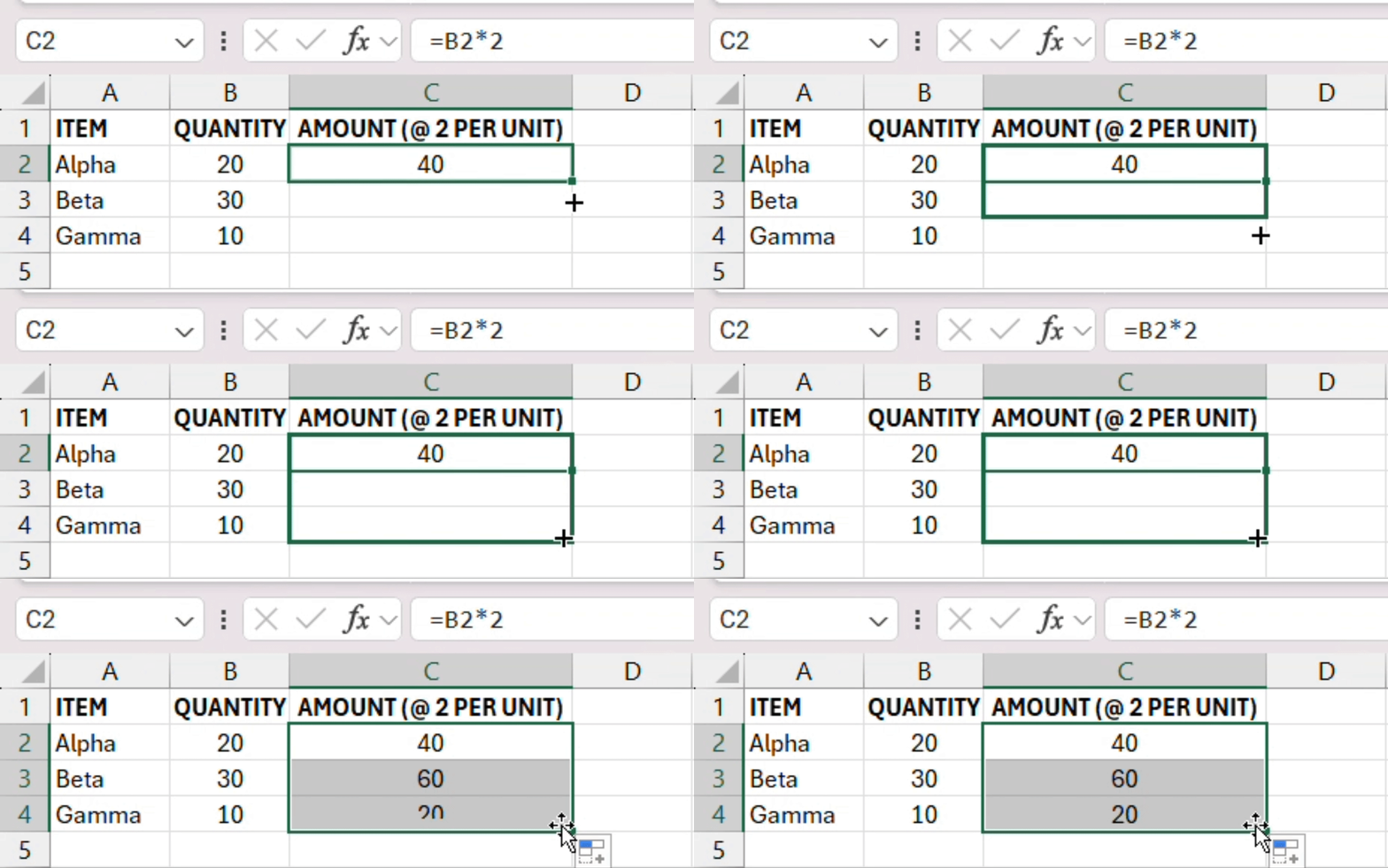
How to Multiply in Excel Step by Step Formula Guide

How to Divide and Multiply in One Excel Formula (4 Ways) ExcelDemy

3 Ways to Multiply in Excel wikiHow
Related Post: