
Function Text Excel
Function Text Excel - Line 2 is a plain function, wrapped in parenthesis to tell the runtime to return the function to the parent scope, once it's returned the function is executed using line 4, maybe. Function pointers can be passed as template parameters, and this is part of standard c++. 0 a python function can take in some arguments, take this for example, def add(x,y): Actually, the above function will be treated as function expression without a name. The main purpose of wrapping a function with close and open parenthesis is to avoid polluting the global. For example, imagine a function that divides two integers and returns both the quotient and the. But i fail right at the beginning with this code: I have seen the use of %>% (percent greater than percent) function in some packages like dplyr and rvest. Makes the expression return a boolean based on the return value of the function. For one class i want to store some function pointers to member functions of the same class in one map storing std::function objects. Is it a way to write closure blocks in r? Makes the expression return a boolean based on the return value of the function. However, neither project is showing up under functions in the portal although the code deployed successfully just like azure websites and the url says your function app is. Actually, the above function will be treated as. The main purpose of wrapping a function with close and open parenthesis is to avoid polluting the global. 0 a python function can take in some arguments, take this for example, def add(x,y): Function pointers can be passed as template parameters, and this is part of standard c++. Is there a preferred way to return multiple values from a c++. Line 2 is a plain function, wrapped in parenthesis to tell the runtime to return the function to the parent scope, once it's returned the function is executed using line 4, maybe. But i fail right at the beginning with this code: The main purpose of wrapping a function with close and open parenthesis is to avoid polluting the global.. I have seen the use of %>% (percent greater than percent) function in some packages like dplyr and rvest. 0 a python function can take in some arguments, take this for example, def add(x,y): But i fail right at the beginning with this code: Makes the expression return a boolean based on the return value of the function. Return x+. For example, imagine a function that divides two integers and returns both the quotient and the. For one class i want to store some function pointers to member functions of the same class in one map storing std::function objects. Return x+ y # calling this will require only x and y add(2,3) # 5 if we want to add as. For example, imagine a function that divides two integers and returns both the quotient and the. For one class i want to store some function pointers to member functions of the same class in one map storing std::function objects. Makes the expression return a boolean based on the return value of the function. Line 2 is a plain function, wrapped. For one class i want to store some function pointers to member functions of the same class in one map storing std::function objects. 0 a python function can take in some arguments, take this for example, def add(x,y): Actually, the above function will be treated as function expression without a name. Line 2 is a plain function, wrapped in parenthesis. For example, the following lines is written in c: Return x+ y # calling this will require only x and y add(2,3) # 5 if we want to add as many arguments as we. Usually, an immediately invoked function expression (iife) doesn’t. Function pointers can be passed as template parameters, and this is part of standard c++. Actually, the above. 0 a python function can take in some arguments, take this for example, def add(x,y): Is it a way to write closure blocks in r? Function pointers can be passed as template parameters, and this is part of standard c++. The main purpose of wrapping a function with close and open parenthesis is to avoid polluting the global. However, neither. Usually, an immediately invoked function expression (iife) doesn’t. Function pointers can be passed as template parameters, and this is part of standard c++. Is there a preferred way to return multiple values from a c++ function? But i fail right at the beginning with this code: Makes the expression return a boolean based on the return value of the function.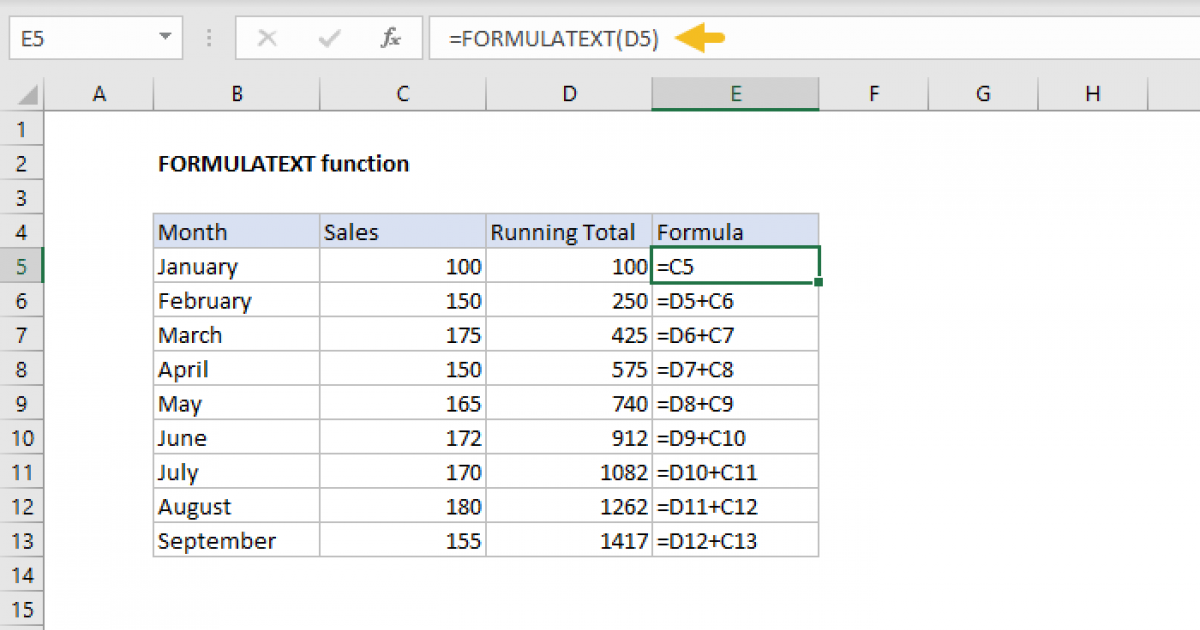
Excel FORMULATEXT function Exceljet
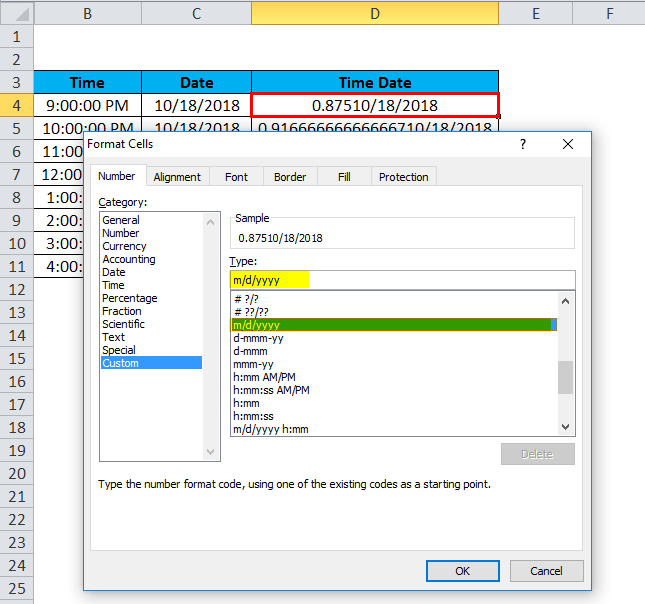
TEXT Function in Excel (Formula,Examples) How to Use TEXT Function?
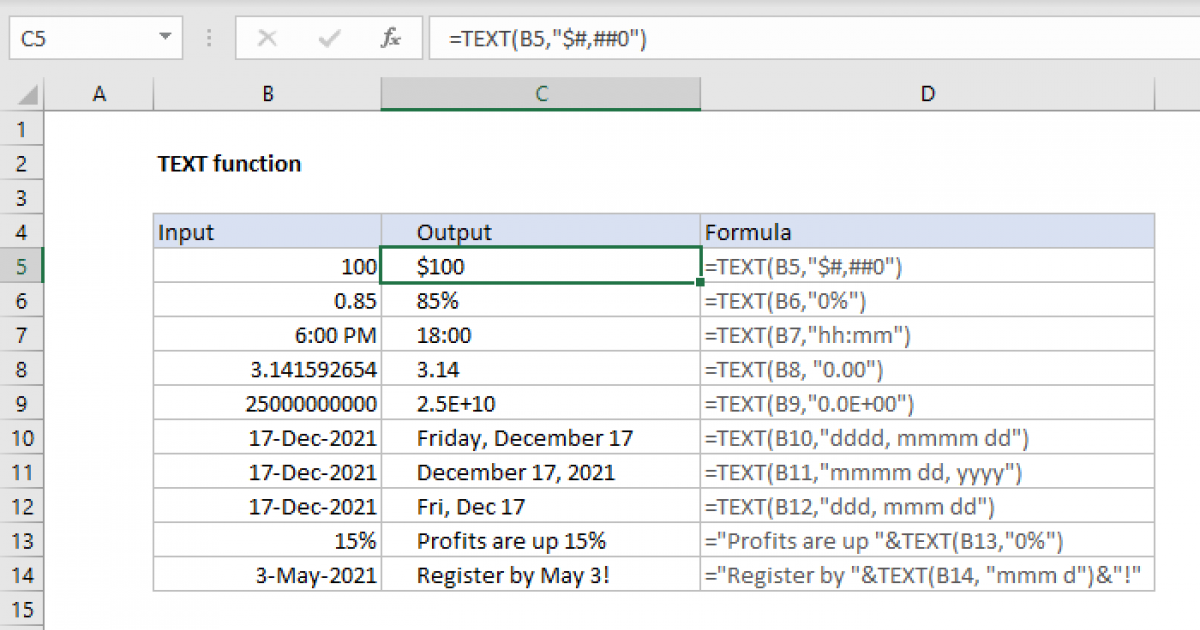
Excel TEXT function Exceljet
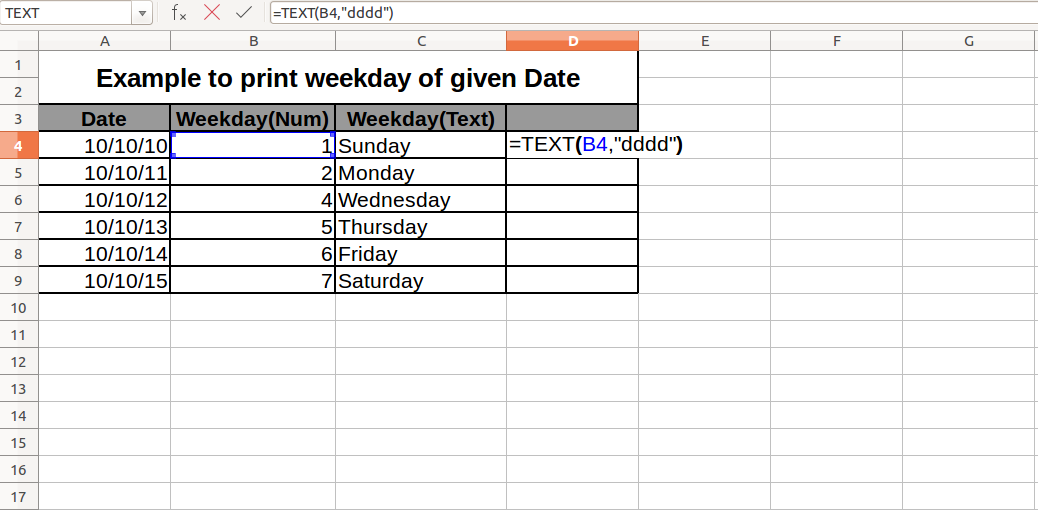
TEXT Function in Excel , Text Function Format in excel
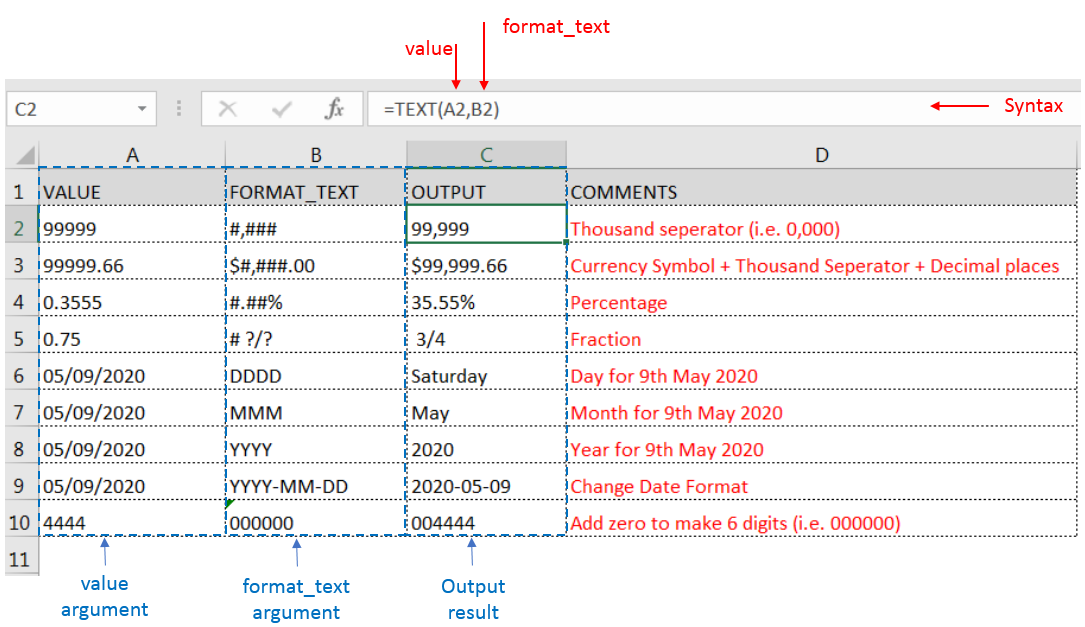
EXCEL TEXT FUNCTION With Examples Easy Guide 2025

How to use the text function in excel Excel tips and tricks YouTube
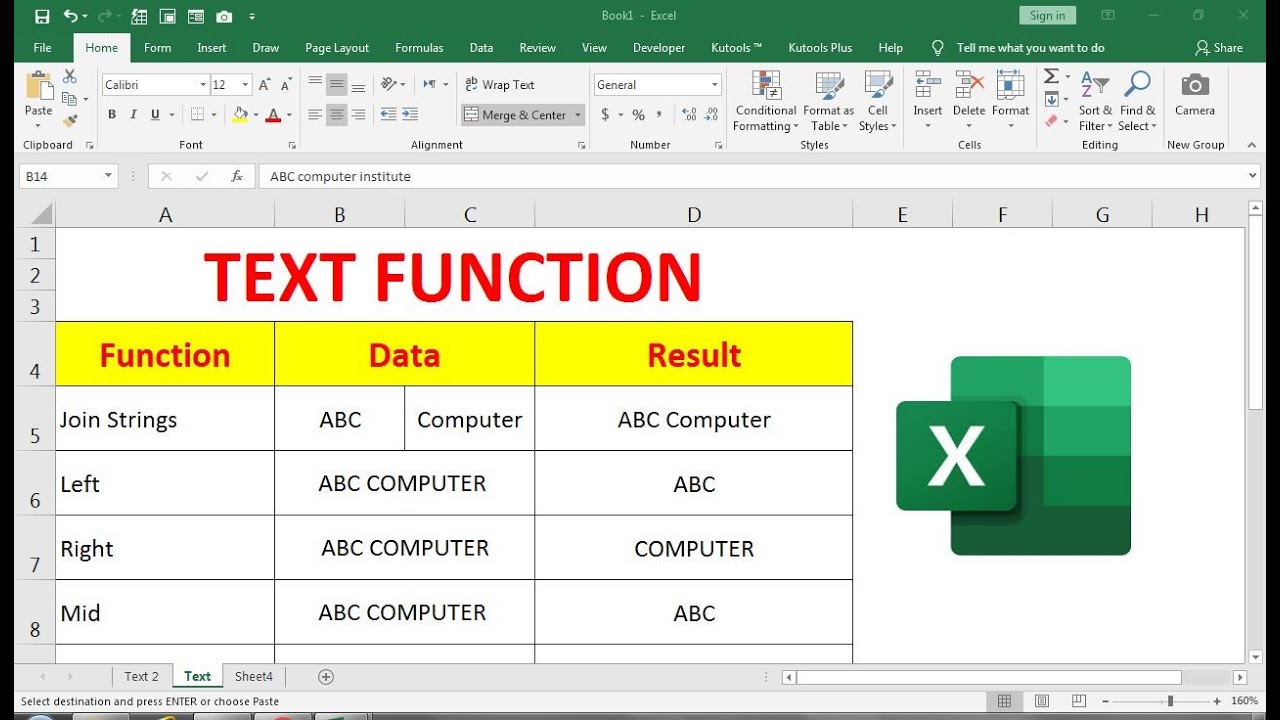
text functions in excel with examples YouTube
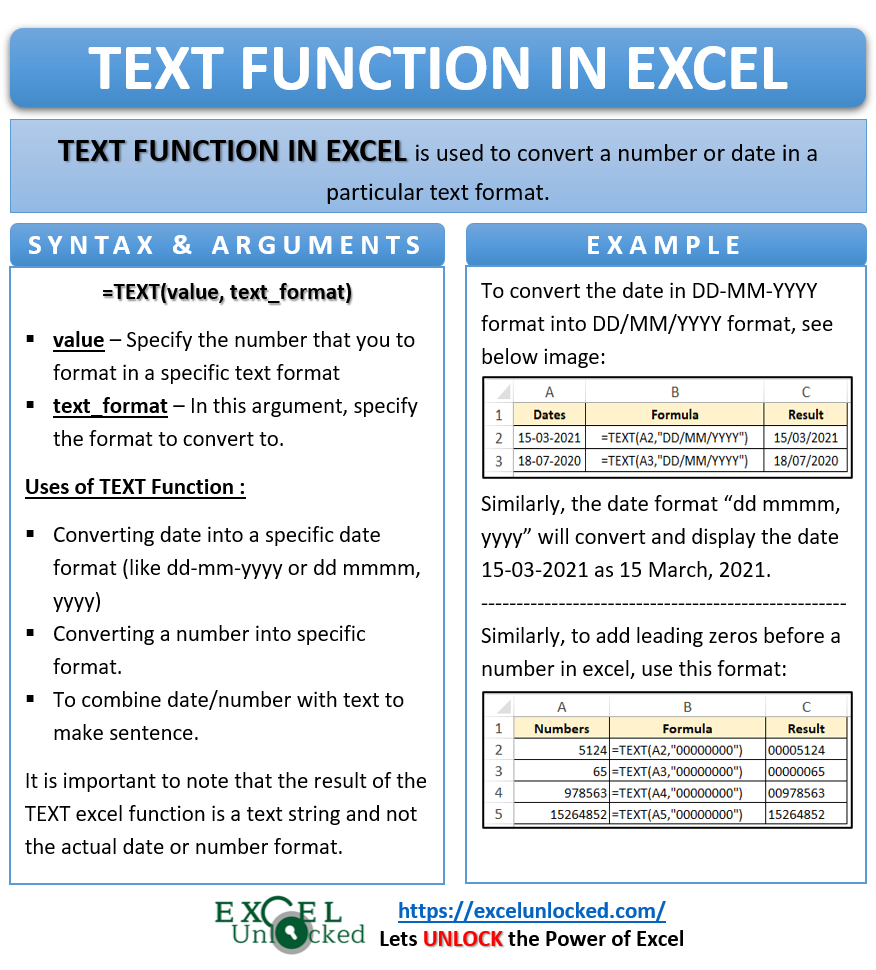
How To Use Text In Excel If Function at Sam Fox blog
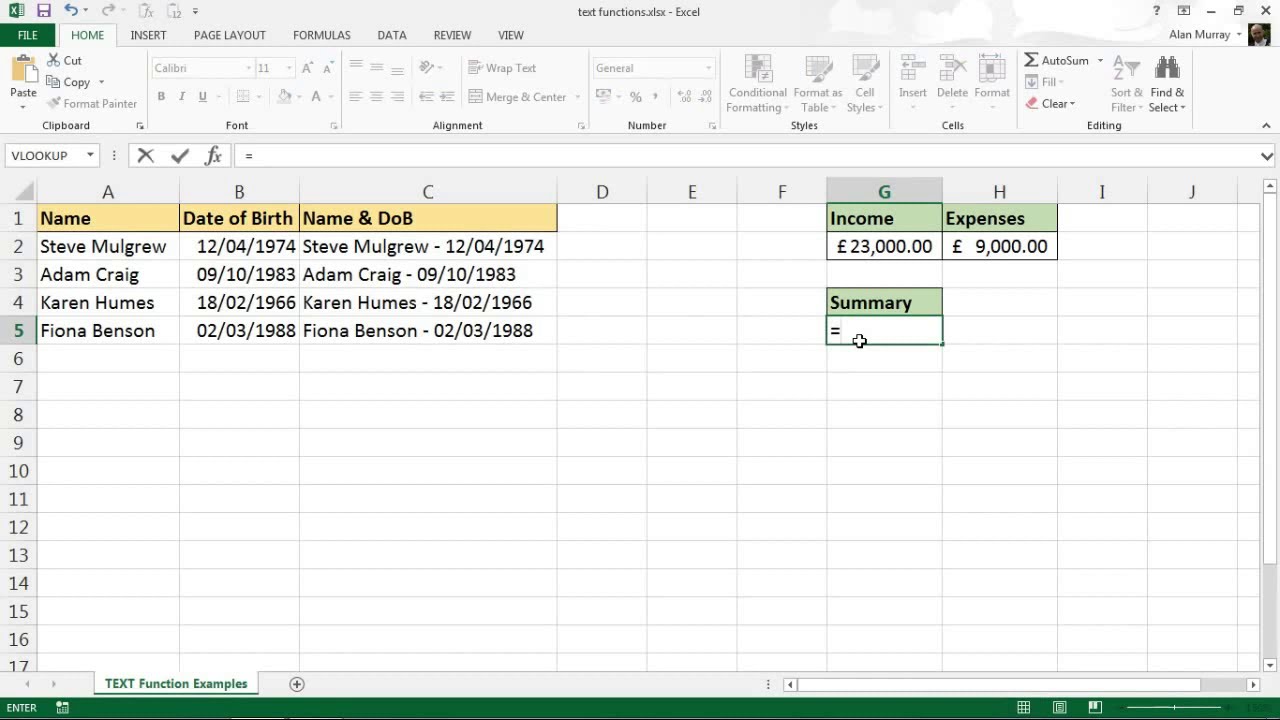
How to use the TEXT Function in Excel YouTube
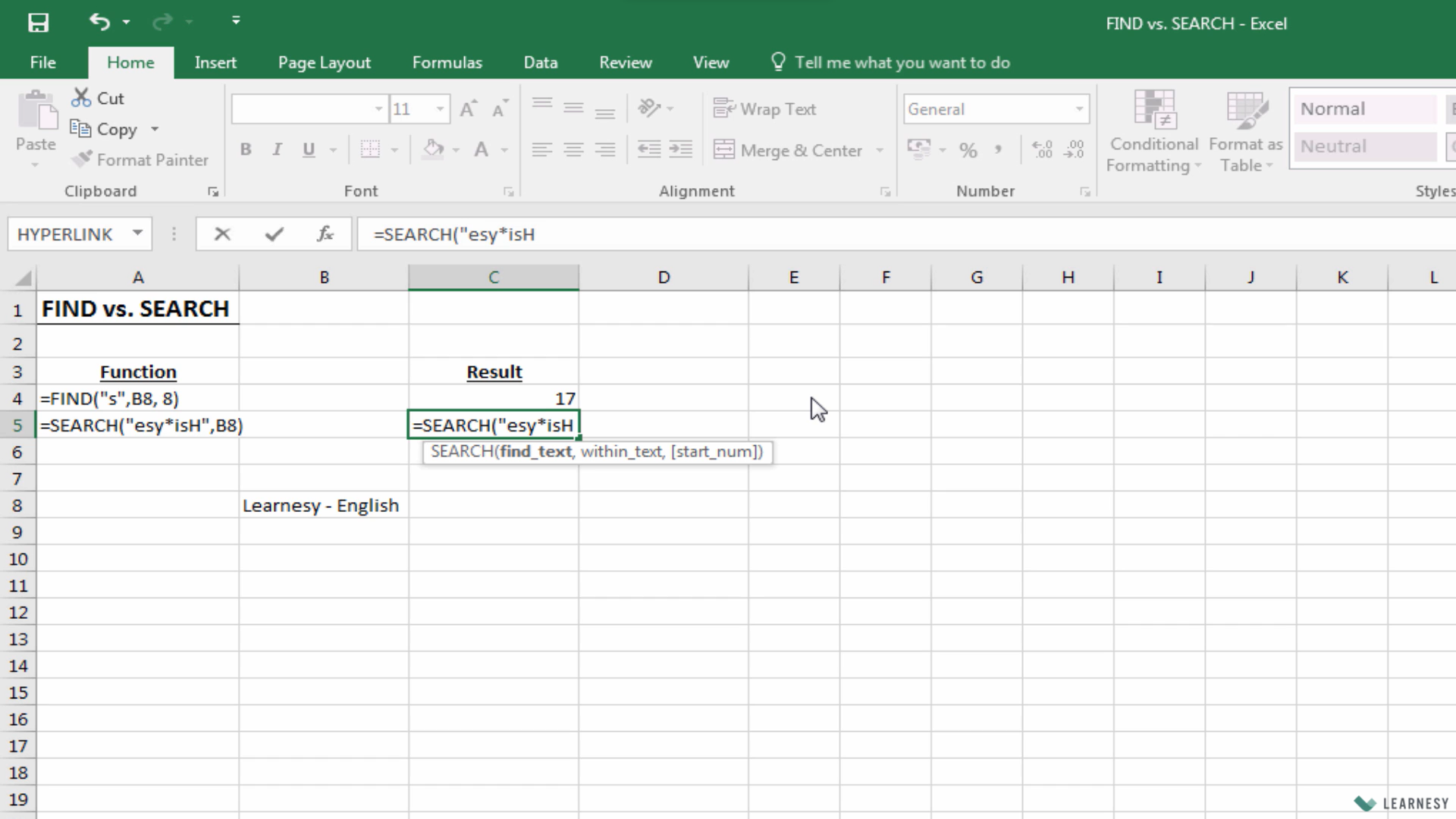
Text Functions in Excel Efficient Text Manipulation Learnesy
Related Post: