F Statistic In Excel
F Statistic In Excel - Is there some syntax that works for this? There is no difference between %f and %lf in the printf family. Which indicates that the literal is a floating point number rather than an integer, and the f suffix which tells the compiler the literal should be of type float. Here are two ways it does not work. The iso c standard (all references within are from c11), section 7.21.6.1 the fprintf function, paragraph /7 states,. I have indicated those which don't do anything visually. The.f is actually two components, the. These strings may contain replacement fields, which are expressions delimited by curly braces. How can i work around the problem? But they don't seem to have a lot of advantages, and, as you've said, they unnecessarily break compatibility with python < 3.6 I have indicated those which don't do anything visually. A few of these don't do anything interesting, or even anything visible. These strings may contain replacement fields, which are expressions delimited by curly braces. But they don't seem to have a lot of advantages, and, as you've said, they unnecessarily break compatibility with python < 3.6 The iso c standard. Here are two ways it does not work. These strings may contain replacement fields, which are expressions delimited by curly braces. The iso c standard (all references within are from c11), section 7.21.6.1 the fprintf function, paragraph /7 states,. A few of these don't do anything interesting, or even anything visible. There is no difference between %f and %lf in. Is there some syntax that works for this? [gmail]/ is attempting to use double quotes inside of a f that uses double quotes, which you can't do. But they don't seem to have a lot of advantages, and, as you've said, they unnecessarily break compatibility with python < 3.6 The.f is actually two components, the. How can i work around. These strings may contain replacement fields, which are expressions delimited by curly braces. But they don't seem to have a lot of advantages, and, as you've said, they unnecessarily break compatibility with python < 3.6 Here are two ways it does not work. For some additional discussion of why the limitation exists. Which indicates that the literal is a floating. I would like if ppl is true to format num to 2 decimal places, and if ppl is false to rformat it as whatever it is. There is no difference between %f and %lf in the printf family. Is there some syntax that works for this? I have indicated those which don't do anything visually. How can i work around. There is no difference between %f and %lf in the printf family. I would like if ppl is true to format num to 2 decimal places, and if ppl is false to rformat it as whatever it is. The iso c standard (all references within are from c11), section 7.21.6.1 the fprintf function, paragraph /7 states,. But they don't seem. A few of these don't do anything interesting, or even anything visible. The iso c standard (all references within are from c11), section 7.21.6.1 the fprintf function, paragraph /7 states,. When using an f in front of a string, all the variables inside curly brackets are read and replaced by their value. I would like if ppl is true to. But they don't seem to have a lot of advantages, and, as you've said, they unnecessarily break compatibility with python < 3.6 There is no difference between %f and %lf in the printf family. Which indicates that the literal is a floating point number rather than an integer, and the f suffix which tells the compiler the literal should be. [gmail]/ is attempting to use double quotes inside of a f that uses double quotes, which you can't do. Here are two ways it does not work. I would like if ppl is true to format num to 2 decimal places, and if ppl is false to rformat it as whatever it is. There is no difference between %f and. When using an f in front of a string, all the variables inside curly brackets are read and replaced by their value. These strings may contain replacement fields, which are expressions delimited by curly braces. How can i work around the problem? But they don't seem to have a lot of advantages, and, as you've said, they unnecessarily break compatibility.
How to Calculate the PValue of an FStatistic in Excel

Ftable How to create F Distribution in Excel or Google Sheets YouTube

How to Perform a Partial FTest in Excel

Create An FDistribution Table In Excel FTest Of The Equality Of Two

How to Calculate the PValue of an FStatistic in Excel
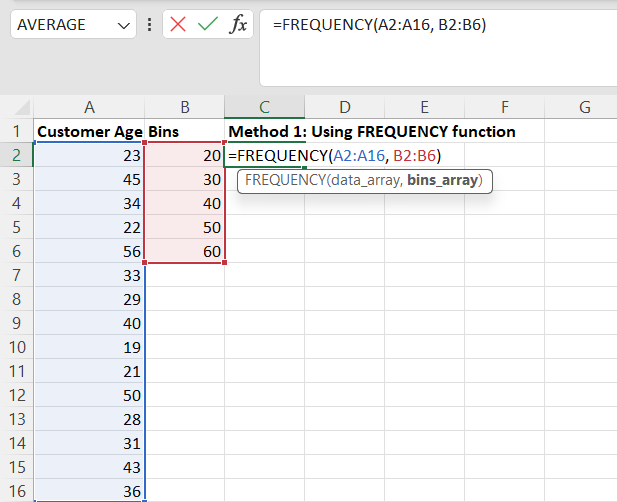
A Guide to Calculating Frequency Distributions in Excel DataCamp

Excel FDistribution and FTest YouTube
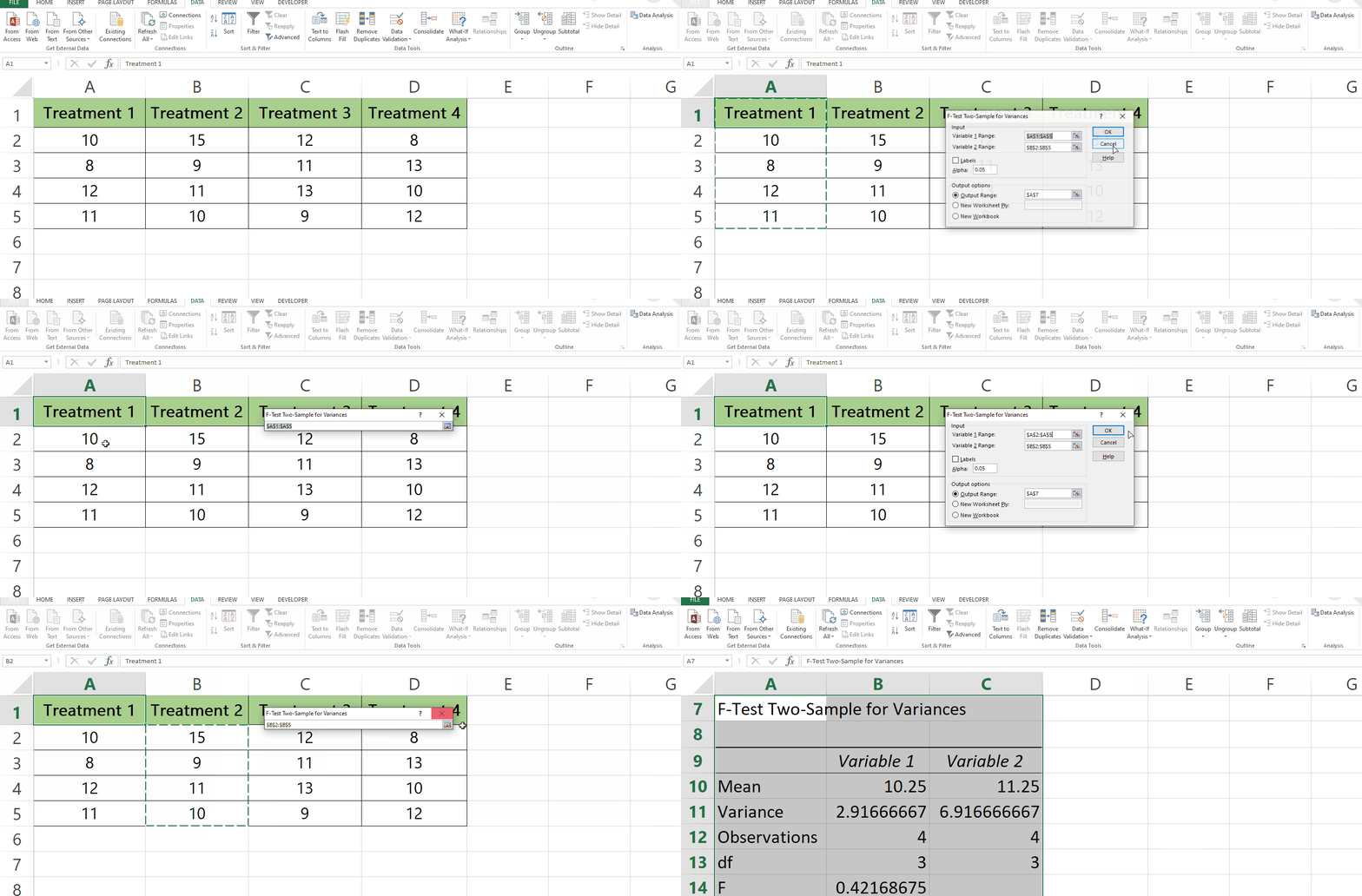
How To Find Fstatistic In Excel. SpreadCheaters

How to Calculate the PValue of an FStatistic in Excel

FTest in Excel YouTube
Related Post: