
Exponentiation Formula In Excel
Exponentiation Formula In Excel - (2)^x = 8 what is the value of x? (2)^3 = 8 i understand that this is 2 * 2 * 2 = 8 my question is how do i reverse engineer this if i do not know the power like this: After a bit of thinking,. Computational complexity of modular exponentiation (from rosen's discrete mathematics) ask question asked 8 years, 2 months ago modified 3 months ago You know, like addition is the inverse operation of subtraction, vice versa, multiplication is the inverse of division, vice versa , square is the inverse of square root, vice. We use multiplication for repeated addition, and in turn use exponents for repeated multiplication. When rigorously laying out foundations of all of analysis, the usual method is to use the definition $$ a^b = \exp (b \log (a)) $$ while you could try and define exponentiation. Modular exponentiation by repeated squaring (and peasant multiplication] ask question asked 13 years, 7 months ago modified 5 months ago Think of a number line, with $0$ in the middle, and tick marks at each integer. Exponentiation is a correspondence between addition and multiplication. I was wondering why addition has one inverse (subtraction), multiplication has one inverse (division), but exponentiation has two (radication and logarithm). After a bit of thinking,. When rigorously laying out foundations of all of analysis, the usual method is to use the definition $$ a^b = \exp (b \log (a)) $$ while you could try and define exponentiation. What topic. What topic comes after this, for repeated exponentials? You know, like addition is the inverse operation of subtraction, vice versa, multiplication is the inverse of division, vice versa , square is the inverse of square root, vice. After a bit of thinking,. I was wondering why addition has one inverse (subtraction), multiplication has one inverse (division), but exponentiation has two. Explore related questions definition exponentiation see similar questions with these tags. You know, like addition is the inverse operation of subtraction, vice versa, multiplication is the inverse of division, vice versa , square is the inverse of square root, vice. (2)^x = 8 what is the value of x? Modular exponentiation by repeated squaring (and peasant multiplication] ask question asked. You know, like addition is the inverse operation of subtraction, vice versa, multiplication is the inverse of division, vice versa , square is the inverse of square root, vice. (2)^3 = 8 i understand that this is 2 * 2 * 2 = 8 my question is how do i reverse engineer this if i do not know the power. Modular exponentiation by repeated squaring (and peasant multiplication] ask question asked 13 years, 7 months ago modified 5 months ago (2)^3 = 8 i understand that this is 2 * 2 * 2 = 8 my question is how do i reverse engineer this if i do not know the power like this: When rigorously laying out foundations of all. (2)^3 = 8 i understand that this is 2 * 2 * 2 = 8 my question is how do i reverse engineer this if i do not know the power like this: We use multiplication for repeated addition, and in turn use exponents for repeated multiplication. I was wondering why addition has one inverse (subtraction), multiplication has one inverse. (2)^x = 8 what is the value of x? Think of a number line, with $0$ in the middle, and tick marks at each integer. Exponentiation is a correspondence between addition and multiplication. We use multiplication for repeated addition, and in turn use exponents for repeated multiplication. When rigorously laying out foundations of all of analysis, the usual method is. (2)^3 = 8 i understand that this is 2 * 2 * 2 = 8 my question is how do i reverse engineer this if i do not know the power like this: Think of a number line, with $0$ in the middle, and tick marks at each integer. Computational complexity of modular exponentiation (from rosen's discrete mathematics) ask question. We use multiplication for repeated addition, and in turn use exponents for repeated multiplication. Modular exponentiation by repeated squaring (and peasant multiplication] ask question asked 13 years, 7 months ago modified 5 months ago Think of a number line, with $0$ in the middle, and tick marks at each integer. When rigorously laying out foundations of all of analysis, the. Exponentiation is a correspondence between addition and multiplication. (2)^x = 8 what is the value of x? What topic comes after this, for repeated exponentials? We use multiplication for repeated addition, and in turn use exponents for repeated multiplication. I was wondering why addition has one inverse (subtraction), multiplication has one inverse (division), but exponentiation has two (radication and logarithm).
How to Format numbers to display exponents in Microsoft Excel

Calculate Exponential Excel at Kasi Theisen blog

How to do Exponents in Excel Unlocking the Power of Exponents in
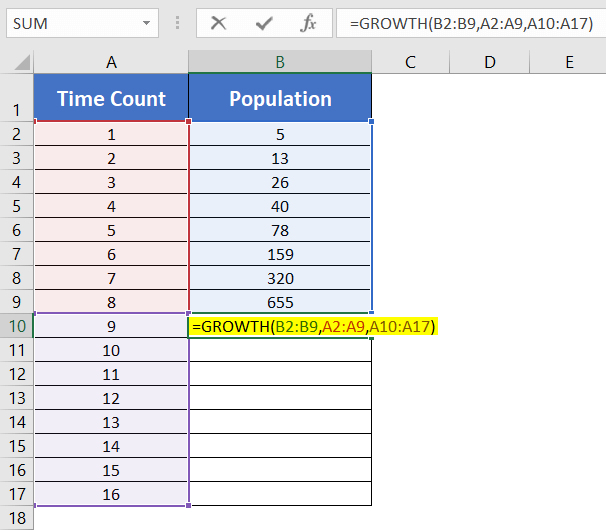
How to Apply Exponential Growth Formula in Excel [3 Scenarios
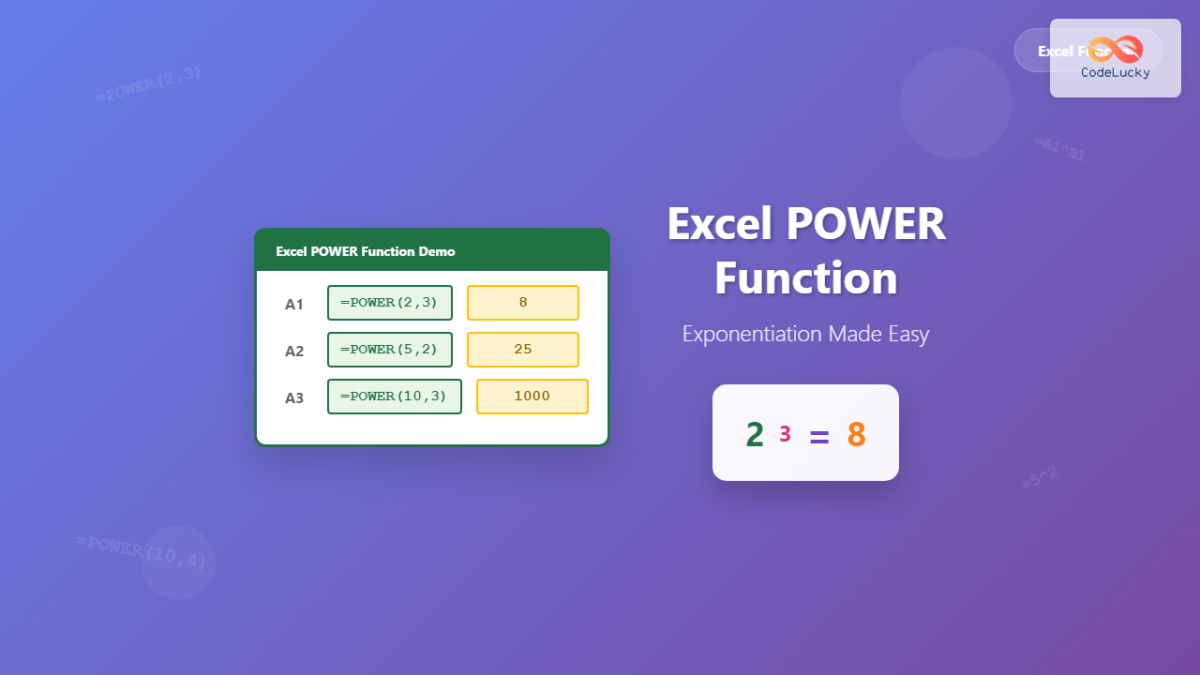
Excel EXP Function Complete Guide to Exponential Calculations CodeLucky
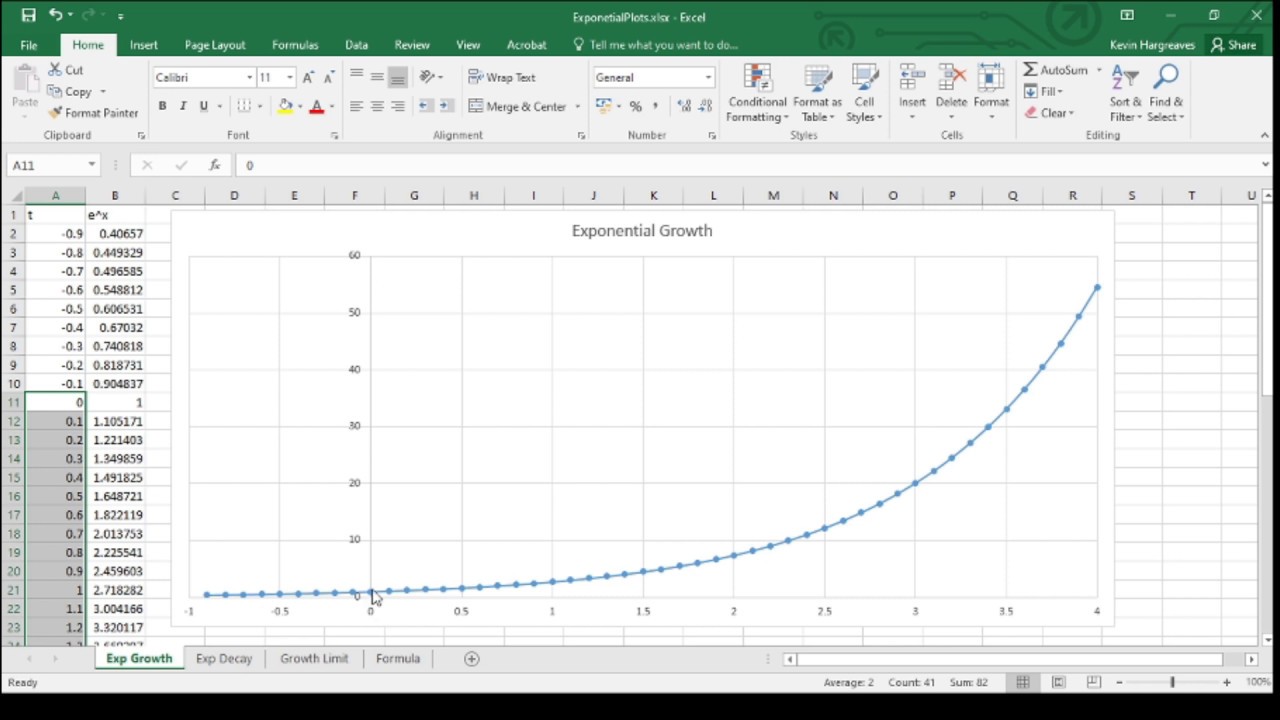
Excel Calculate Exponential Smoothing at Angel Fuentes blog
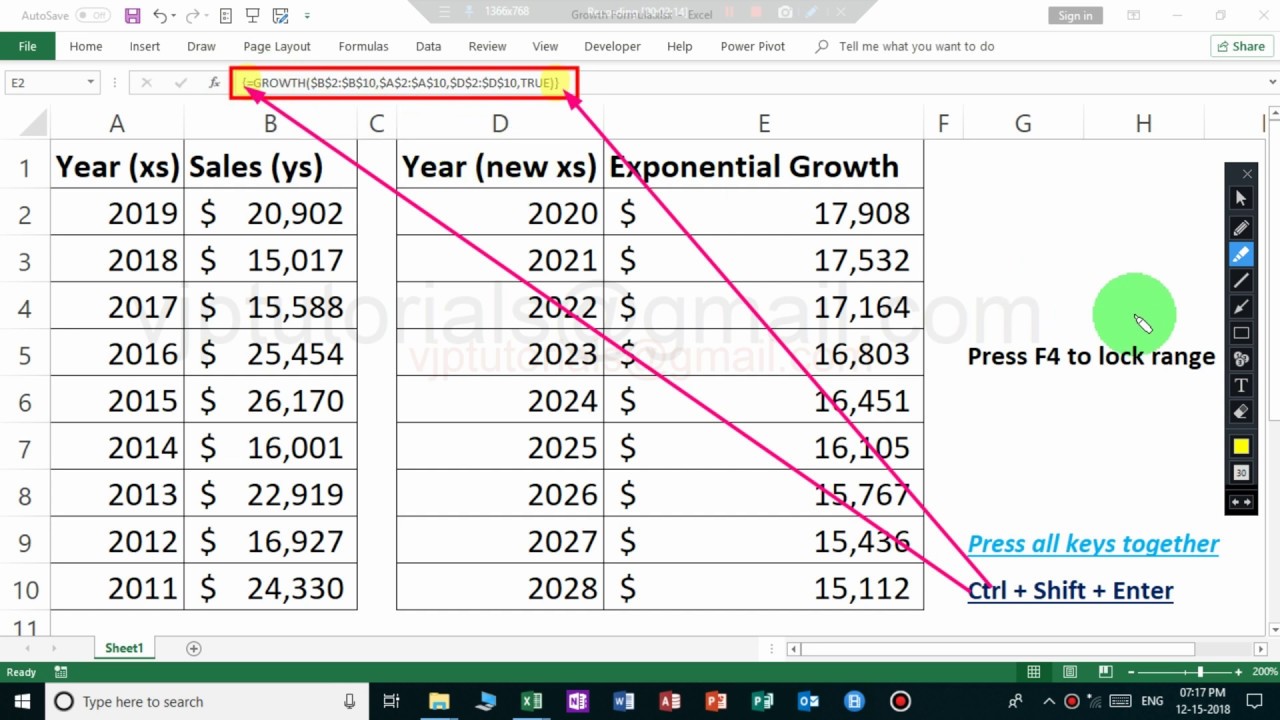
Calculate Exponential Growth Using Excel at Kelli Johnson blog
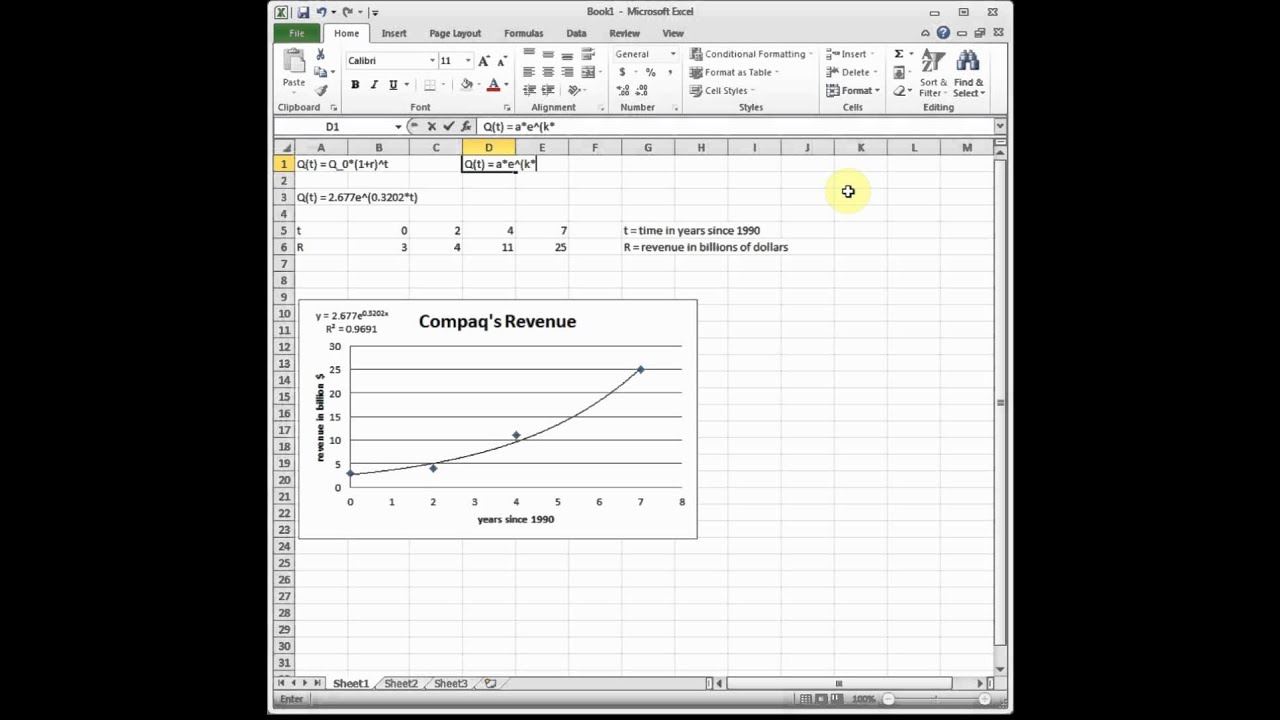
Exponential Functions in Excel YouTube

Exponential function in Excel YouTube
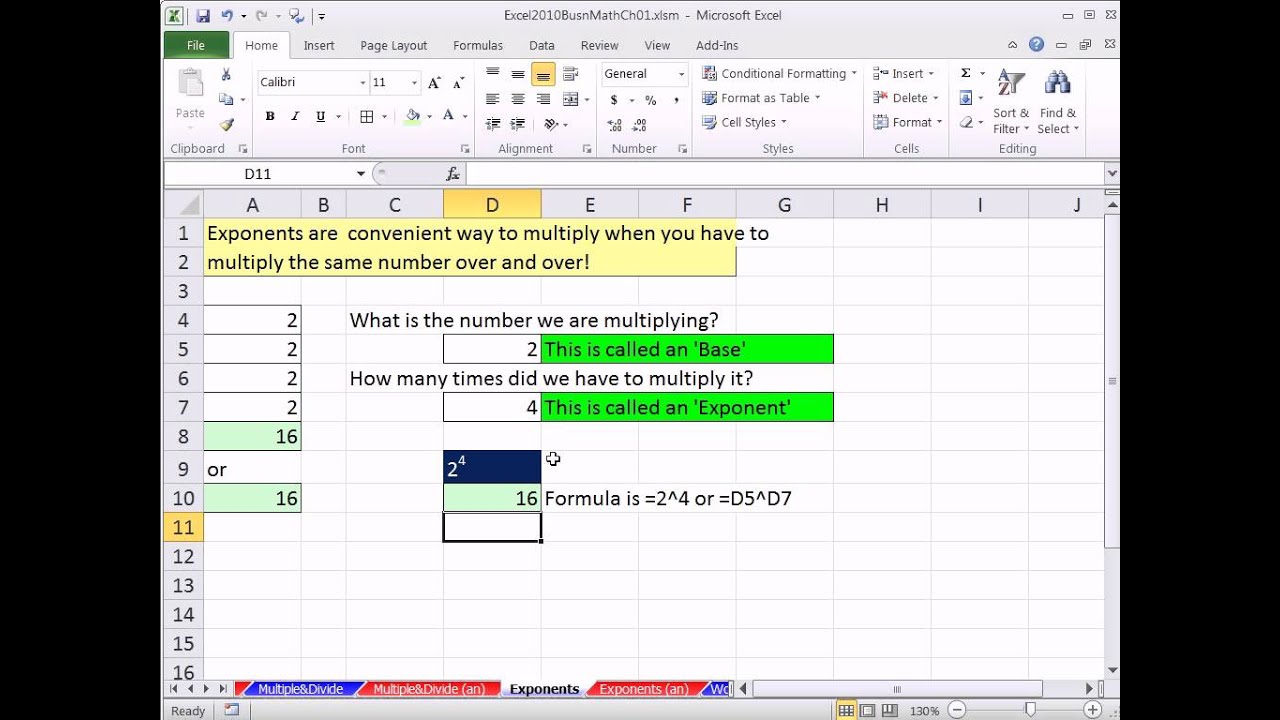
Excel 2010 Business Math 14 Exponents in Excel Formulas and Formatting
Related Post: