
Excel Pivot Count Distinct
Excel Pivot Count Distinct - How can i declare the following if condition properly? In the formula, e:\excel file\ is the full file path of the unopened workbook, test.xlsx is the name of the workbook, sheet2 is the sheet name which contains the cell value you need to reference. The dollar sign allows you to fix either the row, the column or both on any cell reference, by preceding the column or row with the dollar sign. If a1 = n/a then c1 = b1 else if a1 != n/a or has value(int) then c1 = a1*b1 To convert them into numbers 1 or 0, do some mathematical operation. I need help on my excel sheet. We use syncfusions essential xlsio to output values to an excel document which works great. But i can't figure out. Now excel will calculate regressions using both x 1 and x 2 at the same time: In a text about excel i have read the following: To solve this problem in excel, usually i would just type in the literal row number of the cell above, e.g., if i'm typing in cell a7, i would use the formula =a6. =sum(!b1:!k1) when defining a name for a cell and this was entered into the refers to field. In a text about excel i have read the following:. We use syncfusions essential xlsio to output values to an excel document which works great. If a1 = n/a then c1 = b1 else if a1 != n/a or has value(int) then c1 = a1*b1 Now excel will calculate regressions using both x 1 and x 2 at the same time: What is the best way of representing a datetime. In a text about excel i have read the following: To convert them into numbers 1 or 0, do some mathematical operation. What is the best way of representing a datetime in excel? =sum(!b1:!k1) when defining a name for a cell and this was entered into the refers to field. How to actually do it the impossibly tricky part there's. It would mean you can apply textual functions like left/right/mid on a conditional basis without. In your example you fix the column to b and. How can i declare the following if condition properly? Boolean values true and false in excel are treated as 1 and 0, but we need to convert them. Then if i copied that. What is the best way of representing a datetime in excel? In the formula, e:\excel file\ is the full file path of the unopened workbook, test.xlsx is the name of the workbook, sheet2 is the sheet name which contains the cell value you need to reference. Then if i copied that. To solve this problem in excel, usually i would. =sum(!b1:!k1) when defining a name for a cell and this was entered into the refers to field. But i can't figure out. In a text about excel i have read the following: How can i declare the following if condition properly? We use syncfusions essential xlsio to output values to an excel document which works great. =sum(!b1:!k1) when defining a name for a cell and this was entered into the refers to field. It would mean you can apply textual functions like left/right/mid on a conditional basis without. But i can't figure out. I need to parse an iso8601 date/time format with an included timezone (from an external source) in excel/vba, to a normal excel date.. It would mean you can apply textual functions like left/right/mid on a conditional basis without. I need to parse an iso8601 date/time format with an included timezone (from an external source) in excel/vba, to a normal excel date. In the formula, e:\excel file\ is the full file path of the unopened workbook, test.xlsx is the name of the workbook, sheet2. Now excel will calculate regressions using both x 1 and x 2 at the same time: How to actually do it the impossibly tricky part there's no obvious way to see the other regression. In your example you fix the column to b and. But i can't figure out. How can i declare the following if condition properly? To solve this problem in excel, usually i would just type in the literal row number of the cell above, e.g., if i'm typing in cell a7, i would use the formula =a6. How to actually do it the impossibly tricky part there's no obvious way to see the other regression. I need to parse an iso8601 date/time format with.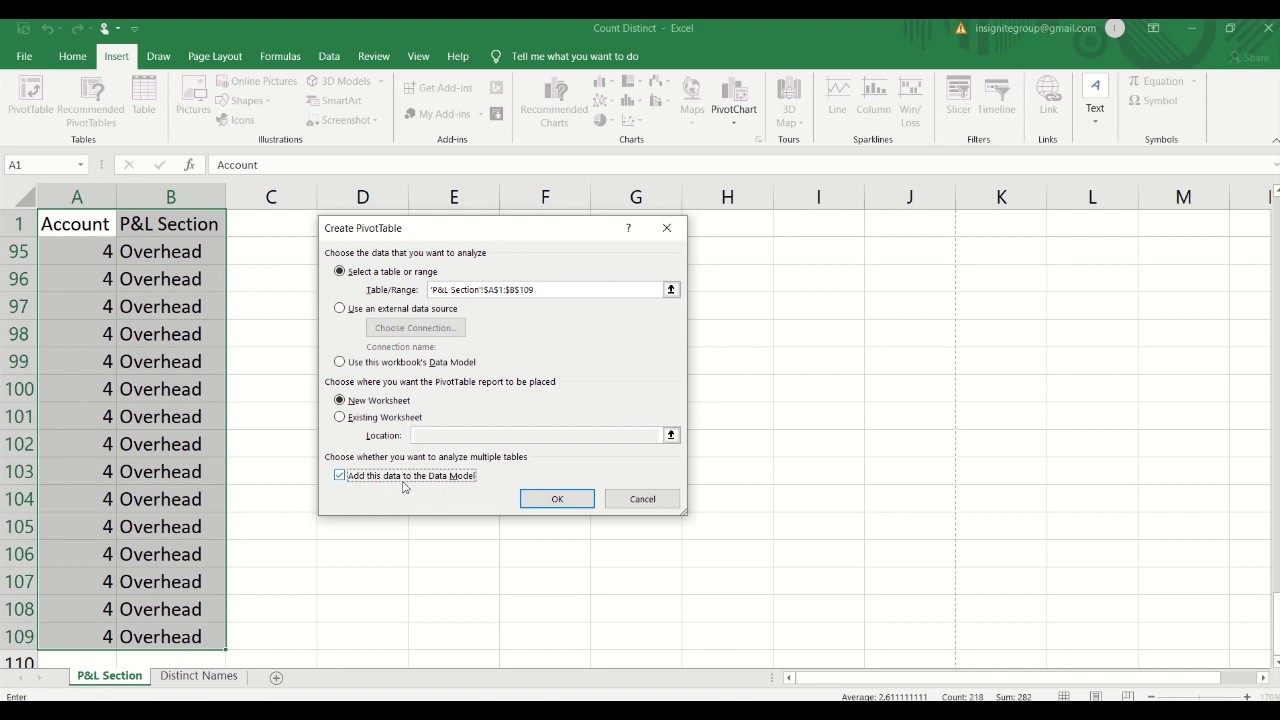
How To Use Count Distinct In An Excel Pivot Table Tutorial YouTube
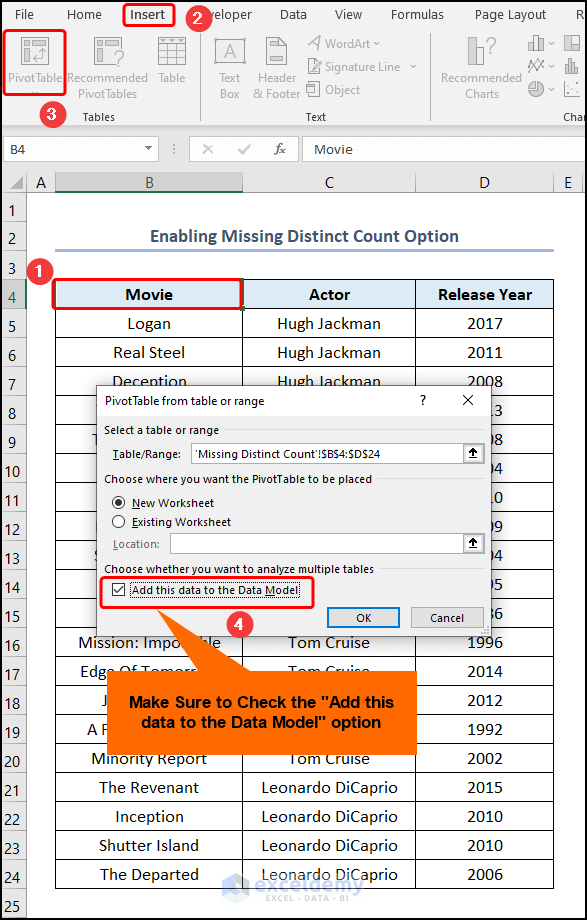
How to Count Unique Values Using Excel Pivot Table (3 Ways)
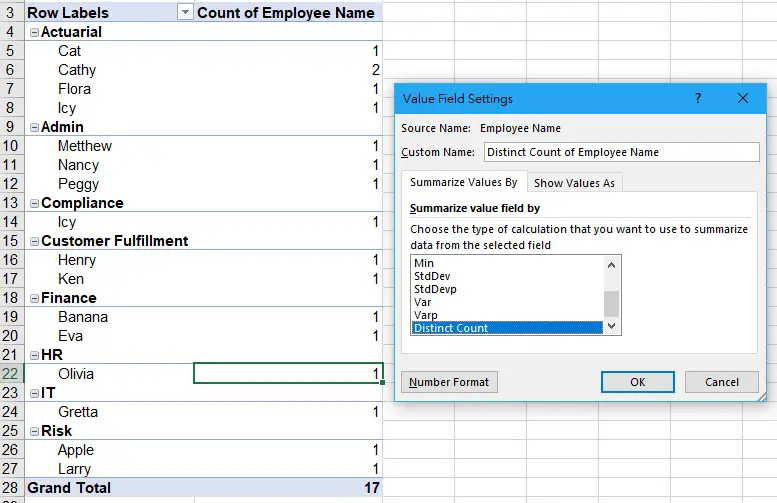
How To Add Distinct Count In Pivot Table Printable Templates
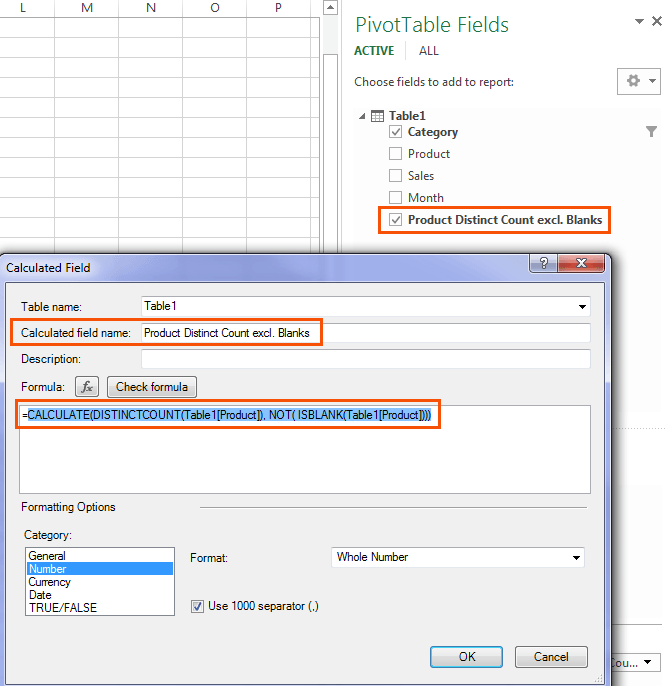
Excel PivotTable Distinct Count • My Online Training Hub
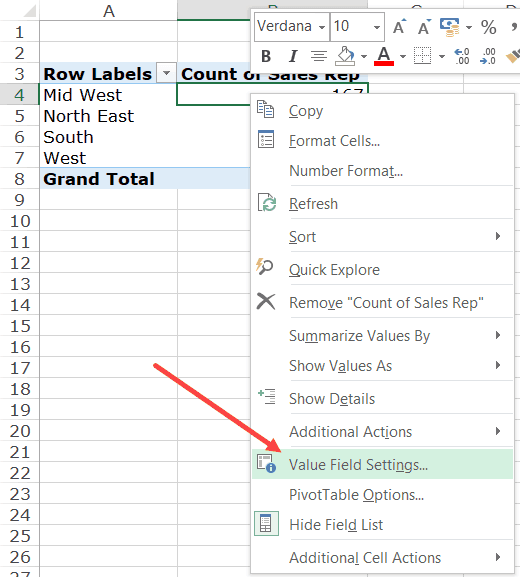
Count Distinct Values in Excel Pivot Table (Easy StepbyStep Guide)
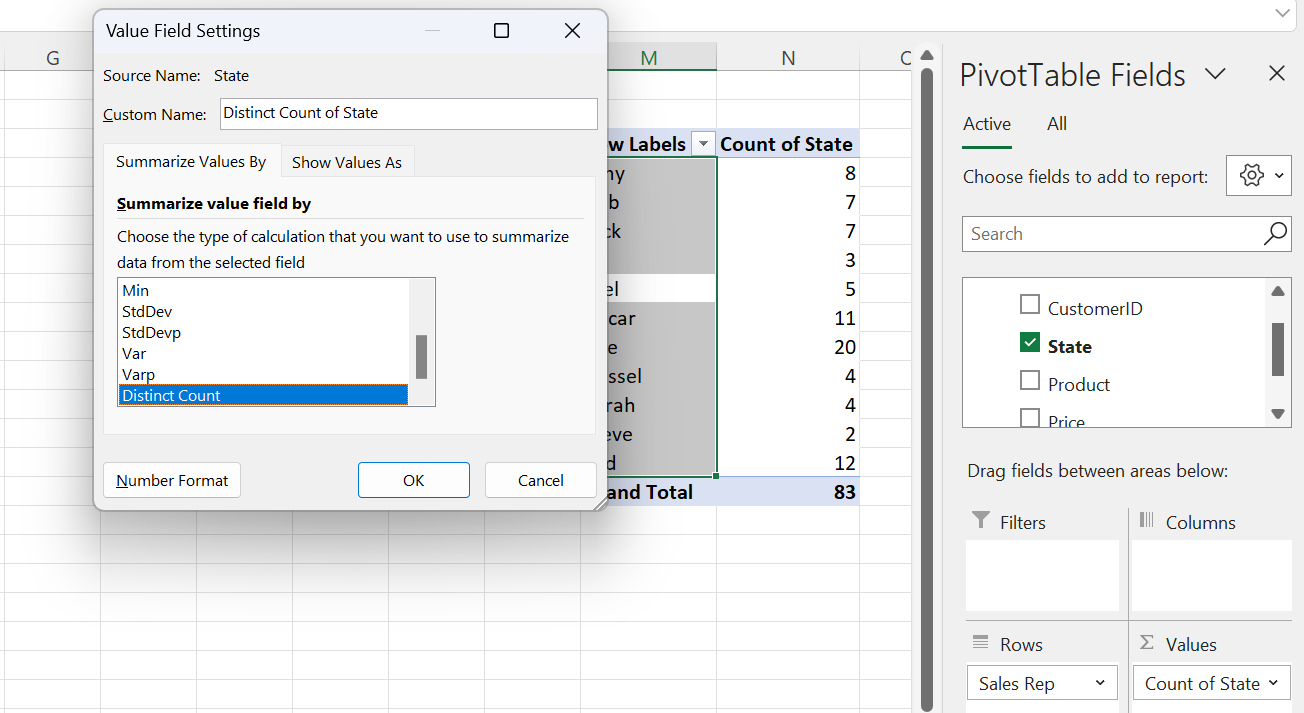
Count Unique in a Pivot Table Row Zero
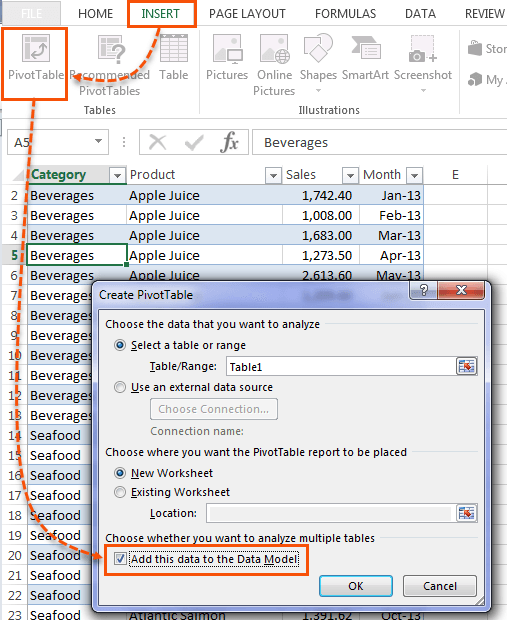
Excel PivotTable Distinct Count • My Online Training Hub
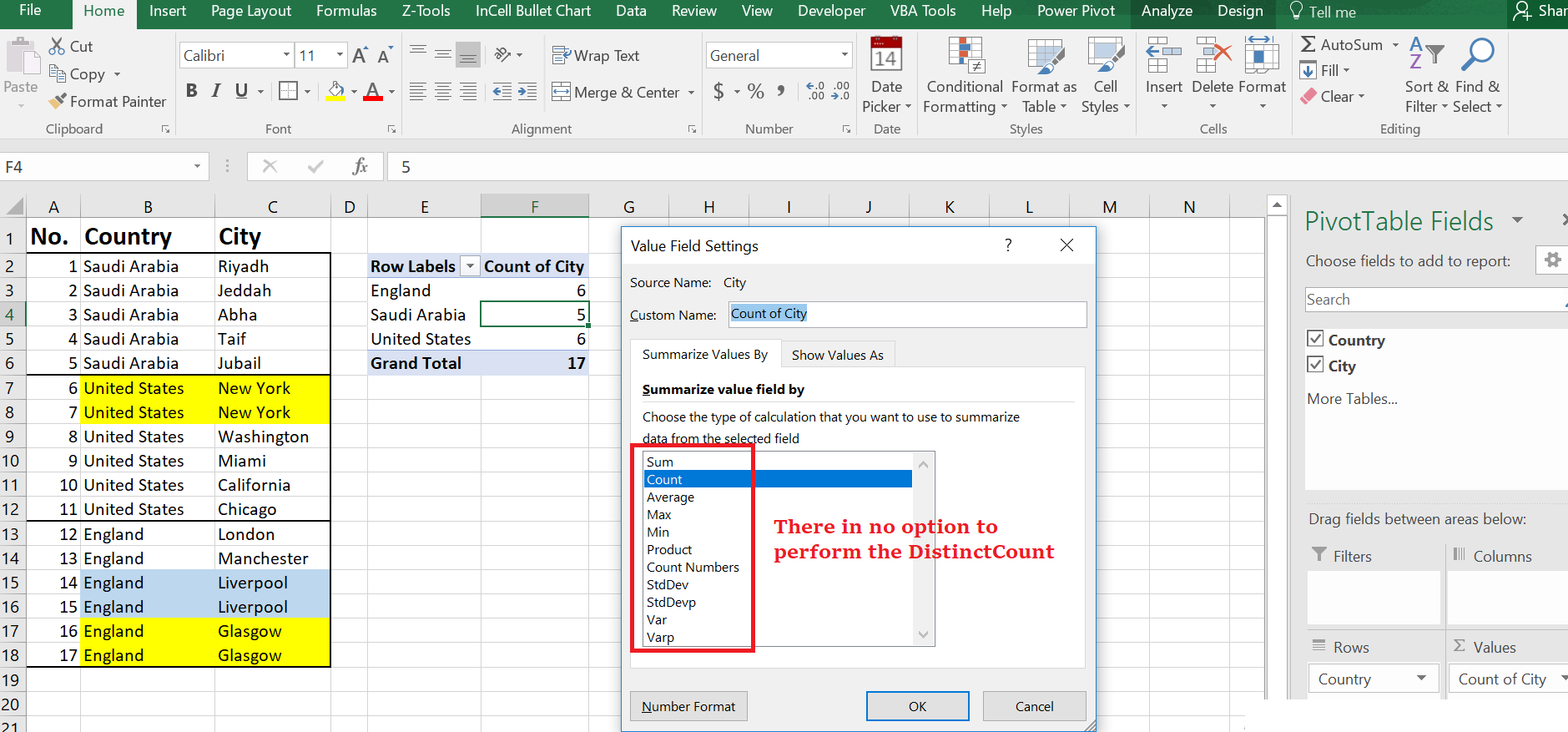
Formula For Distinct Count In Excel Pivot Printable Timeline Templates
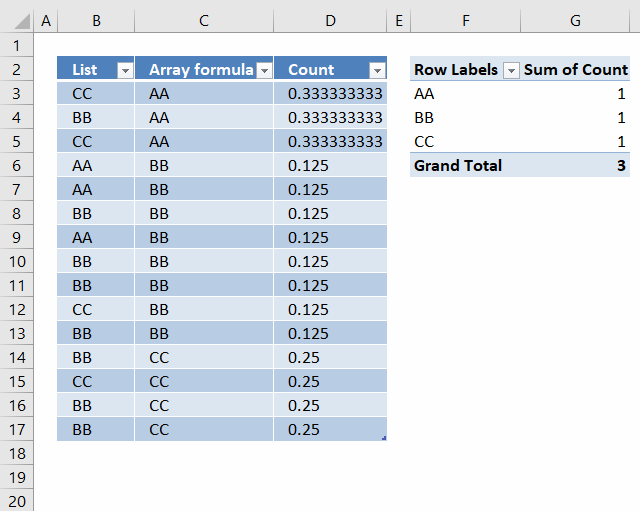
Count unique distinct values in an Excel Pivot Table

Count Distinct Values in Excel Pivot Table (2 Easy Ways)
Related Post: