
Dendrogram Excel
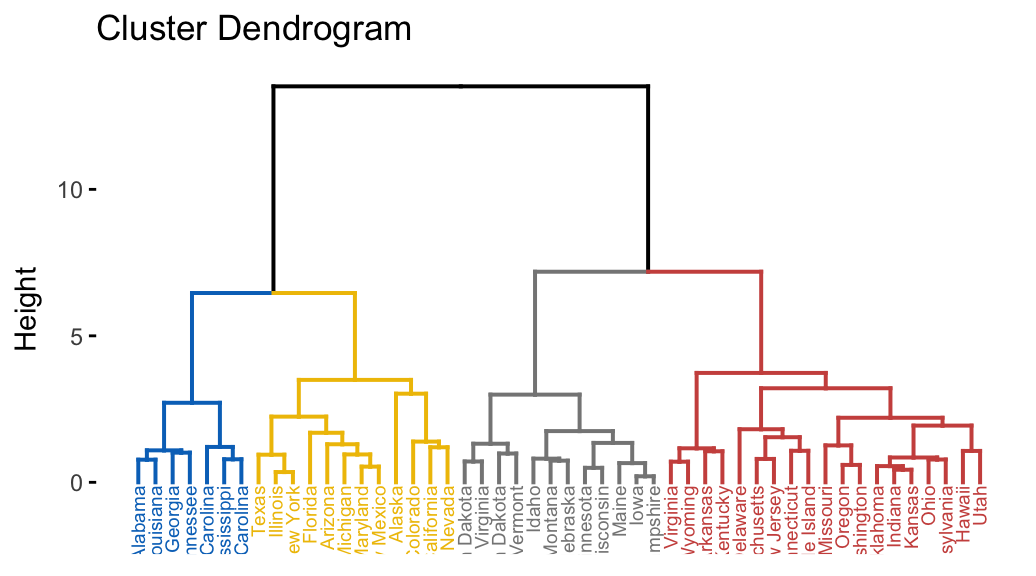
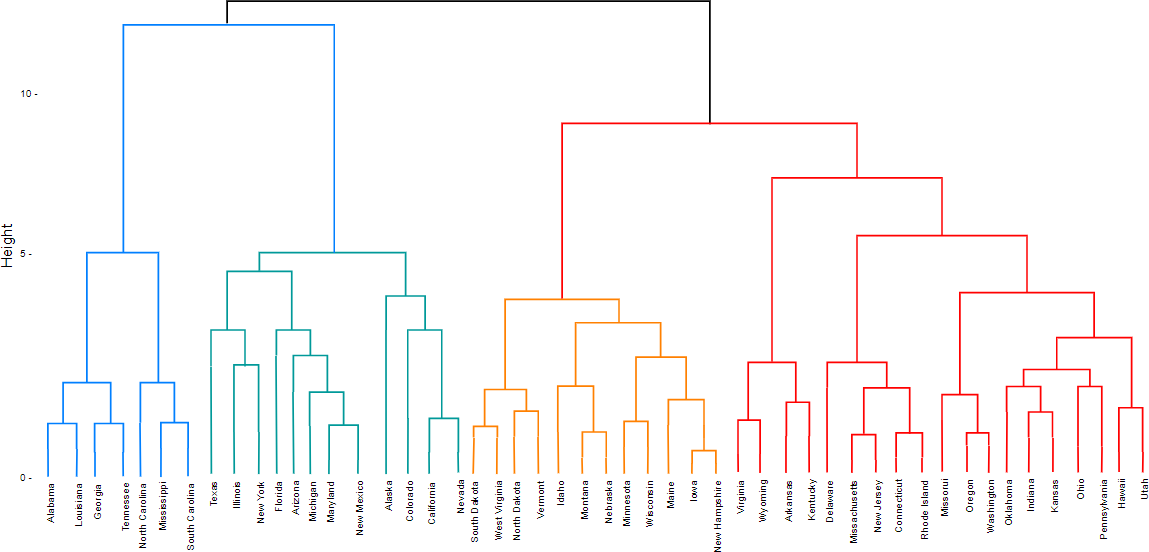
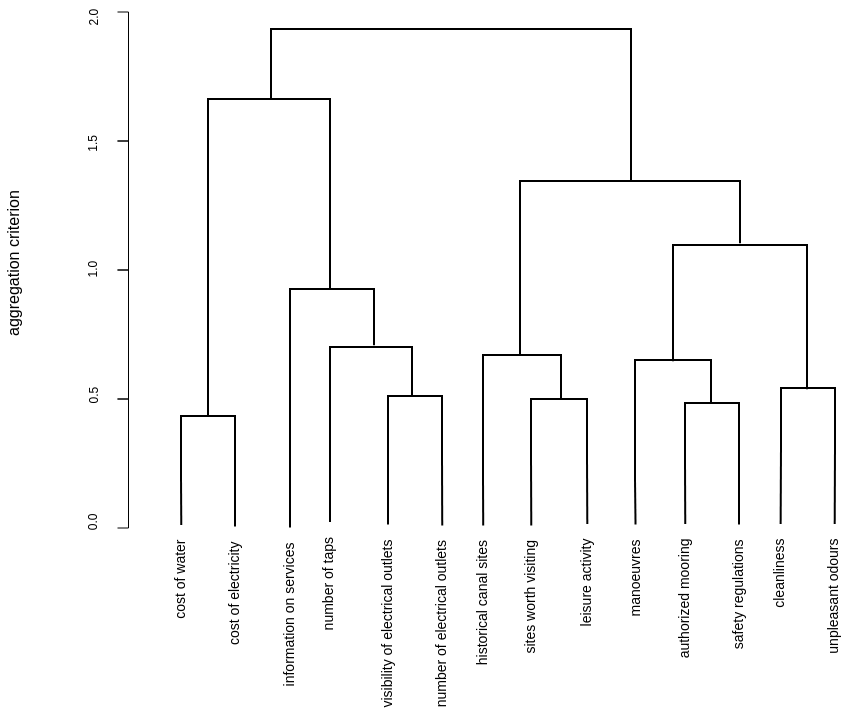
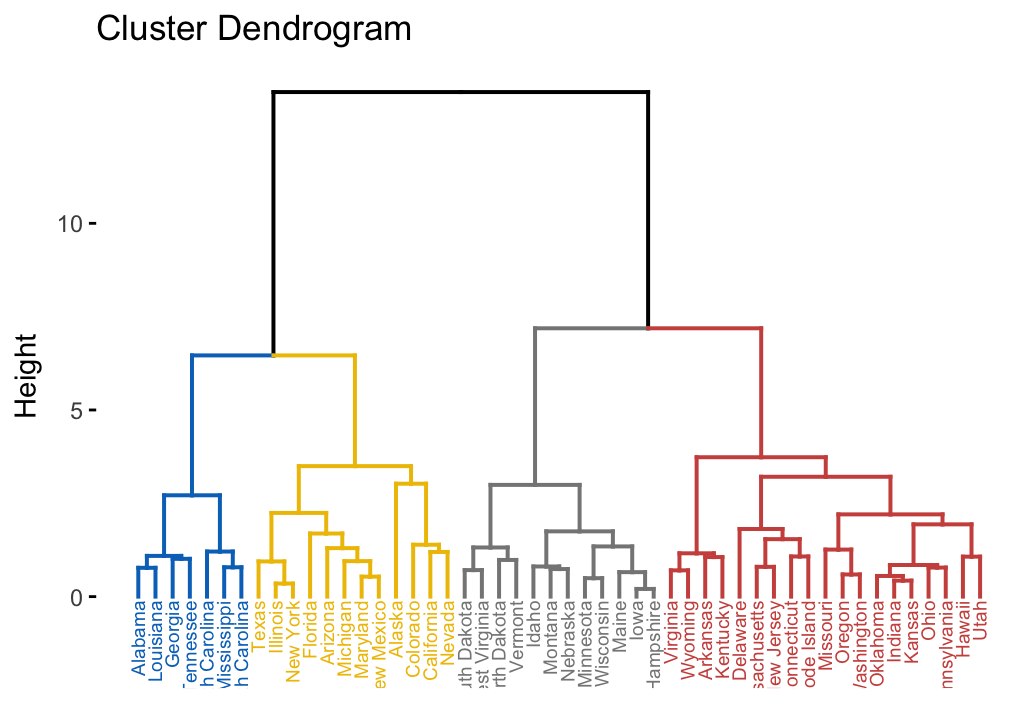
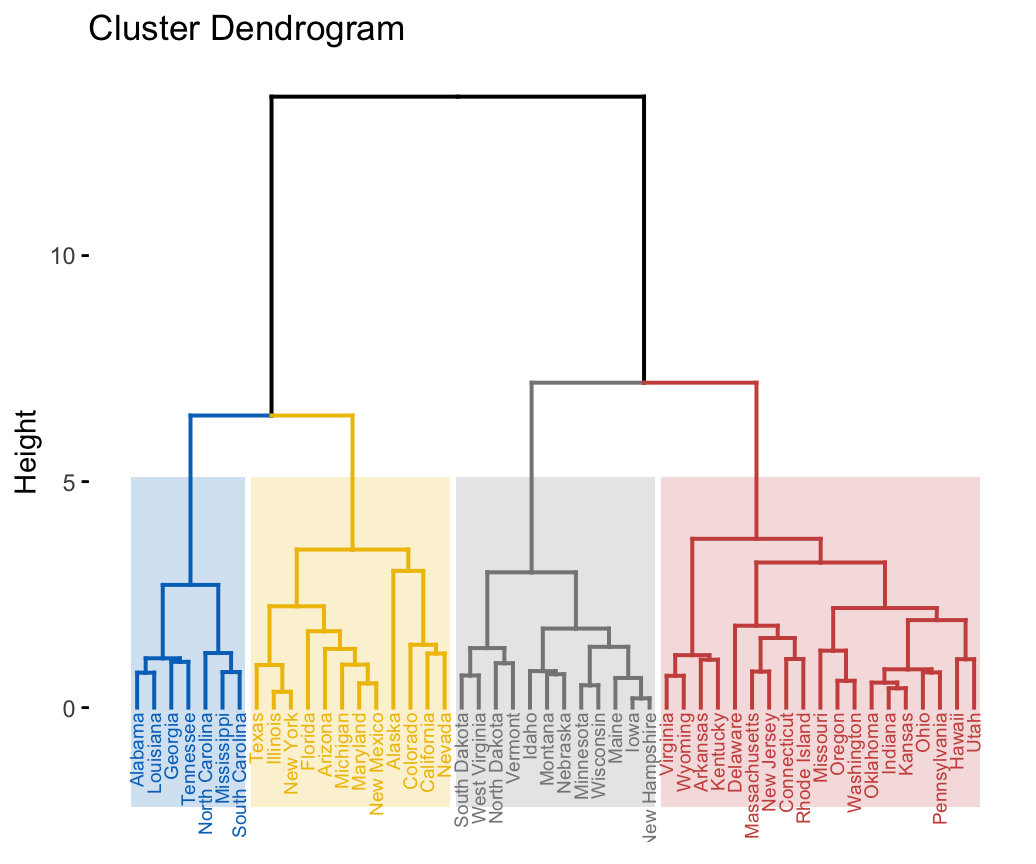
Dendrogram Excel - Is there a function in r that permits this? I used r to perform hac. Why is the top part of the second picture all red? In the first dendrogram we see three distinct colors, indicating clusters that has emerged at time t, then when t grows we have. By observing the dendrogram, i considered the possibility to split my data into 4 clusters, and i plotted using the function fviz_dend (): I've lately been reading about hierarchical clustering algorithms, and various discussions about how to interpret dendrograms or find optimal heights for cutting a dendrogram. I have dendrogram and a distance matrix. A static view of my plot looks like this: How would you pick where to cut the dendrogram? Cutting a dendrogram at a certain level gives a set of clusters. Is there a function in r that permits this? I used r to perform hac. Cutting at another level gives another set of clusters. I've lately been reading about hierarchical clustering algorithms, and various discussions about how to interpret dendrograms or find optimal heights for cutting a dendrogram. Cutting a dendrogram at a certain level gives a set of clusters. How can i interpret this?. Each joining (fusion) of two clusters is represented on the diagram by the splitting of a vertical line into two vertical. I have viewed this clustering with an interactive dendrogram, but i want to understand how to interpret this better. I used r to perform hac. By observing the dendrogram, i considered the possibility to. How would you pick where to cut the dendrogram? A static view of my plot looks like this: The vertical scale on the dendrogram represent the distance or dissimilarity. Now to turn the resultant dendrogram into. Why is the top part of the second picture all red? How would you pick where to cut the dendrogram? The vertical scale on the dendrogram represent the distance or dissimilarity. I have dendrogram and a distance matrix. In the first dendrogram we see three distinct colors, indicating clusters that has emerged at time t, then when t grows we have. Now to turn the resultant dendrogram into. Why is the top part of the second picture all red? I used r to perform hac. Cutting at another level gives another set of clusters. I've lately been reading about hierarchical clustering algorithms, and various discussions about how to interpret dendrograms or find optimal heights for cutting a dendrogram. I decided to turn to hierarchical agglomeration clustering since it. Cutting at another level gives another set of clusters. A static view of my plot looks like this: Now to turn the resultant dendrogram into. By observing the dendrogram, i considered the possibility to split my data into 4 clusters, and i plotted using the function fviz_dend (): Each joining (fusion) of two clusters is represented on the diagram by. Each joining (fusion) of two clusters is represented on the diagram by the splitting of a vertical line into two vertical. By observing the dendrogram, i considered the possibility to split my data into 4 clusters, and i plotted using the function fviz_dend (): I decided to turn to hierarchical agglomeration clustering since it doesn't require setting any parameters for. In the first dendrogram we see three distinct colors, indicating clusters that has emerged at time t, then when t grows we have. How can i interpret this?. Cutting at another level gives another set of clusters. I've lately been reading about hierarchical clustering algorithms, and various discussions about how to interpret dendrograms or find optimal heights for cutting a. In the first dendrogram we see three distinct colors, indicating clusters that has emerged at time t, then when t grows we have. How can i interpret this?. I decided to turn to hierarchical agglomeration clustering since it doesn't require setting any parameters for clustering. A static view of my plot looks like this: I've lately been reading about hierarchical. I have viewed this clustering with an interactive dendrogram, but i want to understand how to interpret this better. The vertical scale on the dendrogram represent the distance or dissimilarity. By observing the dendrogram, i considered the possibility to split my data into 4 clusters, and i plotted using the function fviz_dend (): I decided to turn to hierarchical agglomeration.
Dendrogram The Ultimate Guide to Organizing Data Visually Visual
Visualizing Dendrograms Ultimate Guide Articles STHDA
Dendrogram and Distance Cluster Analysis Dendrogram Template
What is Dendrogram?

Hierarchical cluster analysis with dendrogram visualization by Centroid
![[FIXED] How to draw colored rectangles around grouped clusters in](https://www.datanovia.com/en/wp-content/uploads/dn-tutorials/003-hierarchical-clustering-in-r/figures/005-visualizing-dendrograms-cutree-1.png)
[FIXED] How to draw colored rectangles around grouped clusters in

Advanced Graphs Using Excel Plotting Dendogram of Cluster analysis
Dendrogram and Distance Cluster Analysis Dendrogram Template
Visualizing Dendrograms Ultimate Guide Articles STHDA
Practical Guide to Cluster Analysis in R Datanovia
Related Post: