
Conditional Formatting In Excel
Conditional Formatting In Excel - This rule uses a formula to determine whether a row is even or odd. Next, select the “ use a formula to determine which cells to format ” option, enter your formula and apply the format of. You can use conditional formatting to highlight cells that contain values that meet a certain condition, or format a whole cell range and vary the exact format as the value of each cell varies. Select the cells you want to check for. To edit the conditional formatting rule, click one of the cells that has the rule applied, go to home > conditional formatting > manage rules > edit rule, and then make your changes. How to use conditional formatting in excel to visually explore, analyze, and identify patterns and trends. You can use the and, or, not, and if functions to create. Use conditional formatting to find and highlight duplicate data. Select the number, font, border, or fill format that you want to apply when the cell value satisfies the condition, and then select ok. For example, format blank cells, or see which salespeople are selling above average, or track who. You can use the and, or, not, and if functions to create. This rule uses a formula to determine whether a row is even or odd. Select the cells you want to check for. You can choose more than one format. Testing whether conditions are true or false and making logical comparisons between expressions are common to many tasks. For example, format blank cells, or see which salespeople are selling above average, or track who. There are several ways to hide error values and error. One way to apply shading to alternate rows or columns in your worksheet is by creating a conditional formatting rule. This rule uses a formula to determine whether a row is even or odd.. One way to apply shading to alternate rows or columns in your worksheet is by creating a conditional formatting rule. Select the cells you want to check for. To edit the conditional formatting rule, click one of the cells that has the rule applied, go to home > conditional formatting > manage rules > edit rule, and then make your. You can use the and, or, not, and if functions to create. Use conditional formatting to find and highlight duplicate data. When your formulas have errors that you anticipate and don't need to correct, but you want to improve the display of your results. To edit the conditional formatting rule, click one of the cells that has the rule applied,. Select the number, font, border, or fill format that you want to apply when the cell value satisfies the condition, and then select ok. To edit the conditional formatting rule, click one of the cells that has the rule applied, go to home > conditional formatting > manage rules > edit rule, and then make your changes. Use conditional formatting. When your formulas have errors that you anticipate and don't need to correct, but you want to improve the display of your results. For example, format blank cells, or see which salespeople are selling above average, or track who. There are several ways to hide error values and error. That way you can review the duplicates and decide if you. Select the cells you want to check for. Use conditional formatting to find and highlight duplicate data. You can use the and, or, not, and if functions to create. In excel, from the home tab, click conditional formatting > new rule. There are several ways to hide error values and error. Select the number, font, border, or fill format that you want to apply when the cell value satisfies the condition, and then select ok. This rule uses a formula to determine whether a row is even or odd. When your formulas have errors that you anticipate and don't need to correct, but you want to improve the display of your. You can choose more than one format. Use conditional formatting to find and highlight duplicate data. How to use conditional formatting in excel to visually explore, analyze, and identify patterns and trends. Select the cells you want to check for. For example, format blank cells, or see which salespeople are selling above average, or track who. Select the cells you want to check for. When your formulas have errors that you anticipate and don't need to correct, but you want to improve the display of your results. Use conditional formatting to find and highlight duplicate data. In excel, from the home tab, click conditional formatting > new rule. One way to apply shading to alternate rows.![Conditional Formatting in Excel [A HowTo Guide]](https://dpbnri2zg3lc2.cloudfront.net/en/wp-content/uploads/old-blog-uploads/equal-to.png)
Conditional Formatting in Excel [A HowTo Guide]
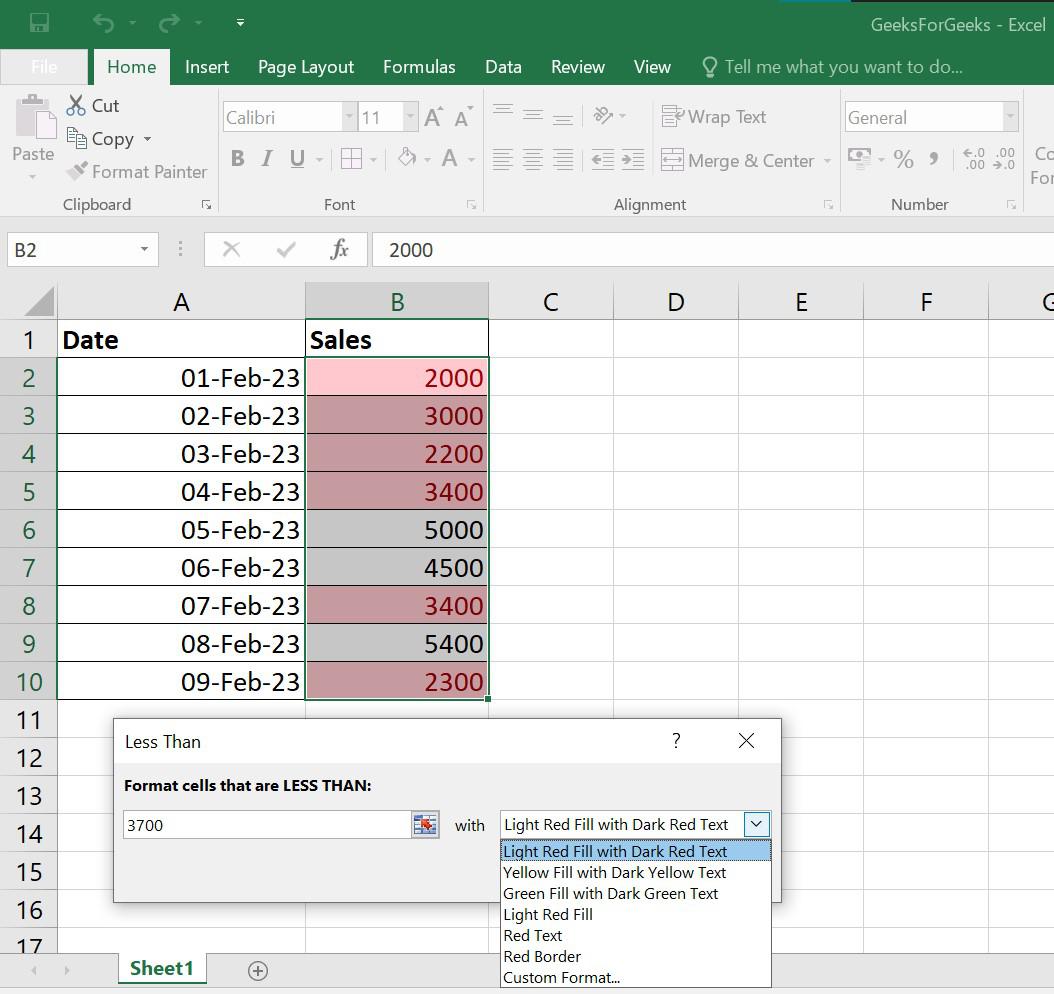
Excel Conditional Formatting (with Examples)

Conditional Formatting in Excel The Complete Guide Layer Blog
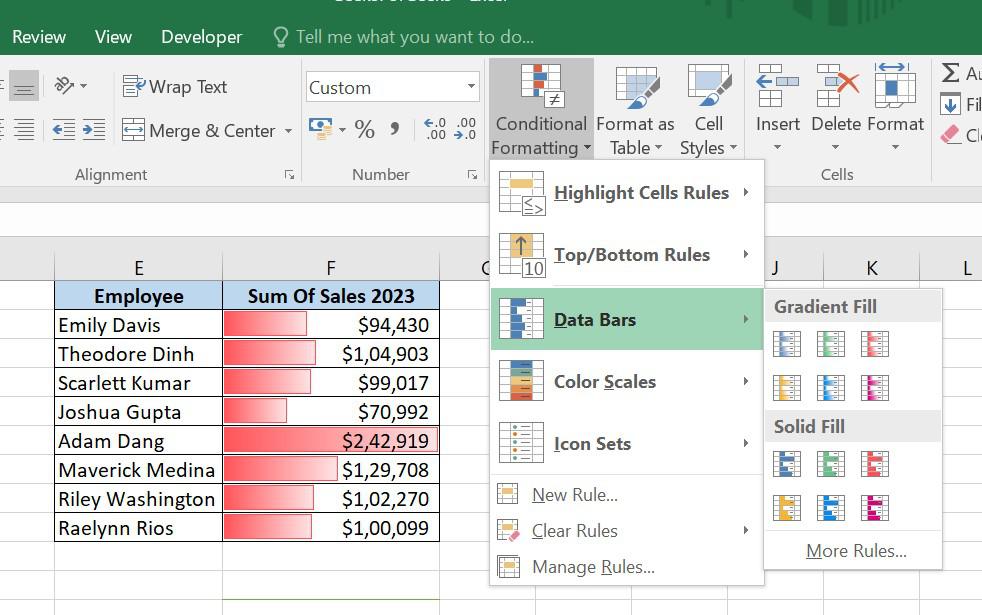
Excel Conditional Formatting (with Examples)
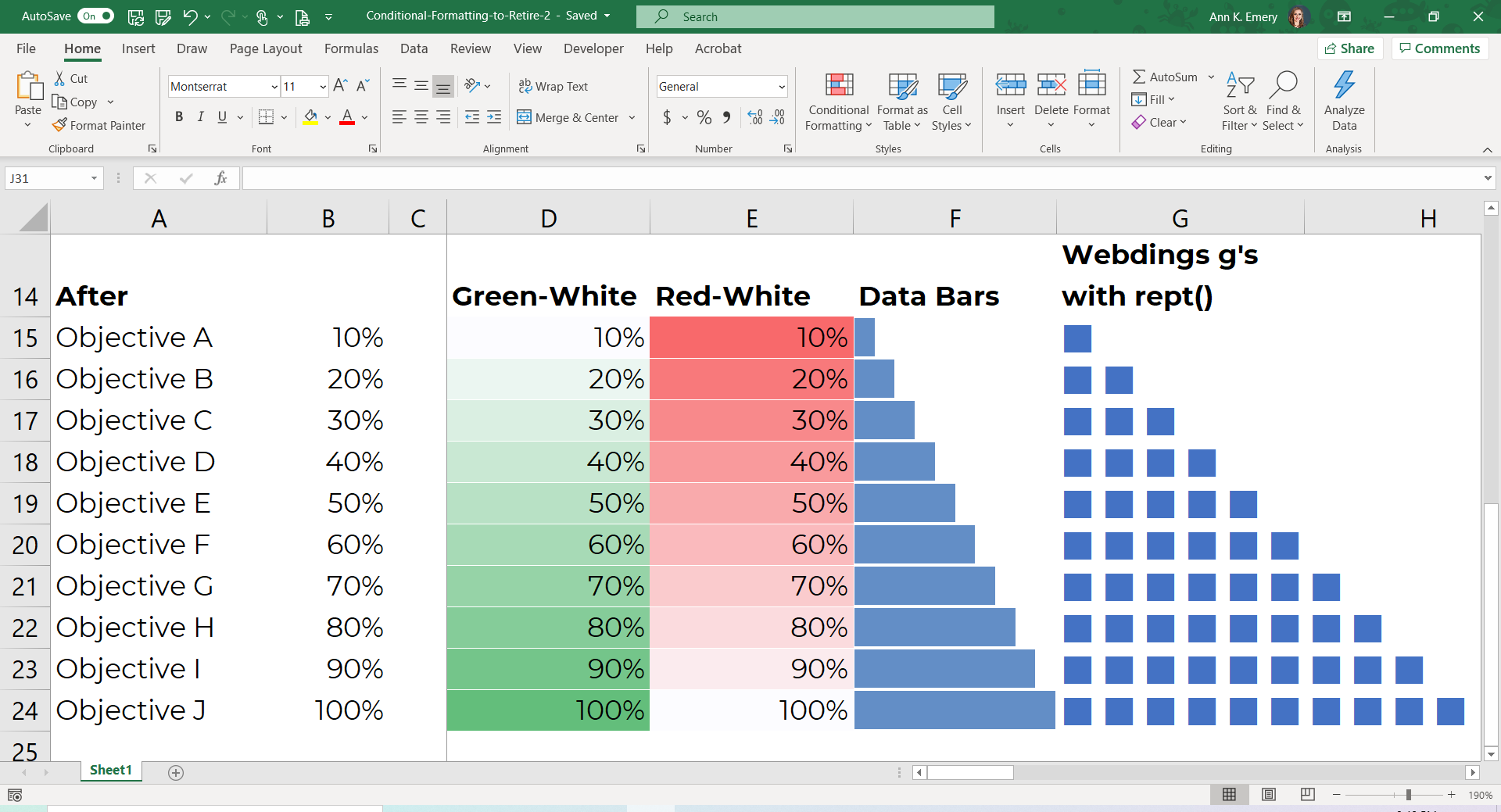
Conditional Formatting Charts In Excel Riset
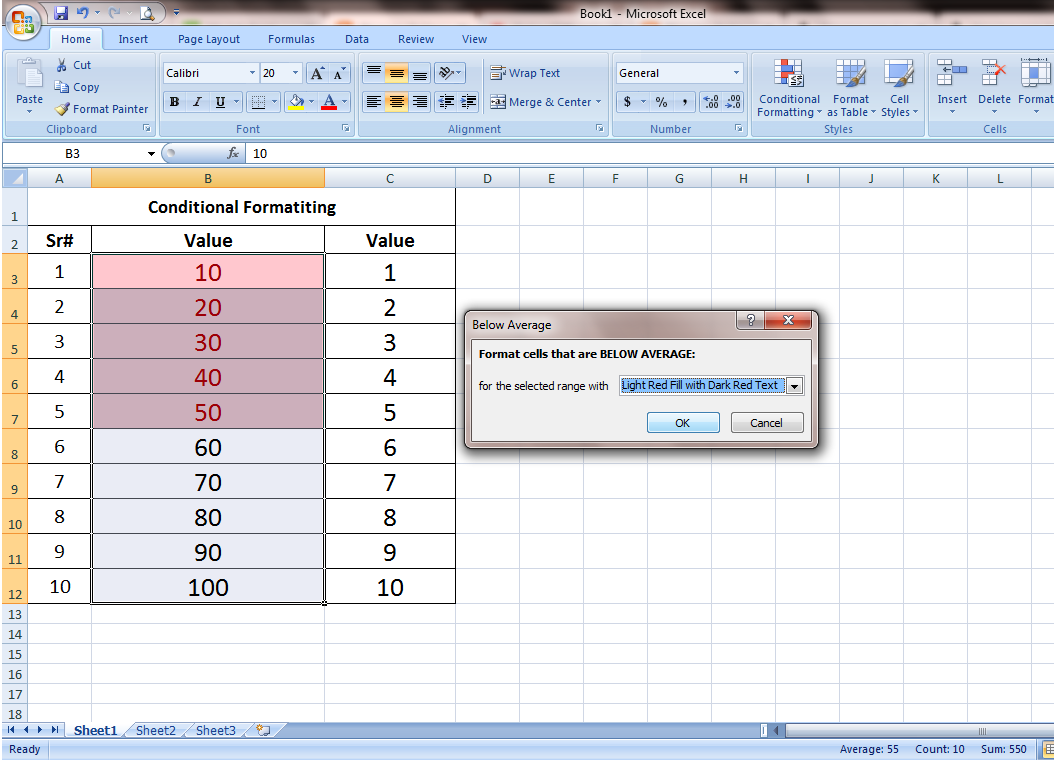
Conditional Formatting In Excel Charts How To Create A Chart
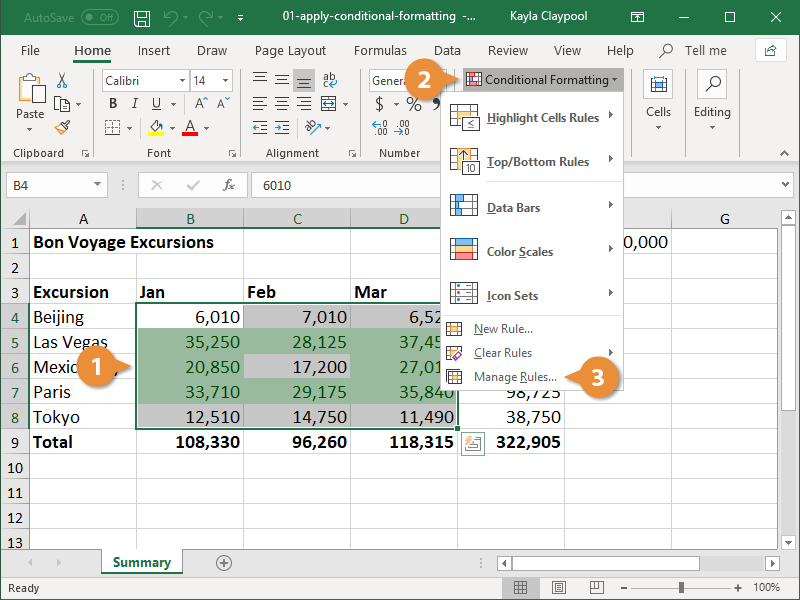
Excel Conditional Formatting CustomGuide
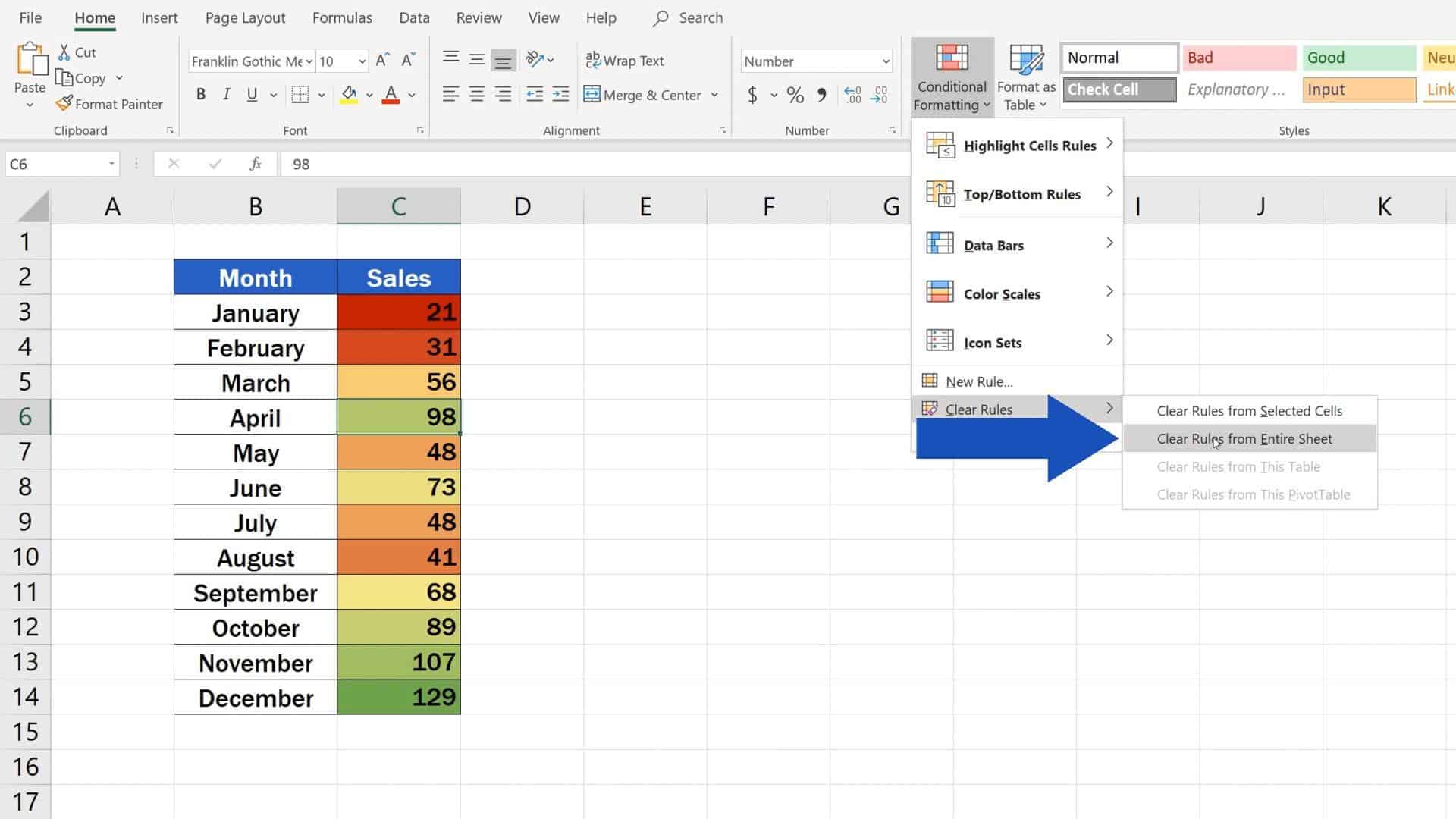
Formato Condicional Excel

Conditional Formatting Microsoft Excel

Conditional Formatting Microsoft Excel
Related Post: